





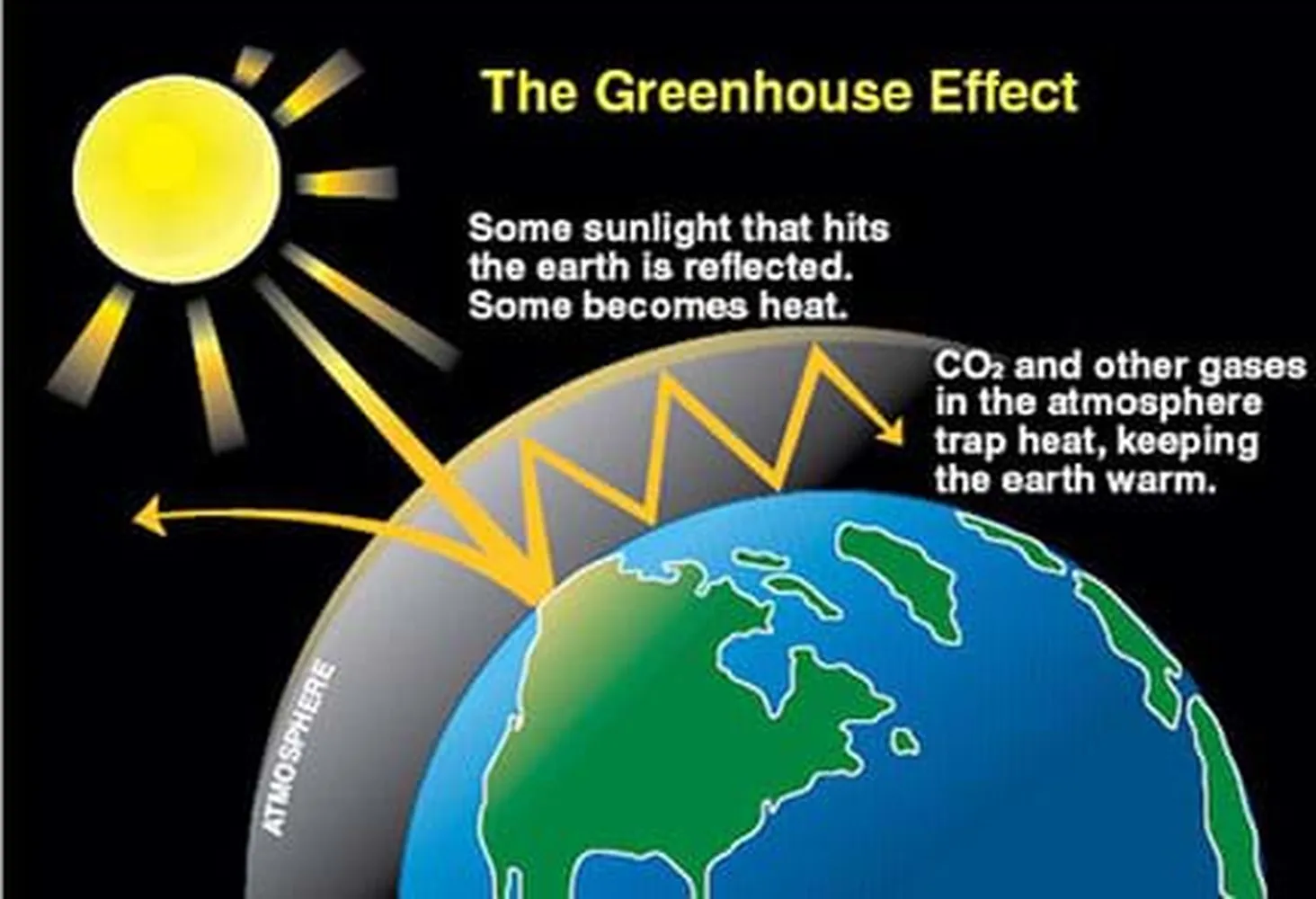
Teaching young minds about our environment can feel challenging, but knowing how to explain the greenhouse effect to a child doesn't have to be complicated. By using everyday objects, friendly stories, and fun analogies, you can transform a complex scientific topic into an exciting learning adventure. Kids are naturally curious about nature, weather, and the world around them. Giving them a clear picture of how our atmosphere functions helps build an early love for science and environmental care.
To spark their curiosity further, you can combine this topic with other interactive backyard weather lessons. For example, learning how to make a DIY rain gauge for school projects gives children a physical tool to measure the local climate while they explore broader global warming topics.
The Blanket Analogy: The Earth's Cozy Layer
The easiest way to introduce this concept is to talk about something every child knows well: a bedtime blanket. Imagine the planet Earth is snuggled up in bed, and the air surrounding our world acts like a big, soft blanket wrapping around it.
When the sun shines during the daytime, its warm rays pass straight through this blanket to warm up the land, oceans, and trees. When the sun goes down at night, the Earth tries to send some of that warmth back out into cold space. However, our special atmosphere blanket traps just enough heat to keep us safe, cozy, and alive. Without this protective layer, our entire world would drop to a freezing average temperature of around -18 degrees Celsius (0 degrees Fahrenheit), turning the planet into a giant ice ball!
The Warm Car Example: A Real-Life Demonstration
Another perfect method for how to explain the greenhouse effect to a child is using a parked car on a bright sunny day. Children have likely noticed how warm a car gets inside when left out in a parking lot.
- The Windows: The clear glass allows the bright sunshine to flow inside easily.
- The Seats: The dashboard and dark fabric seats soak up the light and heat up.
- The Trapped Warmth: The heat bouncing off the seats cannot easily travel back out through the solid glass windows, making the interior much warmer than the fresh air outside.
You can explain that greenhouses used for growing flowers and delicious vegetables work exactly the same way. The glass walls let light inside but stop the heat from running away, which keeps tropical plants happy even during frosty winter months.
Good vs. Bad Greenhouse Effect
It is important to emphasize to kids that the greenhouse effect itself is a wonderful thing. The problem occurs when humans inadvertently make that planetary blanket too heavy. When we burn a lot of coal for electricity, use gas in big trucks, or clear away large forests, we release extra gases into the air.
Adding these extra gases is just like throwing a second or third heavy wool blanket over the Earth. If you lie under too many heavy blankets in bed, you will quickly start to feel sweaty, uncomfortable, and overheated. This process is exactly what happens with global warming. As our global blanket thickens, it holds onto too much heat, causing glaciers to melt and changing global weather patterns. To track these changes visually, families can learn how to predict rain by looking at cloud formations or find out how to read a barometer to predict weather changes right from home.
Meet the Greenhouse Gases
To give children qualitative and true quantitative data, you can introduce them to the main gases responsible for trapping heat. Keep the column structure simple so it displays nicely on mobile screens without horizontal page shaking.
| Gas Name | Where It Comes From | Impact Level |
|---|---|---|
| Water Vapor | Evaporated ocean water and soft clouds | Natural & High |
| Carbon Dioxide | Car exhaust, breathing, campfire smoke | Human-made Rise |
| Methane | Cows digesting food and organic landfills | Very Strong |
According to official environmental data from organizations like NASA, carbon dioxide levels have risen significantly over the past century due to human industry. Sharing these direct, simple facts helps children understand why keeping our air clean matters so much for the future of our wildlife.
Fun Ways Kids Can Help the Earth
After understanding the science, kids often feel inspired to help out. You can guide that great energy into easy, positive daily habits to decrease carbon emissions. For a deeper look, check out our guide on how to reduce your carbon footprint to fight climate change. Here are simple actions to start with:
- The Light Switch Patrol: Make it a fun game to turn off bedroom lights and electronics when leaving a room.
- Plant a Little Seed: Grow small flowers or trees in the garden. Plants breathe in carbon dioxide and give us clean oxygen back.
- Pedal and Walk: Ride bikes, use scooters, or walk to nearby parks instead of riding in a car for every single errand.
- Save Every Drop: Turn off running sink water while brushing teeth to save energy at the local water plant.
Frequently Asked Questions On How to Explain the Greenhouse Effect to a Child
What is the greenhouse effect in simple terms for kids?
It is a natural system where gases in the Earth's atmosphere act like a cozy blanket, trapping the sun's warmth to keep our planet at a safe temperature for living things.
Is the greenhouse effect always bad?
No, it is actually wonderful and necessary! Without it, Earth would be a frozen desert. It only becomes bad when human pollution makes the blanket too thick, trapping too much heat.
How does carbon dioxide act like glass?
Just like the glass windows of a greenhouse, carbon dioxide lets the sun's bright light shine straight through, but it stops the resulting invisible heat from escaping back out.
Conclusion: Empowering the Next Generation
Mastering how to explain the greenhouse effect to a child boils down to replacing intimidation with imagination. When children visualize a protective atmospheric blanket, they immediately grasp why we must protect it from becoming too heavy. Pairing these simple discussions with home science tracking, such as discovering how to measure humidity levels inside your house, nurtures conscious citizens who appreciate and protect our beautiful planet.