





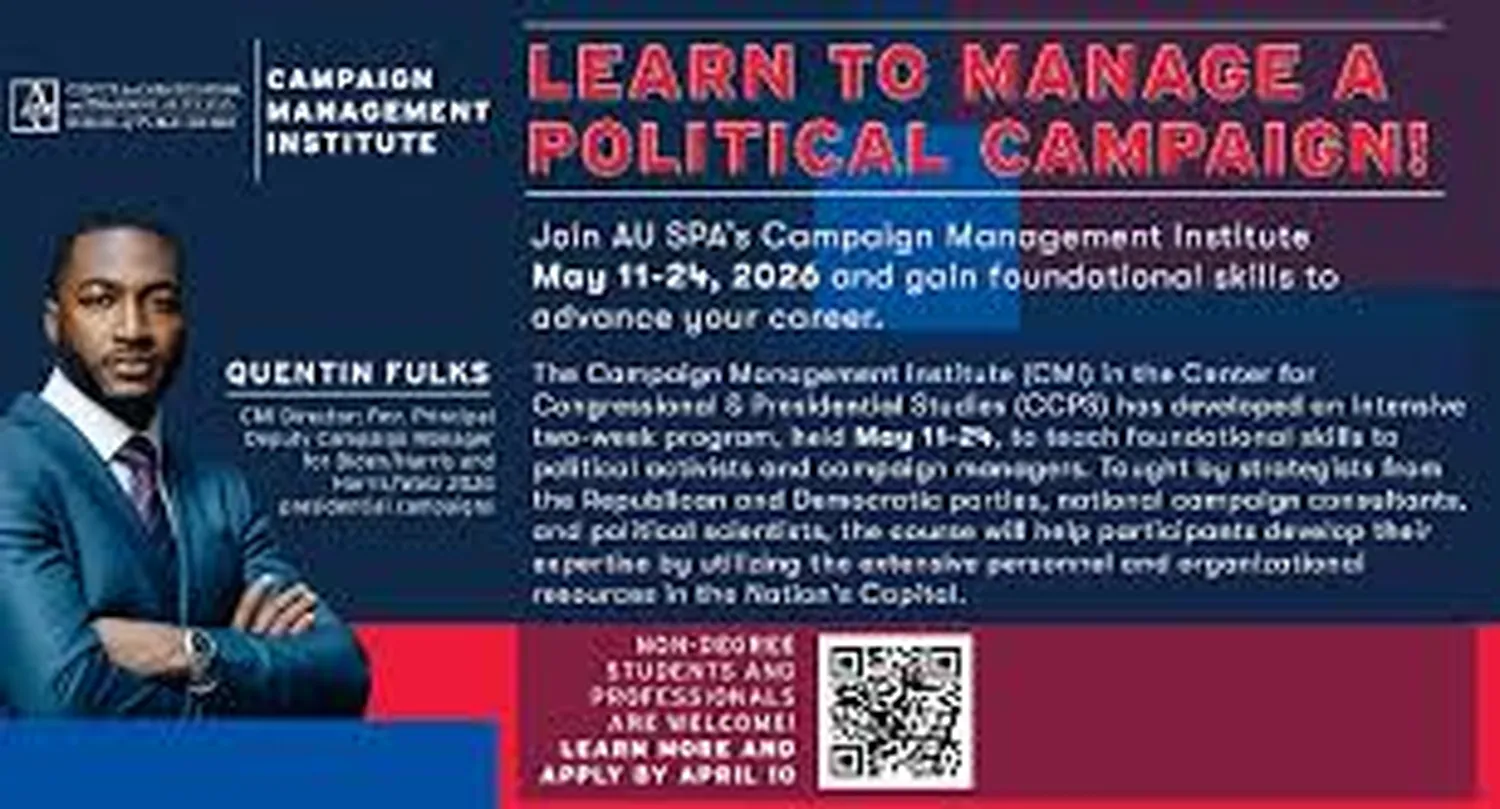
Stepping into the world of electoral politics requires grit, strategic thinking, and unparalleled organization. If you want to know how to become a political campaign manager, you need to understand that this role sits at the intersection of leadership, public relations, and data science. A campaign manager is the ultimate chief executive of a candidate’s bid for office, orchestrating everything from budget allocations to media relations. This extensive guide provides a step-by-step career path, core skill assessments, and modern tactics required to win elections.
What Does a Political Campaign Manager Do?
Before launching your career, it is crucial to recognize the immense scope of responsibilities involved. A political campaign manager oversees the entire machinery of an election effort. They draft the strategic plan, hire staff, handle polling data, and ensure compliance with strict election regulations overseen by institutions like the Federal Election Commission (FEC).
Whether helping a candidate learn how to register as an independent voter or shifting messaging after voters decide to how to change political party affiliation, the manager keeps the ship moving forward. They serve as the buffer between the public, the candidate, and the press corps.
Step-by-Step Guide to Becoming a Political Campaign Manager
Breaking into this competitive market relies heavily on a mix of structured positioning and real-world results. Follow these critical steps to ascend the ranks:
1. Secure a Foundation in Higher Education
While an advanced degree isn't always mandatory, a Bachelor’s degree in Political Science, Communications, Public Relations, or Business Administration provides a competitive advantage. Courses in statistics, public speaking, and crisis management prove immensely helpful when navigating live political high-stakes situations.
2. Start at the Grassroots Level
No one starts their political career managing a multi-million dollar Senate race. You must learn the ropes by volunteering. Reach out to local municipal candidates or county party headquarters. Knock on doors, make phone calls, and assist with voter registration drives. This direct contact with the public teaches you voter psychology better than any textbook ever could.
3. Master Specialized Campaign Operations
After gaining volunteer experience, target entry-level paid staff positions. Learn how to optimize specific operations within the campaign ecosystem:
- Field Organizing: Managing direct voter contact teams and tracking localized metrics.
- Communications: Writing press releases, drafting speeches, and understanding how to spot fake news in political campaigns to protect your candidate's image.
- Finance & Fundraising: Organizing high-donor dinners, compliance tracking, and direct email solicitations.
4. Take the Lead on Local Races
Once you understand how the individual gears spin, offer your services as a campaign manager for a local race. School board memberships, city councils, and mayoral bids are perfect testing grounds. Managing these operations gives you complete accountability over smaller budgets before stepping onto larger stages.
Essential Skills for Campaign Success
To differentiate yourself from other operatives, you must possess a versatile toolset. Modern campaign managers are highly analytical data stewards who understand digital environments.
You must understand voter trends and have an ear to the ground. For instance, knowing how to vote in US midterm elections dynamically shapes turnout strategies in non-presidential cycles. Additionally, knowing how to contact your congressman directly allows managers to network efficiently with current officeholders for endorsements and coalition building.
Campaign Management Salary & Outlook Data
Political campaign management compensation fluctuates dynamically based on geographical location, campaign tier, and total fundraising power. The table below outlines typical salary structures seen in modern political environments:
| Campaign Level | Average Monthly Pay | Primary Focus |
|---|---|---|
| Local (City / Town) | $3,500 – $5,500 | Grassroots & Local Events |
| State Legislature | $5,000 – $8,000 | Targeted Mail & Canvassing |
| Federal (US House / Senate) | $8,500 – $15,000+ | Mass Media & Major Super PACs |
Frequently Asked Questions (FAQs)
Do you need a degree to become a political campaign manager?
No, a formal degree is not strictly required. While degrees in fields like political science give a structural foundation, campaigns heavily value practical field experience, wins, and operational execution capabilities above diplomas.
What is the hardest part of managing a political campaign?
Crisis management and extreme hours represent the toughest parts of the job. Managers must stay composed during fast-moving press cycles and manage high-stress environments under tight operational deadlines.
How do campaign managers find employment between cycles?
Many campaign managers transition into political consulting firms, public relations agencies, lobbying groups, or corporate communications during off-election years to maintain steady income.
Conclusion: Drive the Future of Political Campaigns
Figuring out how to become a political campaign manager is an exciting process that demands unwavering commitment, analytical skill, and deep tactical awareness. By climbing up from foundational grassroots volunteer slots, establishing exceptional networking channels, and showing a reliable ability to execute data-driven plans, you position yourself as an essential political asset. The road is intense, but few career milestones match the high of watching your candidate cross the finish line victorious on election night.