





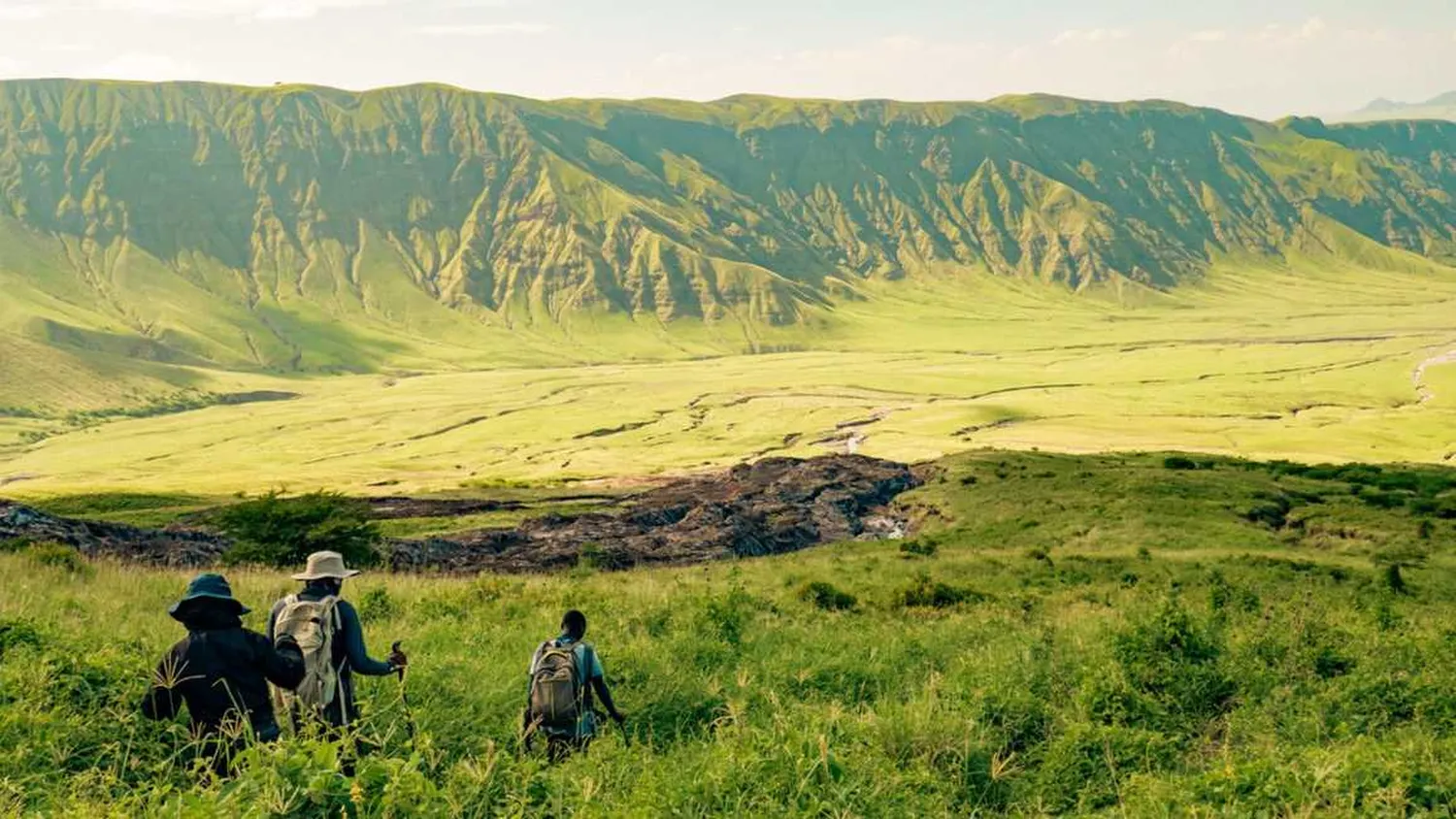
Mastering how to visit Ngorongoro Crater tourist attractions on a budget is an essential objective for international backpackers and pragmatic holidaymakers aiming to explore Northern Tanzania without straining their financial limits. The caldera remains a highly sought-after ecosystem packed with over 25,000 large mammals, including the rare black rhinoceros. However, unmanaged bookings often result in bloated trip bills due to premium lodging pricing and fixed overhead costs. This operational guide clarifies how to systematically eliminate wasteful spending while enjoying a premier wildlife observation experience.
1. Understanding Mandatory Ngorongoro Entry Fees
To successfully organize a wallet-friendly excursion, you must first separate non-negotiable statutory conservation payments from flexible logistical components. Unlike standard public open spaces, the Ngorongoro Conservation Area Authority (NCAA) enforces precise entry levies that apply uniformly across all international arrivals regardless of their chosen agency framework.
| Fee Category | Standard Rate (USD) |
|---|---|
| Adult Non-Resident (24 hr) | $70.80 |
| Crater Descent (Per Vehicle) | $295.00 |
| Public Campsite Fee | $35.40 |
Because these rates are strictly monitored at the automated gates, attempting to bargain on admission values is impossible. Instead, smart travelers save money by optimizing their lodging arrangements and coordinating shared transit platforms before stepping into the main registration building.
2. Accommodation Secrets Outside the Crater Rim
The most common mistake that inflates safari expenditures is selecting luxury tented camps or high-end hotels directly built on the steep caldera rim. These spaces demand extreme room premiums. Moving your accommodation base into nearby towns drops your lodging costs significantly.
- Karatu Town Guesthouses: Located roughly 30 minutes outside the primary gate boundary, Karatu offers clean, secure private rooms featuring hot showers and complimentary breakfasts for a fraction of rim prices.
- Mto wa Mbu Settlement: A vibrant cultural outpost ideal for booking traditional community homestays and budget-friendly traditional kitchens.
- Simba Public Campsite: An interior pitch managed directly by the park staff where adventurers pitch standard personal tents alongside common dining structures.
3. Vehicle Pooling and Logistics Coordination
The $295 USD crater descent permit fee represents a major financial barrier for individual solo backpackers and traveling couples. Because this specific fee is tied directly to the physical 4x4 cruiser rather than the passenger count, sharing your vehicle is a critical cost-saving strategy.
By joining an organized group-joining tour, up to six passengers share the fixed cost of the car permit, fuel usage, and guide allowances. This pooling arrangement slashes your per-person operational expenses drastically compared to hiring a private vehicle.
4. Maximizing Value During the Low Season
Timing your expedition to match regional seasonal changes is a vital tool for driving down your overall tour cost. The peak dry period running from July through October brings massive crowds and peak pricing across the entire tourism sector.
In contrast, scheduling your trip during the green season—particularly April and May—unlocks deep promotional discounts. During these months, regional operators lower their service prices to keep their staff active, allowing budget travelers to book premium tour structures at historical lows.
5. Recommended Low-Cost Safari Blueprint
Executing a successful budget itinerary requires balancing cost reduction with safety and comfort. Below is a tested structure designed to give you an optimal, affordable journey through Ngorongoro without encountering surprise fees.
- Day 1 (Afternoon): Take a shared public shuttle bus from Arusha to Karatu town. Check into a locally managed guesthouse and buy fresh snacks at the local market for the following morning.
- Day 2 (6:00 AM): Board your pre-arranged shared 4x4 cruiser at the main Karatu junction. Clear the Loduare checkpoint quickly to secure a full day on the crater floor.
- Day 2 (Morning Track): Head straight to Lake Magadi inside the caldera to witness immense flocks of pink flamingos and search for hunting lion prides along the tall grass corridors.
- Day 2 (1:00 PM): Enjoy your packed lunchbox at the Ngoitokitok Springs picnic site while watching nearby hippos wallow in the safety of the deep pool.
- Day 2 (Late Afternoon): Complete your ascent out of the crater by 4:00 PM and catch a budget-friendly local transit vehicle back to Arusha.
6. Verified Budget and Authority Links
To fully validate your strategies on how to visit Ngorongoro Crater tourist attractions on a budget, we recommend reviewing official local frameworks and trusted conservation networks:
- Official Government Tariffs: The Ngorongoro Conservation Area Authority (NCAA) Portal provides regular circular updates confirming all exact park gate entries, vehicle descent fees, and multi-day camping costs.
- Local Community Transit Framework: Arusha regional transport circulars specify public bus networks running daily lines into Mto wa Mbu and Karatu hubs, bypassing premium private taxi hire prices.
- National Park Coordination: Cross-referencing wildlife migration routes via adjacent regional reserves ensures you spend only on optimal viewing days without paying for redundant entry cards.