





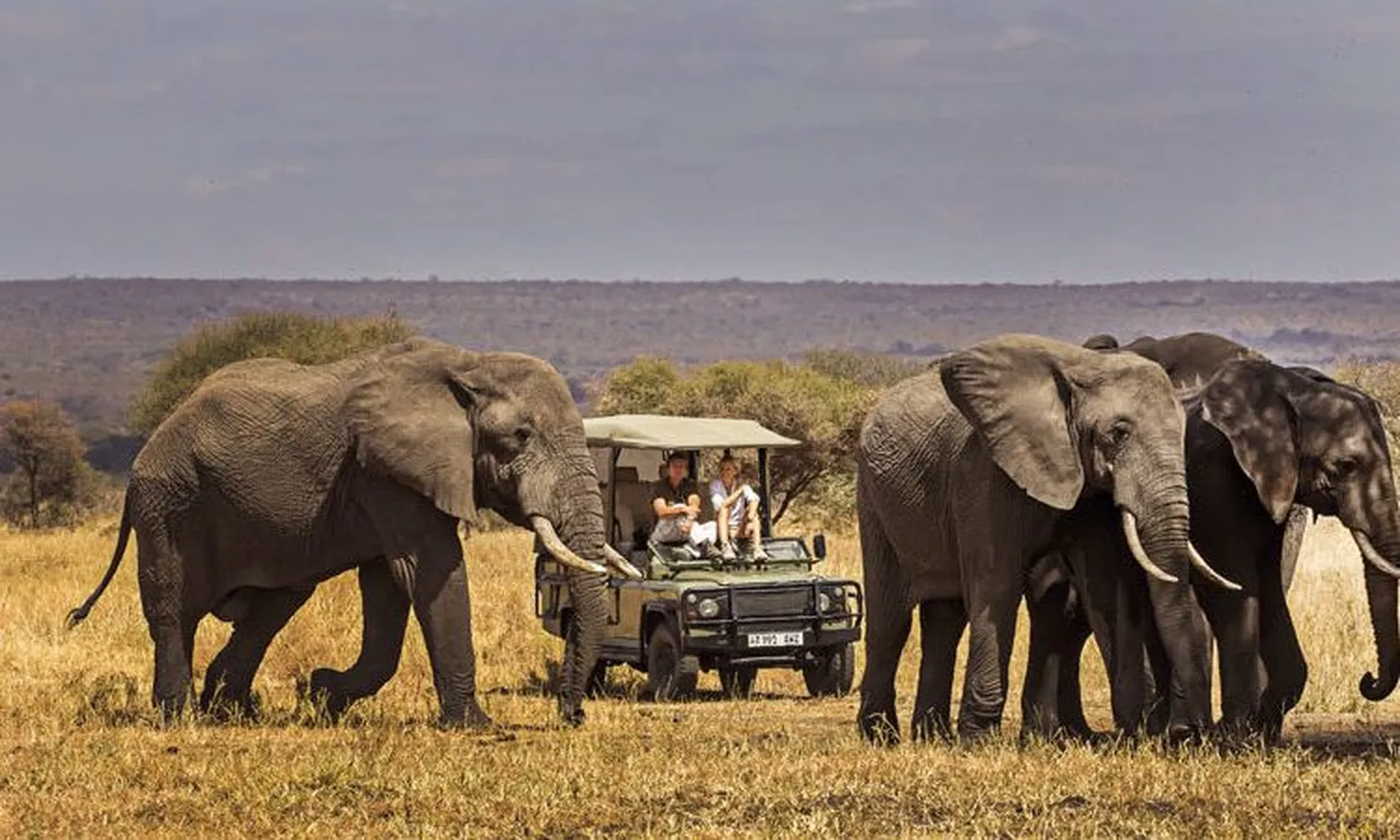
Planning a trip to observe the famous Tarangire National Park elephant herds during the dry season is one of the most rewarding wildlife experiences in East Africa. As regional water holes vanish across the Maasai Steppe, thousands of elephants migrate toward the park's permanent lifeline: the Tarangire River. This seasonal gathering offers travelers unparalleled opportunities to watch intimate family dynamics, massive bulls, and playful calves interacting closely in an iconic landscape dominated by ancient baobab trees.
Why the Dry Season is Best for Elephants
During the wet months, wild herds scatter freely across external migration corridors outside the park boundaries. However, the period from June to October brings arid conditions that dry up peripheral watering holes. Elephants depend heavily on large volumes of daily water intake, drawing up to several hundred individuals into single, impressive super-herds near the river valleys inside the park.
Read More: Planning to extend your budget wildlife tour within Northern Tanzania? Check out our complete guide on Ngorongoro Budget Guide to optimize your regional travel expenses.
Observing these animals during dry conditions ensures clear visibility because the dense, green thickets recede into sparse, golden savannah grasses. Travelers can easily spot massive breeding herds moving systematically between the dusty ridges and the muddy riverbanks.
Peak Months and Seasonal Overview
The density of elephant aggregations changes as the dry season advances. Early June offers pleasant temperatures, but the true spectacle peaks later in the year when water scarcity reaches its maximum intensity. The table below outlines exactly what to expect across the primary travel months:
| Month Range | Herd Dynamics | Visibility Level |
|---|---|---|
| June - July | Small family groups arriving | Moderate to High |
| August - September | Massive super-herds gathering | Excellent / Peak |
| October | Highest density around riverbeds | Maximum / Arid |
Top Locations Within the Park
To maximize your safari success, focus your game drives around the core geographic features where elephant interactions happen daily:
- The Tarangire River Loop: The absolute primary zone where families drink, bathe, and protect their calves from predators midday.
- Silale Swamp: Acting like a massive sponge, this green wetland remains full of nourishing grasses even in the late dry season, attracting hundreds of bulls and family lines.
- Kitibong Juu: A hillier area characterized by acacia woodland valleys, popular with older bulls searching for shade and fresh bark.
Read More: If you are starting or ending your northern circuit safari near Kilimanjaro region, learn Kilimanjaro Viewpoints for spectacular photography opportunities.
To explore more of the region's hidden natural gems, travelers should also look into Kikuletwa Route Safety to enjoy a secure day trip to the famous warm springs near Moshi.
Optimizing Your Safari Itinerary
Seeing the herds requires strategic timing rather than driving around aimlessly all day. Schedule your game drives to align with natural animal behavior patterns. Elephants usually feed in the interior woodlands during the early cool mornings and begin migrating toward open river channels around 11:00 AM as the heat intensifies.
Plan for at least a two-day stay inside or immediately adjacent to the park gates. This timeframe gives your guide ample flexibility to track resident herds as they move between different watering points.
If you are ready to secure an exclusive and well-coordinated game drive experience, booking a tailored tour with registered local experts ensures smooth national park entry clearance.
Read More: Interested in exploring Tanzania's wild southern frontier? See our checklist on Ruaha Safari Logistics for your next adventure.
For those transitions between wilderness wildlife tracking and coastal cultural excursions, preparing ahead via a dedicated Zanzibar Tour Booking ensures seamless scheduling for urban exploration.
Frequently Asked Questions
Are the elephant herds safe to approach in an open vehicle?
Yes, when accompanied by an experienced professional driver-guide from registered operators like Jaynevy Tours. Tarangire elephants are generally accustomed to vehicles, but safety guidelines demand maintaining a respectful distance around protective mothers.
What should I wear on a dry season safari in Tarangire?
Pack lightweight, neutral-colored clothing (khaki, beige, or green) to blend in with the environment. Early morning drives can be chilly, so layering with a warm fleece or jacket is highly recommended.
Can I see the herds during a single-day trip from Arusha?
While day trips are possible due to the park's proximity to Arusha, spending at least one night allows you to witness the spectacular evening and early morning herd movements when wildlife activity peaks.
Verified Safari
To support the data regarding Tarangire National Park elephant herds and dry season migratory movements, we rely on official conservation and regional management insights:
- Tanzania National Parks (TANAPA): Seasonal wildlife census updates confirm that the Tarangire ecosystem supports one of the highest densities of African elephants ($Loxodonta$ $africana$) anywhere on the continent during peak arid periods. For booking regulations, check the official Tanzania Tourism Board Portal.
- Tarangire Elephant Project (TEP): Long-term tracking research indicates that the Tarangire River serves as an indispensable dry season refuge for over 4,000 migratory elephants moving across the Maasai Steppe.
- Jaynevy Tours Operational Data: Field logistics statistics compiled by Jaynevy Tours demonstrate that mid-day game drives tracking the Tarangire River loop yielding a 95% success rate for large herd sightings between August and October.