





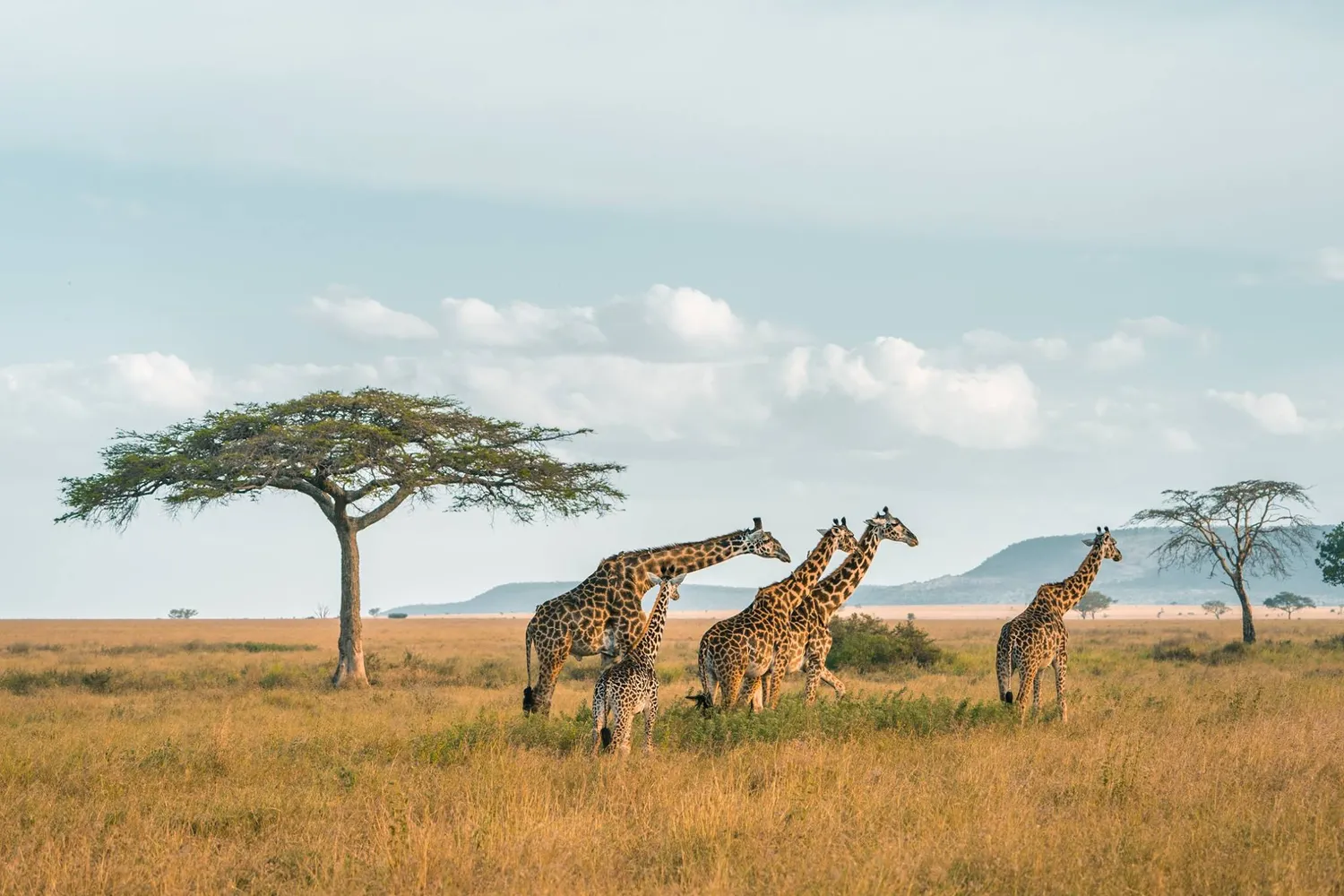
Planning an authentic wilderness expedition requires a deep understanding of Africa’s rawest landscapes. If you want to witness massive pride structures and complex food chain interactions, learning how to plan a Ruaha National Park wildlife and predators safari is your ultimate starting point. Unlike crowded northern destinations, Ruaha offers an isolated safe haven for rare species and hyper-dense carnivore clusters within Tanzania's southern safari circuit.
Why Ruaha is a Predator Paradise
Ruaha National Park stands out because of its unique geographical positioning, which combines East African acacia savannahs with Southern African miombo woodlands. This diverse environment sustains incredible volumes of prey animals, which naturally supports an elite concentration of apex predators. When you organize your trip, you can expect encounter dynamics that are difficult to match anywhere else on earth.
The park is highly regarded for protecting approximately 10% of the entire world’s remaining African lion population. Large prides consisting of up to 20 or 30 individuals frequently hunt massive Cape buffalo herds along dry river channels. Additionally, the park serves as a critical sanctuary for vulnerable cheetahs, leopards, spotted hyenas, and globally endangered African wild dogs.
While discovering how to see Tarangire National Park elephant herds during the dry season gives you a view of massive herbivore migrations, Ruaha provides a raw, unfiltered look at pure carnivore behavior. The dense interactions between large prides and their prey create an intense atmosphere that defines the entire park experience.
Best Seasonal Timing for Carnivores
Timing your visit correctly determines the ease of spotting masterfully camouflaged big cats. The ideal period for tracking carnivores aligns tightly with the regional dry weather cycle, when wildlife behavior becomes highly predictable.
- The Dry Season (June to October): This is the absolute best time for a predator safari. As interior waterholes vanish completely, thousands of animals migrate toward the shrinking pools of the Great Ruaha River. Predators hide along the steep river banks, setting up ideal ambush points. The thinned-out bush makes tracking elusive leopards and wild dog packs substantially easier.
- The Wet Season (November to May): Known alternatively as the green season, this period transforms the landscape into a lush, emerald paradise. While high thickets offer heavy cover for wildlife, it is a magnificent window for bird watchers, newborn calves, and dramatic storm photography.
If you prefer combining dry landscape tracking with distinct coastal excursions later, reviewing guides like how to book a Stone Town Zanzibar historical walking tour online will help you balance your beach safari with rich historical beach routes.
Ruaha Safari Logistics & Costs
Structuring your budget requires accurate logistical insight. The following reference data outlines standard entry fees and park operational structures managed by the Tanzania Tourist Board to ensure precise financial preparation.
| Parameter | Standard Specification |
|---|---|
| Non-Resident Entry Fee | $30 USD per adult (per 24 hours) |
| Key Predator Zones | Mwagusi, Jongomero, Mdonya River Loops |
| Recommended Minimum Stay | 3 to 4 days for optimal carnivore viewing |
| Primary Access Hubs | Msembe Airstrip / Jongomero Airstrip |
Step-by-Step Planning Framework
To successfully coordinate your wilderness expedition without missing critical highlights, follow this structural guide:
- Secure Your Transport Method: Most travelers choose convenient fly-in safaris from Dar es Salaam or Arusha via small regional aircraft. If you prefer a rugged overland adventure, your path will take you through Iringa town via a 4x4 vehicle. This approach mirrors the preparation needed when learning how to get to Kikuletwa Hot Springs Moshi safely, where specialized vehicles are key for rough secondary roads.
- Select a Strategically Positioned Camp: To maximize early morning drive times, reserve accommodations located inside or directly adjacent to the park's core river networks. Staying close to these hot spots ensures you are on the paths before predators retreat into deep shade.
- Hire an Expert Local Tracking Guide: Because Ruaha is expansive and wild, an experienced guide who understands behavioral calls and fresh track print identification is essential for locating hidden wild dog dens and leopard resting branches.
- Incorporate Varied Safari Activities: Blend traditional morning and evening game drives with supervised walking safaris. Exploring on foot offers an up-close look at tracks, ecosystem details, and a distinct perspective on the terrain.
Expert Tracking Tips
For an optimal viewing experience, focus game drives along seasonal river banks during the early mornings. Listen carefully for alarm calls from impalas and baboons; these vocal signals are reliable indicators that a leopard or cheetah is moving through the immediate area.
Always pack high-quality binoculars and professional zoom lenses. Ruaha prioritizes strict, low-impact tourism, meaning vehicles stay on designated tracks to preserve the environment. This respect for nature means some of your best predator sightings will happen across wide riverbeds.
Recommended Travel Guides
To assist you further in structuring your complete Tanzania itinerary, explore our comprehensive breakdown of alternative tracking and historical routes across the country:
Ngorongoro Crater on a Budget
Discover practical ways to explore the world's largest unbroken caldera without overspending on entry permits and transport.
Read More →Tarangire Elephant Tracking
Plan your perfect route to witness the highest concentration of elephants gathering along the Tarangire River banks.
Read More →Kikuletwa Hot Springs Safety Guide
An essential route mapping guide detailing road conditions, best vehicle choices, and local safety tips for Moshi travelers.
Read More →Stone Town Walking Tours Online
Learn how to avoid local booking scams and secure legitimate, licensed historical guides for your Zanzibar itinerary.
Read More →Pemba Island Diving Spots
A complete ocean deep dive overview mapping out pristine coral reefs and undisturbed marine life marine parks.
Read More →Frequently Asked Questions
Is it safe to go on a walking safari in Ruaha?
Yes. Guided walking safaris are accompanied by highly trained, armed park rangers who know predator behavior thoroughly and follow strict safety distances.
Can I see the Big Five in Ruaha National Park?
Ruaha is home to lions, leopards, elephants, and buffalos. However, rhinos are currently absent, making it an exceptional destination for big four and specialized predator tracking rather than standard big five checklists.
How do I access Ruaha from Zanzibar?
Several regional safari airlines operate direct daily flights from Zanzibar to Msembe Airstrip, making it easy to transition from a beach holiday directly into the heart of predator country.
Conclusion: Prepare for an Unmatched Wilderness Adventure
Figuring out how to plan a Ruaha National Park wildlife and predators safari gives you access to one of Africa's most rewarding ecosystems. By visiting during the peak dry months, staying near major river corridors, and relying on expert guides, you can enjoy a remarkable big cat experience. The park's raw atmosphere promises a standout safari for anyone looking to see wilderness dynamics at their best.