





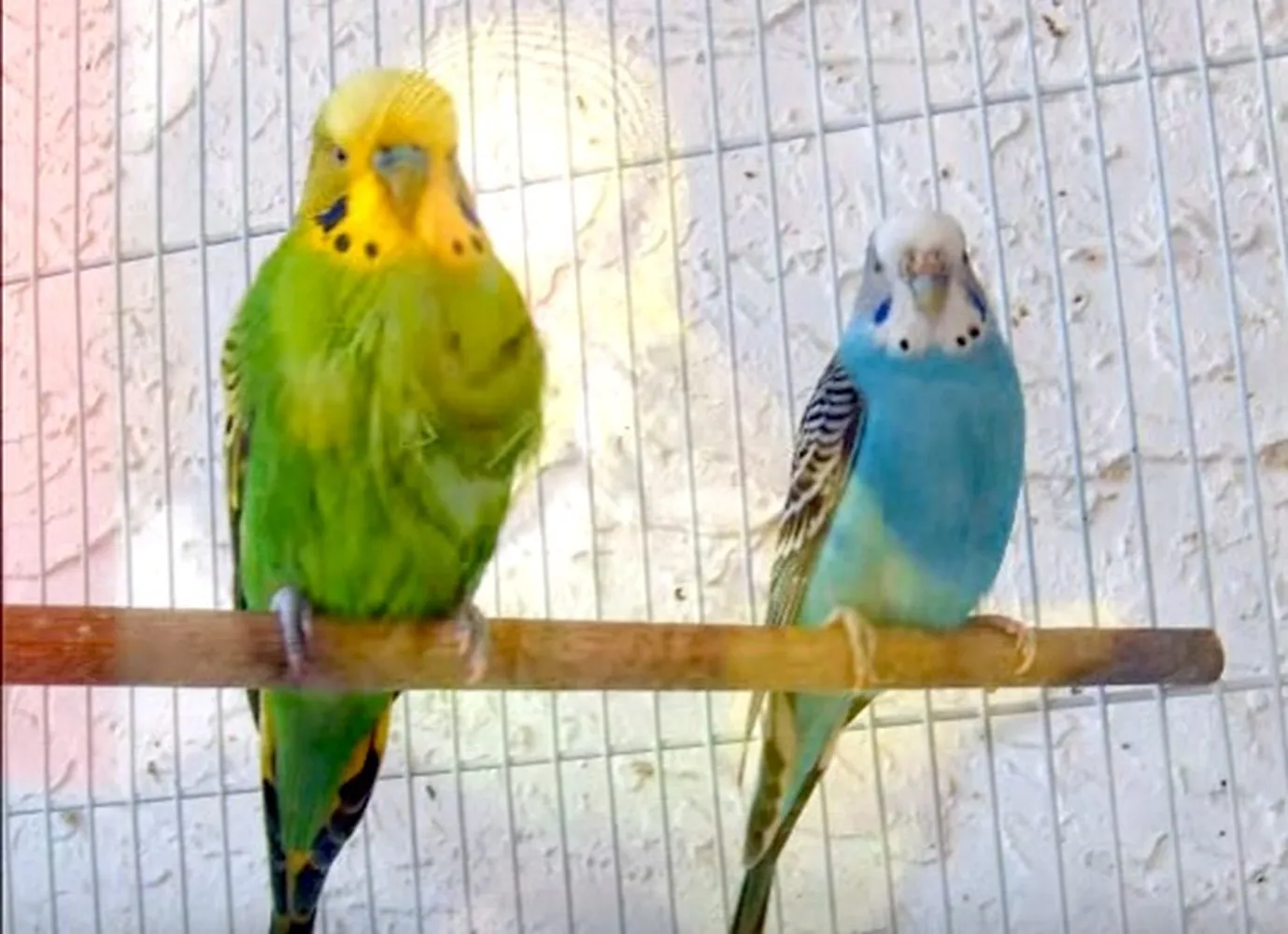
Whether you are a new bird owner or a seasoned hobbyist, knowing how to tell the gender of a budgie is one of the most common challenges. Budgies, or parakeets, are dimorphic, meaning males and females have physical differences. However, these differences are centered on a small patch of skin called the cere, which can change based on age, health, and breeding status. Much like learning how to identify animal tracks in the snow, budgie sexing requires a keen eye for subtle patterns and colors.
Understanding the Cere: The Primary Gender Indicator
The "cere" is the fleshy area located directly above the bird's beak, surrounding the nostrils (nares). In adult budgies, the color of this tissue is the most reliable way to determine biological sex. While many owners look at behavior—similar to observing how to tell if your dog is in pain—physical markers in budgies are far more definitive.
Male Budgie Identification
Adult male budgies typically display vibrant, solid colors on their ceres. If your bird is over 6 months old, look for these specific indicators:
- Bright Blue: The classic indicator of a mature male.
- Royal Purple or Pinkish-Purple: Common in younger males or specific color mutations (like Lutinos or Albinos).
- Smooth Texture: Unlike females, a male's cere usually remains smooth.
Female Budgie Identification
Identifying a female parakeet involves looking for paler or crustier textures. This is especially important if you are trying to help a baby bird or a young fledgling where colors haven't fully settled.
- White or Pale Blue: Non-breeding females often have a very light blue cere with white rings around the nostrils.
- Tan or Brown: As a female enters breeding condition, the cere turns tan and eventually a dark, crusty brown.
- Rough Texture: The cere may become thickened or uneven during hormonal peaks.
Age, Health, and Data Comparison
It is nearly impossible to be 100% certain of a budgie's gender before their first molt (around 3 to 4 months). Below is a simplified data table to help you compare the primary differences observed in 2026 avian studies.
| Feature | Male Budgie | Female Budgie |
|---|---|---|
| Adult Cere Color | Bright Blue / Purple | White / Tan / Brown |
| Nostril Rings | Usually absent | Clear white rings |
| Behavior | More vocal/head bobbing | More territorial/nippy |
According to the World Parrot Trust, environmental factors like light exposure can shift these colors. If you notice a male's cere turning brown, it might indicate a health issue rather than a gender swap. In such cases, consulting an avian vet is as crucial as knowing how to get rid of fleas on puppies naturally—it's all about specialized care.
Frequently Asked Questions (FAQs)
Can I tell the gender by the bird's behavior?
While not 100% accurate, males tend to be more social, vocal, and frequently perform "head bobbing." Females are often quieter but more prone to chewing and territorial behavior.
What if my budgie is a rare color mutation?
In mutations like Recessive Pied or Albino, males may keep a pink/purple cere their entire lives and never turn blue. In these cases, a DNA test is the only certain method.
At what age is the cere color permanent?
Usually by 6 to 8 months, the adult color is established, though female ceres will continue to change based on hormonal cycles.
Conclusion
Mastering how to tell the gender of a budgie requires patience and observation. By focusing on the cere color, checking for white nostril rings, and monitoring behavioral cues, you can accurately identify your feathered friend's sex. For more professional avian and pet advice, visit the PetMD official resource for latest health updates.