





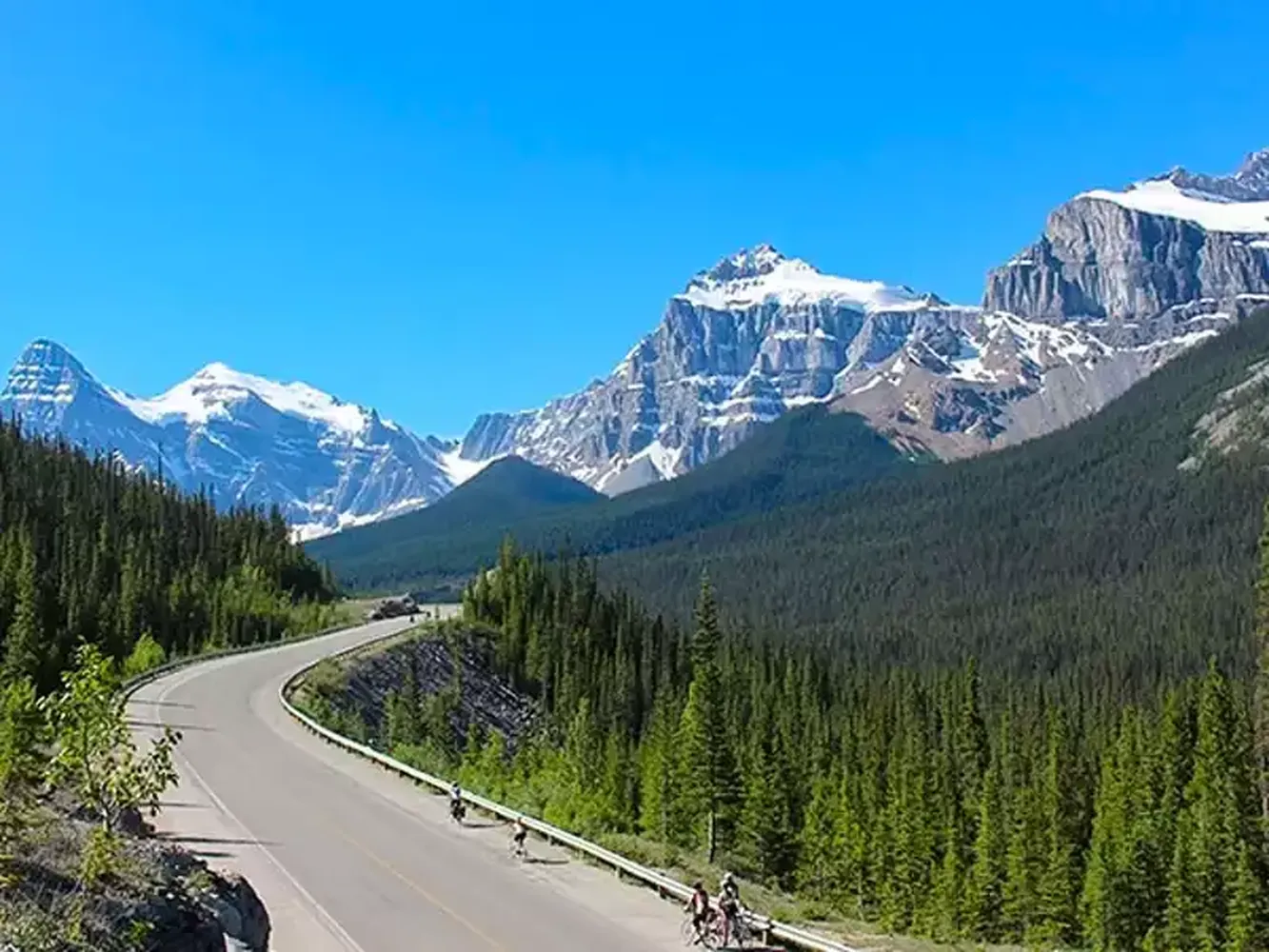
Planning how to take scenic drives in the Canadian Rockies opens up a world of towering limestone peaks, ancient glacial fields, and vibrant turquoise lakes. Spanning across Alberta and British Columbia, this vast mountain system features some of the most advanced engineering and protective road design elements globally. Whether you are looking to establish a weekend itinerary starting from Calgary or executing a multi-week exploration across Banff and Jasper, mastering these highway systems requires specialized preparation regarding park permits, wildlife regulations, and point-to-point mileage. Much like mapping a robust route when you plan the ultimate road trip itinerary through California, managing high alpine conditions demands attention to detail.
The Core Scenic Highway Networks
Navigating the Canadian Rockies effectively depends on understanding the separate highway systems that connect the major valley floors. Rather than treating the entire region as a single loop, experienced travelers divide their approach based on vehicle type, speed limits, and planned points of interest.
Icefields Parkway (Highway 93 North)
Widely considered one of the top overland drives in the world, the Icefields Parkway stretches 232 kilometers (144 miles) from Lake Louise in Banff National Park north to the Jasper townsite. This highway mirrors the Continental Divide and features over 100 visible glaciers. Because commercial transport semi-trucks are entirely banned from this corridor, the road provides a smooth, unhurried driving experience. Notable stops along this route include Bow Lake, Peyton Lake Viewpoint, and the Columbia Icefield area.
Bow Valley Parkway (Highway 1A)
Running parallel to the primary Trans-Canada Highway (Highway 1) between Banff and Lake Louise, this 48-kilometer secondary road offers a slower, more intimate alternative. With a strict speed limit of 60 km/h, the route is designed to maximize wildlife viewing while providing direct access to the Johnston Canyon trailhead and Castle Mountain viewpoints. To balance ecological impact, specific sections of this parkway implement mandatory seasonal closures to vehicular traffic to allow undisturbed wildlife movement.
| Route Name | Distance | Key Visual Highlights | Est. Drive Time |
|---|---|---|---|
| Icefields Parkway (Hwy 93N) | 232 km | Columbia Icefield, Peyto Lake, Athabasca Falls | 3.5 – 5 Hours |
| Bow Valley Parkway (Hwy 1A) | 48 km | Johnston Canyon, Castle Mountain Cliffs | 1 – 1.5 Hours |
| Maligne Lake Road | 46 km | Medicine Lake, Maligne Canyon Walls | 1 Hour |
| Kananaskis Trail (Hwy 40) | 152 km | Highwood Pass Alpine Meadows, Ridge Views | 2 Hours |
Critical Permits, Tolls, and Entry Regulations
You cannot legally drive through or stop within the national parks of the Canadian Rockies without proper regulatory clearance. Unlike typical toll roads where you pay per individual segment, Canada utilizes an integrated entry system managed by Parks Canada. If your trip is a short-duration drive, you can buy individual day passes at the physical entry gates positioned along the highway borders. However, for comprehensive road trips extending past five days, investing in an annual Discovery Pass is highly recommended as a cost-effective alternative.
If your extended exploration plans involve international connections afterward, making sure your entry documentation is fully sorted well in advance is essential. For instance, air travelers often need to check regional entry rules, such as knowing how to handle entry requirements if flying via major international hubs. Ensuring all travel documents match your itinerary prevents structural delays at border crossings.
Driving Safety, Seasonal Conditions, and Logistics
Driving through rugged mountain terrains requires careful consideration of vehicle capabilities and fuel availability. Mountain weather conditions change rapidly, often shifting from bright sun to dense fog or sudden flurries within a few hundred meters of elevation gain.
- Fuel and Charging Logistics: Fuel availability is exceptionally sparse along the primary mountain stretches. The Icefields Parkway contains only one single seasonal refueling stop at Saskatchewan River Crossing. Always fill your fuel tank or fully charge your electric vehicle battery to 100% before exiting the Banff, Lake Louise, or Jasper boundaries.
- Tire Regulations and Winter Laws: From October 1 to May 31, Alberta provincial law mandates that all vehicles driving on Highway 93 North and Highway 93 South must be equipped with certified winter tires bearing the mountain snowflake symbol or M+S rating with a minimum tread depth of 3.5mm.
- Navigation Protocols: Cellular mobile signals drop to 0% across roughly 70% of the Icefields Parkway corridor. You should download comprehensive offline maps onto your smartphone or utilize a dedicated dashboard GPS unit before starting your drive.
If you prefer warmer sea-level adventures over high-altitude mountain environments, you can look into alternative coastal itineraries and discover the best options, such as studying how to discover the best beaches in the Mediterranean for your next holiday. However, if rugged mountain landscapes are your priority, the Rockies provide unmatched visual rewards.
Wildlife Crossing Infrastructure and Safety Protocols
The Canadian Rockies highway system is globally famous for its wildlife conservation design. Highway 1 features massive overpasses and underpasses covered in natural soil and trees. These structural corridors are designed to allow large mammals—including grizzly bears, elk, wolves, and moose—to safely cross above or below traffic lanes without hazard.
- Observe Posted Speed Limits: Speed limits drop rapidly near high-activity wildlife zones. Fines for speeding inside national park borders are heavily doubled.
- The No-Stopping Rule for Wildlife: If you spot a bear or moose along the roadside, do not slam on your brakes or come to a full stop in active traffic lanes. This creates dangerous traffic bottlenecks known as "animal jams." If you wish to observe wildlife safely, pull completely into an official paved roadside turnout.
- Maintain Distance Boundaries: Never approach a wild animal on foot. Keep a minimum legal distance of 30 meters (100 feet) from large herbivores like elk and deer, and at least 100 meters (350 feet) away from bears, wolves, and cougars.
For travelers who enjoy experiencing pristine natural habits up close, combining a drive through the Canadian mountains with other remote outdoor journeys offers a fantastic balance. You can easily pair your northern alpine road trip with a coastal safari down the line by learning how to see wildlife in the best places of South Africa.
Frequently Asked Questions
Do I need a 4WD vehicle to drive the Icefields Parkway?
During the peak summer months from June through September, a standard two-wheel-drive front-wheel sedan is entirely sufficient. However, for travel between October and May, an all-wheel-drive (AWD) or four-wheel-drive (4WD) platform equipped with dedicated winter tires is strongly recommended due to frequent black ice and packed snow.
Are there commercial amenities along the mountain highways?
Amenities are highly restricted to protect the natural ecosystem. You will find small seasonal gift shops, basic public restrooms, and light food counters at the Columbia Icefield Discovery Centre and Saskatchewan River Crossing, but overall options are sparse. Packing your own food, water, and snacks is highly advised.
Can I park my rental RV anywhere overnight along the route?
No. Random overnight parking, boondocking, or sleeping in vehicles inside roadside turnouts or day-use trailheads is strictly illegal throughout Banff, Jasper, Yoho, and Kootenay National Parks. You must hold a valid permit for a designated Parks Canada campsite to stay overnight.
Conclusion: Preparation Is Key for a Smooth Rocky Mountain Drive
Mastering how to take scenic drives in the Canadian Rockies comes down to careful planning, respecting the local mountain ecology, and understanding driving logistics. By securing your park passes early, keeping your fuel tank full, and utilizing offline navigation tools, you ensure a safe and unforgettable journey across Canada's most spectacular alpine roads. The majestic peaks and pristine turquoise waters of the Rockies await your arrival.