





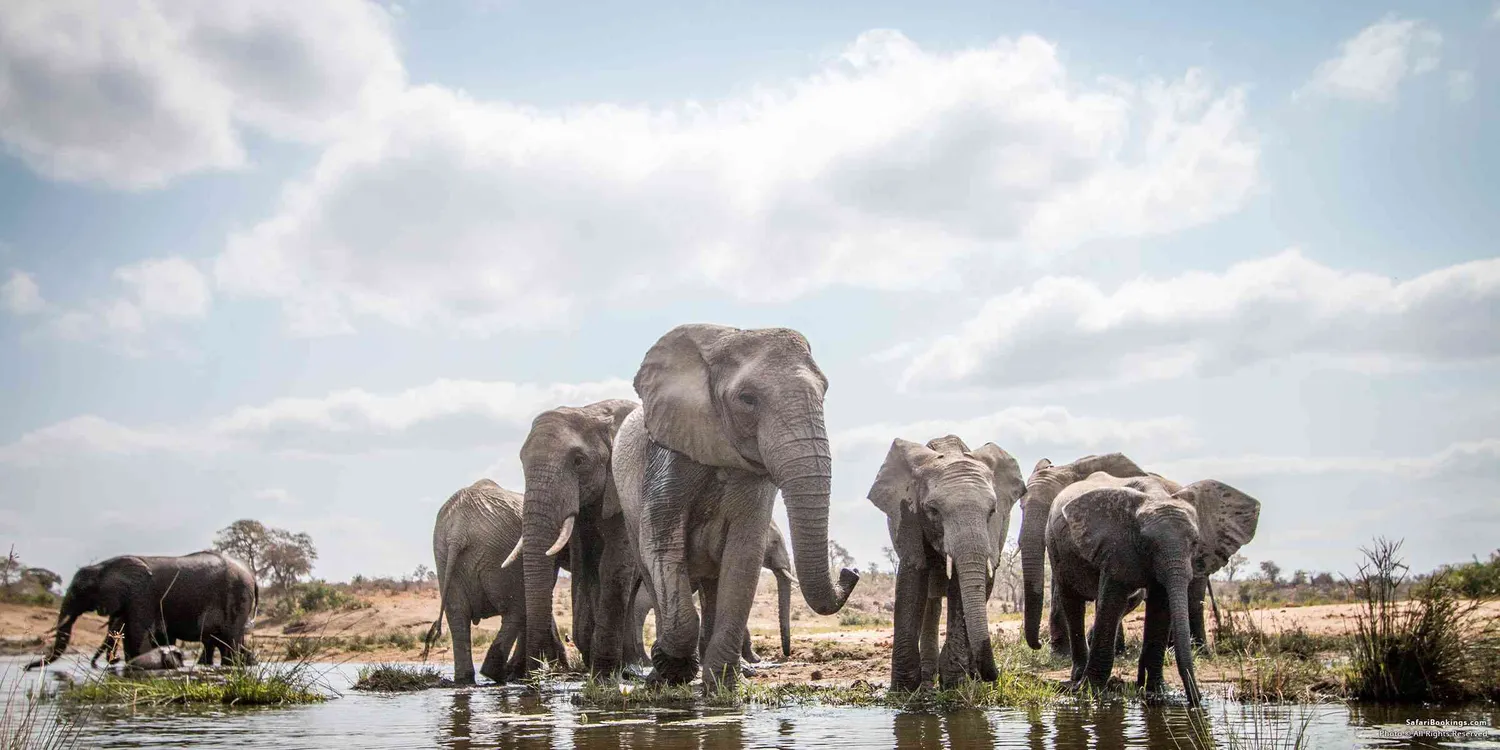
Planning an authentic safari across Southern Africa requires a precise geographic and tactical approach if you want to encounter iconic animals in their natural habitats. Knowing how to see wildlife in the best places of South Africa goes far beyond reserving a simple tour vehicle. It involves carefully tracking seasonal patterns, understanding the difference between public national reserves and private concessions, and positioning yourself at dynamic river corridors. From the legendary vastness of Kruger National Park to the malaria-free brush of the Eastern Cape, taking a well-planned approach guarantees front-row seats to spectacular predator-prey dynamics.
Premium Wildlife Regions in South Africa
The highly diverse landscapes of South Africa support a massive array of eco-systems, each sheltering specialized animal populations. If you want to mix this wild journey with broader regional exploration, it helps to know how to explore off-the-beaten-path destinations in Africa to escape standard holiday crowds. For travelers looking to expand their travel itineraries further north, learning how to visit historical sites in Egypt provides an excellent structural counterweight to a southern wilderness itinerary.
The Northeast region is dominated by the Greater Kruger system, an immense conservation area that matches the size of entire small nations. Here, dense populations of the Big Five roam freely across vast open savannahs. For travelers looking for specialized experiences, the southern coast features Addo Elephant National Park, which protects over 600 elephants alongside unique marine ecosystems. Meanwhile, the dry Northwest holds the striking red dunes of the Kgalagadi Transfrontier Park, an ideal haven for viewing large, black-maned Kalahari lions and elegant cheetahs.
National Parks vs. Private Game Concessions
A key decision in planning your trip is choosing between public state-run parks and exclusive private reserves. Public parks managed by SANParks offer fantastic, budget-friendly self-drive routes along well-mapped networks. However, private concessions—such as Sabi Sands or Phinda—grant trained local rangers the freedom to drive off-road for deep bush encounters and lead exciting night tracking drives.
| Reserve Type | Key Advantage | Main Focus |
|---|---|---|
| National Park | Extensive roads | Self-Drive |
| Private Reserve | Off-road tracking | Close Views |
| Coastal Park | Marine borders | Dual Biomes |
Critical Seasonal Windows for Tracking
Animal visibility changes dramatically throughout the year based on changing weather patterns. The dry winter season, running from May to September, serves as the ultimate viewing window. During these months, daytime temperatures remain comfortably mild, the vegetation thins out significantly, and animals congregate naturally around remaining rivers and permanent waterholes.
Conversely, the summer green season brings lush foliage, migratory bird arrivals, and newborn impalas. While beautiful, the thick cover requires a bit more patience and tracking skill. If you find yourself craving a completely different setting after a dry winter safari, learning how to discover the best beaches in the Mediterranean provides the perfect inspiration for a follow-up summer coast escape.
Step-by-Step Spotting Framework
To maximize your chances of spotting elusive leopards and active wild dogs, adopt a methodical tracking strategy rather than driving randomly through the bushveld:
- Utilize Camp Sightings Boards: Check the daily color-coded pin maps located at main park reception gates to see where key predators were spotted earlier that morning.
- Drive Slowly Around Rivers: Maintain a steady speed under 25 km/h along river loops, keeping your windows down to listen for warning alarms from baboons and birds.
- Scan Horizontal Branches: Use high-quality binoculars to look through the forks of large marula and jacket plum trees, where leopards frequently store their fresh kills.
If you enjoy planning highly detailed, structured journeys, you might also find it useful to learn how to plan the ultimate road trip itinerary through California to master long-distance trip planning. For those traveling with family members who prefer luxurious beach stays over early morning game drives, reviewing how to find and book the best luxury resorts in the Caribbean offers an excellent alternative strategy for your next vacation.
Frequently Asked Questions
What is the best time of day to see predators active?
The first two hours after sunrise and the final hour before sunset offer the highest predator activity, as lions and leopards utilize the cooler temperatures to hunt.
Are there high-quality malaria-free safari options available?
Yes, reserves located in the Eastern Cape, Madikwe Game Reserve, and the Pilanesberg territory are completely malaria-free, making them excellent choices for families traveling with young children.