





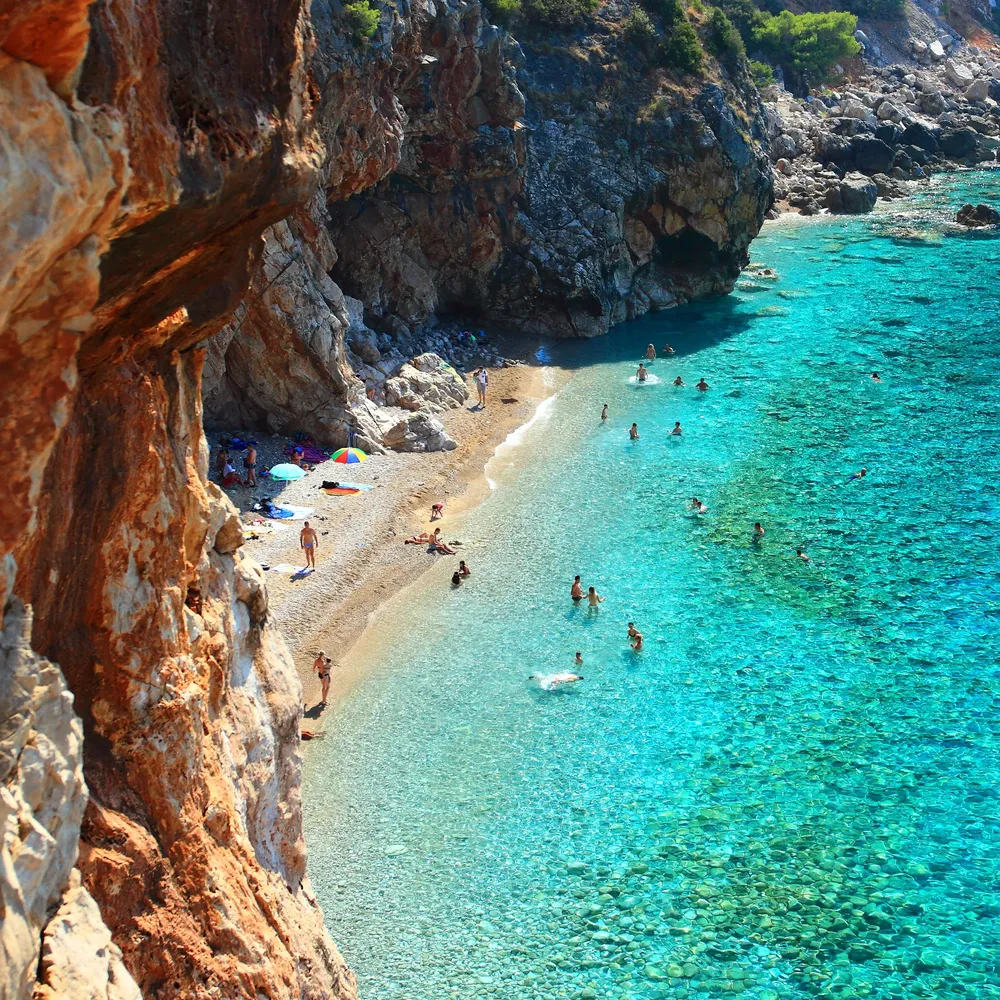
Planning an escape to Southern Europe requires a dedicated strategic framework if you want to experience truly legendary shorelines. Knowing how to discover the best beaches in the Mediterranean means moving past basic holiday brochures and analyzing precise geographic profiles, coastal features, and regional microclimates. Whether your ideal trip looks like the hidden limestone coves of the Balearic Islands or the vast, open sands of the Ionian Sea, taking a structured approach ensures you find crystal-clear waters away from massive crowds.
Understanding Mediterranean Beach Geography
The Mediterranean basin spans over twenty countries, each offering a completely unique coastal personality. To properly sort through your options, it helps to divide the sea into targeted travel micro-zones. If your goal is to pair world-class coastal relaxation with dynamic continental history, a smart strategy is to learn how to travel solo through Europe: A complete guide, which highlights critical train, ferry, and coastal links along the Riviera.
Western coastal spots like Spain's Costa Brava and Italy's dramatic Amalfi coast deliver towering cliffs mixed with historically rich fishing villages. In contrast, Eastern zones—specifically the Greek islands and the Turkish turquoise coast—are famous for deep, sheltered coves and remarkably clear visibility. If you prefer long stretches of uncrowded sand paired with dramatic ancient architecture, exploring North African highlights like Tunisia or Egypt's northern coast offers an incredible alternative route.
Core Criteria for Elite Beaches
Finding an extraordinary stretch of coast requires analyzing practical data rather than just looking at edited travel photos. True quality comes down to strict environmental tracking, accessibility metrics, and local geography.
- Blue Flag Status: Look for beaches with official Blue Flag Certification to guarantee excellent water safety, clean shorelines, and responsible environmental management.
- Substrate Type: Decide between ultra-fine quartz sand, rugged volcanic shingles, or polished white pebbles, which keep the water perfectly clear for snorkeling.
- Wind Exposure: Check local wind patterns, such as the dry Meltemi winds in Greece, which can heavily impact waves and water comfort during peak summer months.
| Beach Class | Key Feature | Best For |
|---|---|---|
| Hidden Cove | Limestone cliffs | Snorkeling |
| Open Bay | Fine quartz sand | Sunbathing |
| Lagoon | Shallow sandbars | Wading |
Step-by-Step Discovery Strategy
Finding these hidden paradises takes a bit of deliberate research. Follow this structured approach to track down spectacular spots that don't show up on standard tourist maps:
- Analyze Satellite Maps: Use high-resolution satellite imagery to find hidden sandy coves that don't have direct road access.
- Track Local Ferry Paths: Look for smaller, regional supply boats and foot ferries that drop travelers off at isolated islands.
- Read Regional Topography Maps: Find coastal areas bordered by steep cliffs or protected national parks, as these natural barriers prevent major hotel development.
If you love pristine coastal landscapes but want to branch out beyond Europe, you might consider learning how to find and book the best luxury resorts in the Caribbean for your next tropical adventure. Alternatively, for those who love epic road trips along dramatic coastal roads, learning how to plan the ultimate road trip itinerary through California gives you a perfect blueprint for exploring the famous Pacific coast.
Essential Seasonal Timing
Timing is everything when planning a Mediterranean getaway. July and August bring peak summer crowds and high temperatures across Southern Europe. To enjoy these coastlines at their absolute best, aim for the shoulder seasons—either May to early June or September through October. During these months, the sea remains beautifully warm, prices drop significantly, and the natural scenery feels peaceful and expansive.
Frequently Asked Questions
How do I find Mediterranean beaches that aren't crowded?
Focus on islands that don't have commercial airports, use water taxis to reach isolated coves, or explore national park paths where cars aren't allowed.
Are there sandy beaches in the Mediterranean, or are they all pebbles?
The region has a wonderful mix of both. Places like Sardinia, Cyprus, and Naxos are famous for fine white sand, while parts of Croatia and the French Riviera feature polished pebbles.