





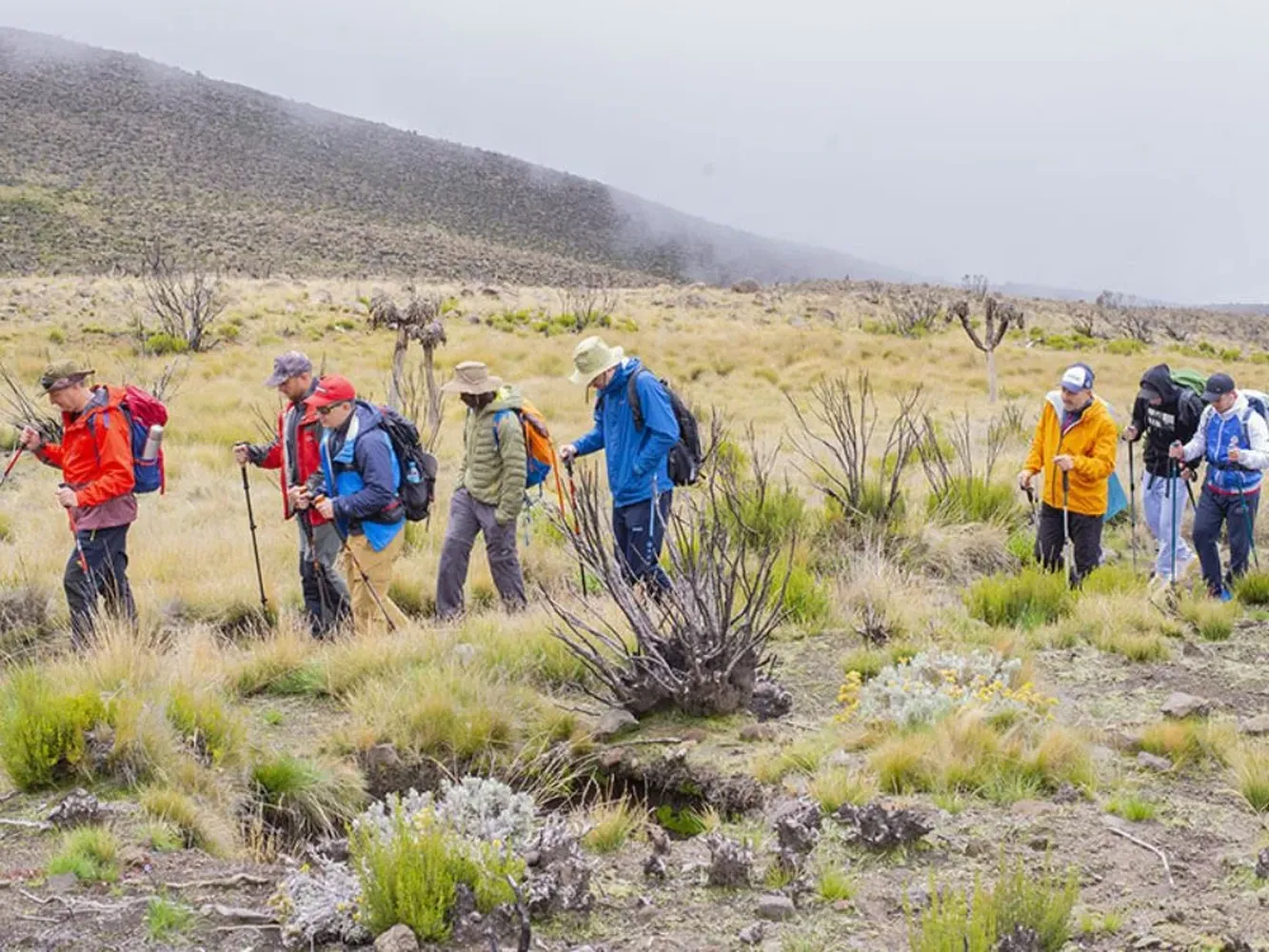
The Lemosho route is widely celebrated as the most beautiful, diverse, and successful path up Mount Kilimanjaro. Approaching the mountain from the west, this trail crosses pristine rainforests, traverses the dramatic Shira Plateau, and provides an exceptionally gradual altitude profile. However, because this is a remote multi-day wilderness camping expedition, your safety and success depend heavily on your ground team. Learning exactly how to select reliable Lemosho route multi-day trekking operators is the single most important planning step for any hiker.
1. Legal Credentials and High-Altitude Safety Protocols
A trustworthy operator must hold a valid Tourist Agent Licensing Authority (TALA) permit issued by the Tanzania Ministry of Natural Resources and Tourism. This license legally allows them to conduct mountain operations within the national park. Beyond paperwork, true reliability shows in their medical protocols on the trail.
High-altitude pulmonary edema (HAPE) and cerebral edema (HACE) are real risks above 4,000 meters. Reputable companies provide specialized safety packages on every trek, including pulse oximeters, hyperbaric chambers, and emergency medical oxygen tanks. Their lead guides must hold Wilderness First Responder (WFR) certifications to manage health incidents efficiently.
2. Porter Welfare and Ethical Crew Standards
Your trekking crew does the heaviest lifting on the mountain. When researching how to select reliable Lemosho route multi-day trekking operators, always check if they partner with the Kilimanjaro Porters Assistance Project (KPAP). KPAP compliance ensures porters receive fair wages, adequate mountain clothing, proper shelter, and nutritious food. Operators that cut prices below baseline market rates often do so by underpaying their crews, which directly compromises safety, morale, and service quality on the trail.
| Operational Indicator | Budget-Cut Operators | Reliable Operators |
|---|---|---|
| KPAP Partner Status | Non-compliant / Unmonitored | Fully audited partner company |
| Oxygen Supply | None or shared charge | Included emergency cylinders |
| Daily Health Checkups | Rarely performed | Twice daily oximeter tracking |
3. Comparing 7-Day vs. 8-Day Lemosho Group Dynamics
The length of your journey heavily impacts how your body handles the thin air. Reliable operators generally recommend an 8-day schedule over a 7-day one, as the extra night spent near the Shira Ridge increases summit success rates past 90%. Group sizing is another helpful metric; stable agencies cap their public groups at 10 to 12 trekkers to maintain an optimal guide-to-client safety ratio of 1:3.
Before launching into the high wilderness, arranging smooth logistical connections makes a world of difference. Experienced hikers often save time and hassle by discovering how to use hotels near Marangu gate booking systems to easily coordinate their pre-trek and post-trek stays across the region.
4. How Lemosho Compares with Alternative Paths
Understanding the unique features of the western approach helps you pick the right agency for your specific style. While the Lemosho route relies completely on high-quality mountain tents, different paths use completely different setups. For example, if you prefer solid, permanent shelter instead of tent camping, look into how to find trusted mountain climbing guides for the Marangu route to experience Kilimanjaro's classic hut-based trail.
For trekkers who enjoy steep, rocky ridges and excellent opportunities to "climb high and sleep low," a popular alternative is to learn how to choose the best Machame path expedition leaders for hikers. If your team is interested in visiting multiple peaks or taking on technical ascents, it's also worth reading about how to find affordable Kibo and Mawenzi peak route organizers.
If you have a spare day before or after your climb, taking a short day trip can be a fantastic way to stretch your legs and experience local life. Many travelers choose to learn how to book the top Materuni Waterfalls and coffee tour agencies to enjoy an immersive cultural tour right at the base of the mountain.
5. Frequently Asked Questions (FAQs)
What is a fair price for a reliable multi-day Lemosho route trek?
An ethical, fully supported 8-day Lemosho trek typically ranges between $2,400 and $3,200 USD per climber. This price structure covers conservation fees, legal crew wages, and robust high-altitude safety equipment.
Why does the Lemosho route require more porters?
Because Lemosho is a remote multi-day camping route, the crew must carry all camp infrastructure, clean water, fresh food, and personal baggage. A typical group requires an average of 3 to 4 porters per client.
Official Reference Standards
Our safety benchmarks, porter protection standards, and operational guidelines are built using criteria monitored directly by the Tanzania Tourist Board Official Portal and the Kilimanjaro Porters Assistance Project advocacy framework.