





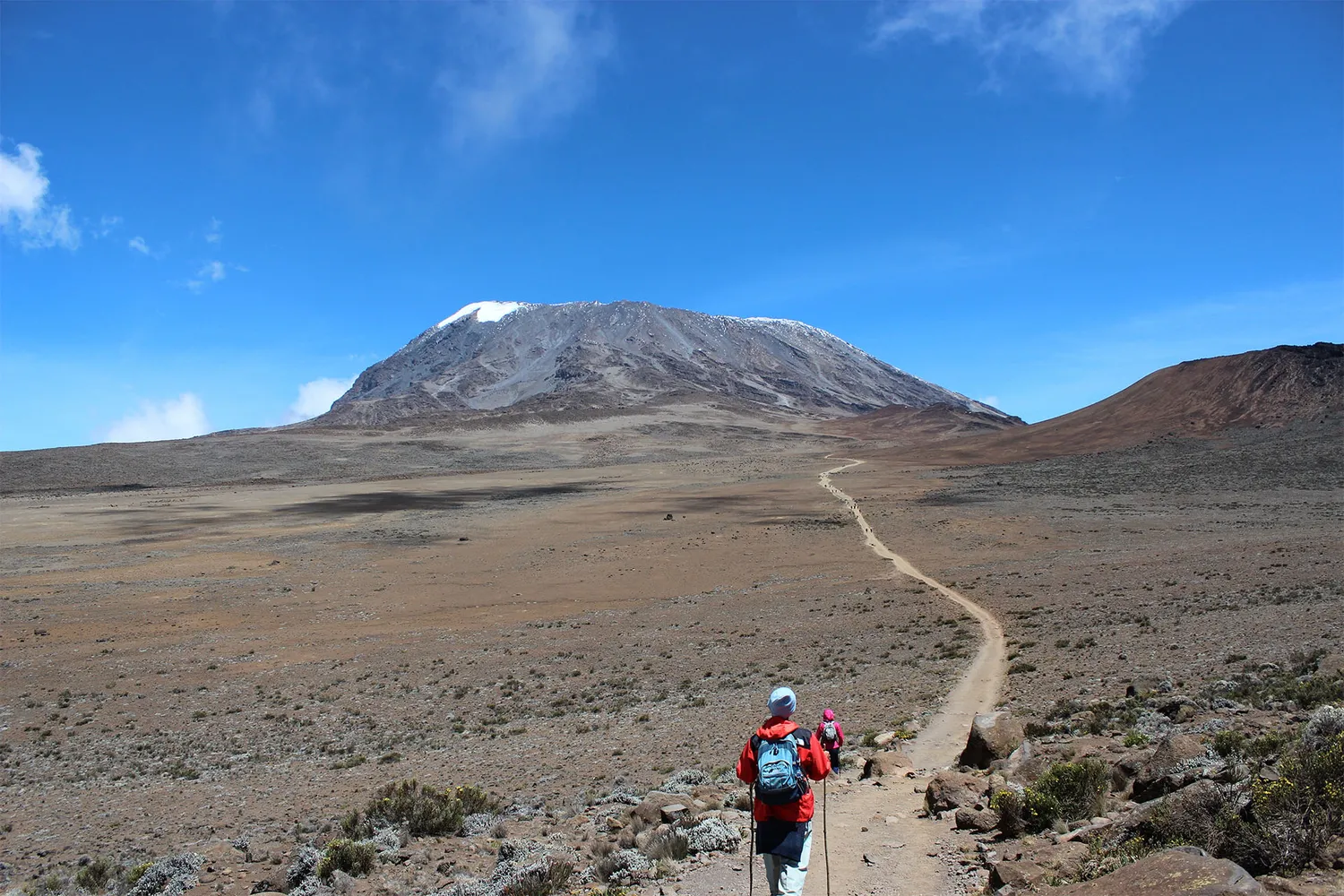
Conquering the twin crowns of Mount Kilimanjaro—the snow-capped volcanic dome of Kibo (5,895m) and the technical, jagged spires of Mawenzi (5,149m)—is a life-changing milestone. However, the operational logistics can easily drive up trip costs if not handled smartly. Finding an affordable yet highly reliable local organizer requires understanding how park fees work, selecting the right routes, and vetting operators to ensure they maintain fair ethical standards.
Quick Navigation Index
01. Fixed Park Fees vs. Operator Markups
To ensure your chosen package is genuinely reasonable, you must break down where your money actually goes. A large percentage consists of mandatory government charges managed by the Tanzania Tourist Board (TTB) and TANAPA. These baseline conservation fees remain identical across all tour companies.
Pro Budget Tip: Cut out premium ground transfer expenses by handling your pre-climb lodging layout independently near key starting points. See our comprehensive breakdown on how to use hotels near Marangu gate booking systems to skip heavy taxi surcharges.
02. Spotting Red Flags in Dangerously Cheap Packages
When searching for the right outfitters, verifying their commitment to ethical standards is non-negotiable. Look for agencies supporting the Kilimanjaro Porters Assistance Project (KPAP). Budget operators who cut corners beneath realistic baselines often underpay crews or compromise on safety.
| Metric Details | Sub-Standard Operators | Ethical Budget Agency |
|---|---|---|
| Average Cost Base (6-Day) | $1,200 - $1,400 USD | $1,600 - $2,200 USD |
| Safety Kits Provided | Absent or expired equipment | Pulse oximeters & medical oxygen bottles |
| Porter Conditions | Unfair pay, limited meals | Guaranteed minimum wages, warm clothing |
03. Group Joining Packages & Route Variations
Opting for a private expedition drives up costs rapidly because you shoulder the entire bill for guides, cooks, and porters alone. Joining a pre-existing group departure lets you split the overhead expenses across multiple climbers seamlessly.
Furthermore, the physical route you choose determines your overall logistics spend:
- The Marangu Track: Features shared, permanent A-frame wooden huts. This removes the need for porters to haul heavy, complex tent systems every morning. Learn more by checking out our walkthrough on how to find trusted mountain climbing guides for the Marangu route.
- The Machame Path: Ideal for natural high-altitude acclimatization along scenic ridges, though it relies entirely on mobile tented camps. Compare pricing systems using our overview on how to choose the best Machame path expedition leaders for hikers.
04. Go Direct with Licensed Tanzanian Operators
Booking through Western or European travel brokers adds heavy middleman commissions to your final bill. By dealing directly with local businesses registered in Moshi or Arusha, you ensure 100% of your money goes straight to the crew and regional economy.
If you have extra days before or after your climb, adding an inexpensive lower-altitude cultural activity can help your body acclimatize. Learn how to book the top Materuni Waterfalls and coffee tour agencies to seamlessly fill gaps in your schedule.
05. Managing Tipping Policies & Gear Rentals
Many hikers forget to factor crew tips into their budget, which are traditionally given at the end of the trek. Plan for an additional $150 to $250 USD per climber for tips. To keep costs low, choose local operators that offer gear rentals for items like heavy down jackets, sleeping bags, and walking poles. This saves you from buying expensive gear you might only use once.
Kibo vs. Mawenzi Peak Demands
Keep in mind that while Kibo Peak is a standard, non-technical high-altitude trek, Mawenzi Peak involves highly technical rock climbing. Mawenzi requires specialized safety ropes, helmets, and technical guides. Consequently, any combo package covering both peaks will naturally cost more than a standard Kibo-only trek.
Explore More Regional Route & Planning Guides
Marangu Route Selection
A step-by-step review of hut accommodations, crew layouts, and budget guidelines for the classic trail.
View GuideLemosho Multi-Day Options
Compare operators and itineraries on the long-distance western route designed for excellent acclimatization profiles.
View GuideMachame Path Leaders
How to check safety profiles, equipment standards, and competitive group pricing structures.
View GuideMateruni Cultural Excursions
Plan an easy, affordable single-day trek to local waterfalls and coffee farms for a great pre-climb warm-up.
View GuideFrequently Asked Questions
Can I climb Kibo Peak independently without a registered guide?
No, park rules strictly prohibit unguided climbs. Every trekker must be accompanied by a licensed crew with valid TANAPA permits.
What is the ideal itinerary length for a safe, budget-friendly trek?
A 6-day itinerary is highly recommended. While 5-day climbs appear cheaper initially, the rapid altitude gain lowers summit success rates significantly.
Official Field References
All budgeting and regulatory standards align with protocols from the Tanzania Tourist Board Official Site and crew protection metrics monitored by the Kilimanjaro Porters Assistance Project.