





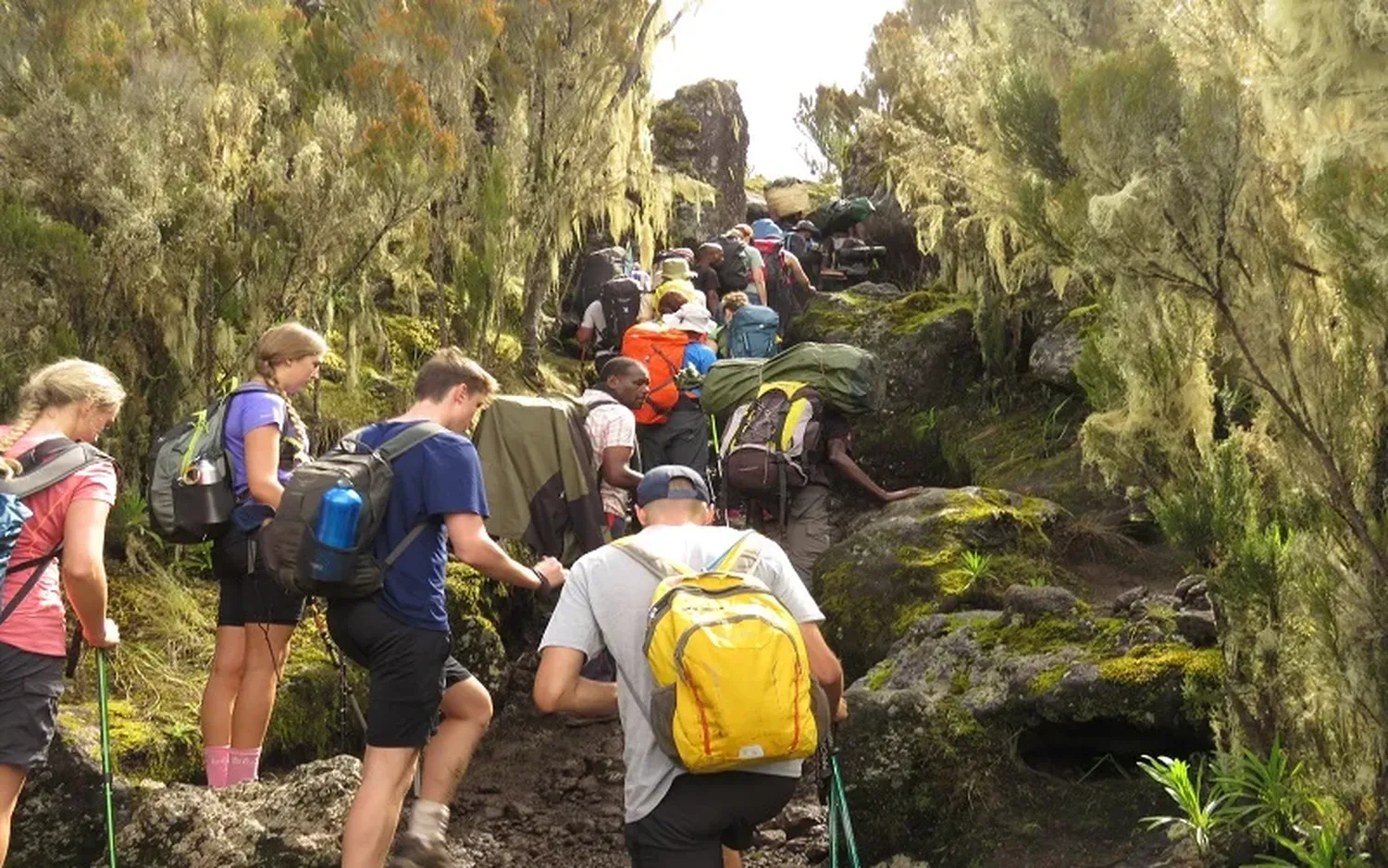
Climbing Mount Kilimanjaro via the popular Machame Route—often nicknamed the "Whiskey Route"—is an exhilarating challenge that takes you through breathtaking ecological zones. Because this trail features steep ascents and iconic obstacles like the Barranco Wall, selecting an elite guiding team is the single most important choice you will make. This practical guide covers exactly how to choose the best Machame path expedition leaders for hikers to ensure high success rates, excellent medical response planning, and ethical treatment for mountain crews.
1. Verify Official Licenses and Wilderness Medical Credentials
You should never trust an unlicensed organization with your life at 5,895 meters. Authentic expedition leaders must be fully registered with the Tanzania Tourist Board (TTB) and possess active operating permits from the Tanzania National Parks Authority (TANAPA). Before wire-transferring funds or making card deposits, confirm that your specific head guide holds a certified Wilderness First Responder (WFR) qualification.
A licensed leader knows how to spot the subtle, early markers of High Altitude Pulmonary Edema (HAPE) and High Altitude Cerebral Edema (HACE). If you want to check your operator's competence across alternative paths, remember to learn how to select reliable Lemosho route multi-day trekking operators to cross-examine their standard operating credentials across different trail lengths.
2. Choose Itinerary Designs Built for Proper Acclimatization
The Machame trail profile naturally encourages a "climb high, sleep low" strategy. However, budget-driven companies frequently attempt to push novice trekkers up the mountain on condensed timelines to eliminate food and staffing costs. To ensure a smooth journey, choose an operator that values gradual elevation adjustments over rapid ascents.
The table below highlights how adding a single recovery day dramatically improves summit achievements while minimizing emergency down-mountain evacuations:
| Itinerary Length | Average Success Rate | Altitude Sickness Risk | Recommended For |
|---|---|---|---|
| 6-Day Route | 70% - 75% | Moderate to High | Experienced Backpackers |
| 7-Day Route | 85% - 90% | Significantly Reduced | Standard Hikers (Best Choice) |
3. Analyze On-Mountain Medical Monitoring Protocols
Premium expedition crews conduct systematic check-ups twice everyday. Your group leader must carry dedicated medical bags containing pulse oximeters, automated chemical heat pads, bottled medical oxygen tanks, and specialized hyperbaric altitude bags. They should check your blood oxygen saturation layers and heart rates every morning and evening.
If your travel company cannot clearly explain their emergency descent logistics from Uhuru Peak down to the lower gates, avoid booking with them. If your main travel focus is focused on finding budget-friendly valley treks before ascending major summits, look at our steps on how to find affordable Kibo and Mawenzi peak route organizers to secure competitive regional deals.
4. Demand Fair Treatment Standards for Porters
Ethical porter management directly influences your personal safety on the mountain. Overworked, cold, or underfed field crews are less capable of managing complex logistics during sudden mountain storms. Choose operators associated with the Kilimanjaro Porters Assistance Project (KPAP).
KPAP verification guarantees that your field support team receives fair minimal wages, appropriate mountain outerwear, nutritious meals, and safe weight caps on personal equipment bags. If your group requires local accommodations prior to starting your trek, consider reading about how to use hotels near Marangu gate booking systems to plan your base camp stay efficiently.
5. Compare Route Success Rates vs. Price Points
While low-cost options look attractive, extremely low rates usually lead to compromised field safety, old gear, or underpaid support staff. High-end companies balance cost with extensive safety nets, providing proper client-to-guide ratios and high summit success rates.
6. Read More: Ultimate Preparation Insights for the Machame Route
To give you a complete advantage before booking your multi-day expedition, we have gathered critical field insights regarding climate shifts, physical training, and essential gear kits that premium agency leaders expect you to know.
A. Understanding the Microclimates of Kilimanjaro
The Machame path is structurally unique because it crosses five distinct ecological zones in a matter of days. You will start in the lush, humid agricultural zone and rain forest zones (1,800m - 2,800m), progress through the low alpine moorlands, move into the alpine desert, and finally face the arctic summit zone where temperatures easily drop below -10°C. Elite expedition leaders always provide a comprehensive thermal layout plan to ensure you layer your clothes correctly as atmospheric pressure shifts.
B. Essential Gear Checklists Demanded by Top Guides
When packing for a Machame trek, quality equipment can make or break your summit night. Reputable operators expect hikers to bring standard multi-layered synthetic gear. The core essentials include:
- Four-Season Sleeping Bags: Rated for at least -15°C or lower.
- Waterproof Outer Shells: Gore-Tex or similar breathable, heavy-duty rain jackets and pants to withstand sudden cloudbursts.
- Trekking Poles: Indispensable for reducing joint stress by up to 25% during the steep descent from Uhuru Peak to Mweka Camp.
- Thermal Base Layers: Moisture-wicking merino wool or high-performance synthetics (avoid cotton entirely).
C. Physical Stamina and Mental Training Requirements
Even with the most qualified guide team by your side, your legs must carry you up the steep slopes of the Barranco Wall. Top-tier operators suggest starting your aerobic and cardiovascular endurance training at least 12 to 16 weeks before arrival. Focus on long-distance trail hiking with a weighted backpack, stair climbing, and strength training for your core and legs to simulate the consecutive 6-to-8 hour trekking days.
D. Booking Your Trek with Trusted Operators
When evaluating top-rated regional experts who maintain flawless high-altitude medical safety records and full licensing, executing your reservation through accredited groups makes a profound difference. For a completely seamless booking experience, comprehensive custom itineraries, and highly trained local crew management, visit Jaynevy Tours to lock in your multi-day mountaineering package safely.
To help you map out your entire East African holiday itinerary, here are several other useful travel resources you can check out:
- Discover how to find trusted mountain climbing guides for the Marangu route if you want a classic hut-sheltered climb.
- Learn how to book the top Materuni Waterfalls and coffee tour agencies to enjoy beautiful cultural excursions around Moshi.
Frequently Asked Questions
Why is the 7-day Machame route variation safer than the 6-day option?
The extra day splits the long distance from Barranco Camp to Barafu Camp into two shorter sections. This gives your body essential rest time before making the midnight summit attempt.
What is a normal tip amount for Machame path guides and porters?
Hikers usually tip around $20-$25 per day for head guides, $15-$20 for assistant guides, and $8-$10 per day for each porter, distributed through group tipping boxes.
Official Field References
To ensure total reliability, our tracking tips match standard updates from the Tanzania National Parks Management Portal and safety guidelines from the global International Climbing and Mountaineering Federation.