





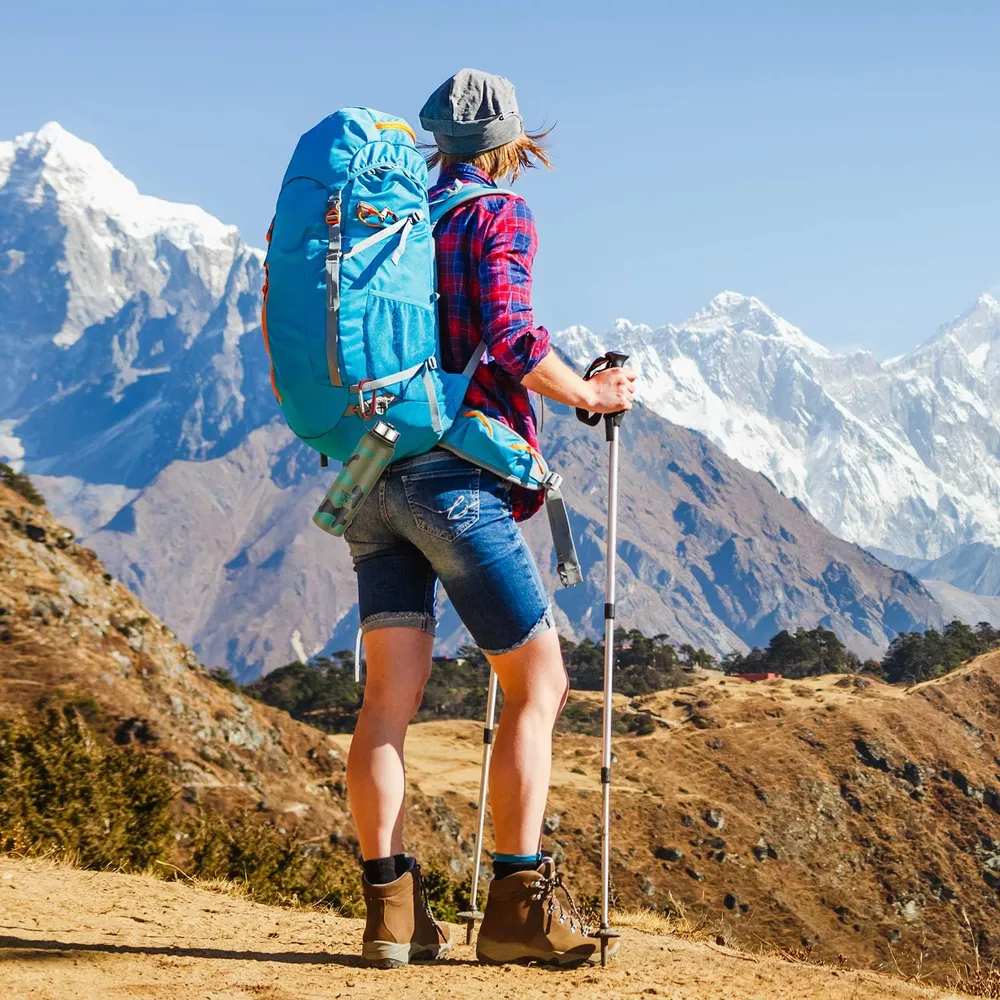
Climbing the highest peak in Africa is an incredible milestone, but purchasing specialized technical equipment can strain your budget. Learning how to rent cheap hiking gear in Moshi for Mount Kilimanjaro allows you to access premium cold-weather essentials without paying full retail value. This comprehensive tracking guide delivers actionable insights into local prices, equipment check methods, and strategic navigation options through rental shops within Kilimanjaro region to ensure a safe, cost-efficient path up the mountain.
Why Rent Equipment Locally in Moshi?
Mount Kilimanjaro demands layers that can withstand temperatures plunging below -15°C (5°F) at the summit zone, yet the lower trails cross hot tropical rain forests. Carrying heavy technical parkas, alpine sleeping bags, and sturdy trekking poles across international flights introduces significant airline baggage fees. Securing equipment directly in Moshi keeps your travel bags light while dropping total trip investment.
Renting gear in town directly reinforces the local economy and ensures that you use gear optimized for the unique volcanic environment. Whether you are finalizing a fast-paced trek or adjusting coordinates between different trail strategies, local outfitters offer scalable options tailored exactly to the demands of your specific trail timeline.
Read More: Planning an optimal trekking itinerary is just as critical as sourcing the right equipment. Discover the differences and strategic layout guidelines by reviewing our deep analysis on How to Choose Between 6 Day vs 7 Day Kilimanjaro Machame Route Package.
Furthermore, local gear rental stores are deeply familiar with seasonal shifts. The staff can tell you whether you will need extra moisture barriers or thicker thermal inserts based on the current weather patterns observed directly from the town streets of Moshi Mjini. This local knowledge helps prevent over-packing unnecessary gear while keeping your safety profile locked at 100%.
Average Costs of Gear Rental in Moshi
To prevent overpaying, travelers must familiarize themselves with standard market rates. Independent gear rental shops clustered around Moshi Mjini offer highly competitive pricing compared to upscale airport transfer points or booking agencies.
| Gear Item Name | Daily Price (USD) | Estimated Trek Total (6-7 Days) | Quality Metric Checklist |
|---|---|---|---|
| Down Jacket (Warm) | $5 - $8 | $30 - $48 | 800-fill power, clean baffle boxes |
| Sleeping Bag (-15°C rated) | $5 - $10 | $30 - $60 | Mummy shape, thick draft collar |
| Waterproof Shell Trousers | $2 - $4 | $12 - $24 | Gore-Tex or equivalent seam tape |
| Trekking Poles (Pair) | $2 - $3 | $12 - $18 | Flick-lock system, rubber tips intact |
| Duffle Bag (Waterproof) | $2 - $4 | $12 - $24 | Heavy-duty PVC fabric, 90L capacity |
| Gaiters (Pair) | $1 - $2 | $6 - $12 | Secure under-boot straps, strong velcro |
| Thermal Balaclava / Gloves | $1 - $2 | $6 - $12 | Fleece-lined insulation layer |
How to Rent Cheap Hiking Gear in Moshi Step-by-Step
Finding budget-friendly rates requires an active approach once you arrive in town. Use this sequence to safely lock in reliable equipment without straining your travel wallet:
- Audit Operator Inclusions: Review your initial booking confirmation text. Some operators bundle standard elements like mess tents, safety oximeters, and foam pads into base pricing, leaving you to source only personal thermal items.
- Explore Outside Premium Hotel Zones: Gear stores located right inside major tourist lodges usually carry premium price tags. Walk into the commercial sections of Moshi Mjini, along Double Road or Mawenzi Road, where independent local merchants provide authentic rental frameworks at lower prices.
- Propose Package Deals: If you are traveling with a group or renting more than four distinct pieces, ask for a bundled package rate. Merchants are generally eager to clear inventory and will reduce overall totals.
- Secure Transactions via Cash: Carrying US Dollars (printed after 2013 with no tattered corners) or Tanzanian Shillings (TZS) grants you greater leverage when finalizing lower prices compared to relying heavily on international digital cards.
Read More: Navigating peak seasons effectively allows you to pick up the finest rental items before stock runs low. Learn how to align your travel timeline with perfect weather windows by viewing our extensive blueprint on How to Choose the Best Month to Climb Mount Kilimanjaro.
Critical Quality Checks Before You Pay
Cheap rates must never compromise your physical safety on the trail. Technical errors on high altitude slopes can escalate quickly. Exposure risks are real, making systematic quality inspection essential before signing any rental logs:
- Zipper Elements: Manually zip and unzip every pocket, main seam, and storm flap. A jammed zipper at 4,000 meters exposes your core to high alpine wind, inducing rapid heat depletion.
- Down Insulation Fill: Hold jackets and sleeping bags up against daylight. Confirm the inner insulation remains evenly distributed rather than clumped down into isolated corners due to improper wash habits.
- Trekking Pole Locking mechanisms: Test twist-lock and lever-lock trekking systems under body weight. Secure poles protect knee joints during steep descents down loose volcanic scree slopes.
Read More: Physical preparation and formal clearance are fundamental to high-altitude mountaineering. Ensure your baseline physical parameters match institutional park requirements by visiting our specialized guide: How to Pass the Medical Check Before Climbing Mount Kilimanjaro.
Avoiding Hidden Pitfalls in Gear Rental Contracts
When searching for cheap equipment options, some travelers run into unexpected administrative loops during drop-off. Always request a clearly written receipt listing every single item checked out under your name. Note down any tiny structural flaws, such as minor scuffs or fraying fabric, directly onto the merchant’s ledger so you aren't held accountable for prior wear and tear.
Additionally, ask about flexible extension rates. If an unexpected mountain event shifts your summit push by an extra 24 hours, knowing the flat daily overstay cost beforehand prevents stress during your post-hike settlement. Clear communication protects both your budget and your relationship with local providers.
Strategic Breakdown: What to Bring vs. What to Rent
Maximizing structural safety requires finding a balance between personal gear and rental pieces. While renting heavy outer insulation saves tremendous travel space, certain core elements should belong to you from day one to maintain sound hygiene and biological comfort:
- Bring with you: Next-to-skin moisture-wicking base layers (merino wool or synthetic blends), specialized thermal socks, UV-blocking polarized sunglasses, and broken-in trekking boots that fit your foot anatomy perfectly.
- Rent locally: High-loft down parkas, sub-zero sleeping bags, professional-grade outer rain trousers, trekking poles, gaiters, and spacious 90L waterproof duffle bags carried by porters.
Read More: If you prefer all-inclusive premium treatment where high-end gear, structural amenities, and safety systems come completely prepared for you, explore our operational review on How to Select the Best Luxury Kilimanjaro Machame Route Package.
How Gear Specifications Match Kilimanjaro's Ecological Zones
Understanding the core landscape shifts of Mount Kilimanjaro helps explain why specific gear metrics are non-negotiable. The mountain contains five distinct ecological bands, each demanding completely unique gear performances:
1. Cultivated & Rain Forest Zones (800m - 3,000m)
The lower paths are dominated by high humidity, warm temperatures, and sudden tropical downpours. During this phase, lightweight breathable t-shirts and your rented waterproof jacket or poncho are primary defense lines. Heavy down jackets stay packed deep inside your waterproof duffle bag.
2. Heather & Moorland Zone (3,000m - 4,000m)
As tree covers disappear, wind exposure levels rise sharply. This is where your rented trekking poles become vital for balance over rocky trails. Temperatures begin dropping near freezing at night, requiring you to test the structural hood strings of your rented sleeping bag.
3. Alpine Desert & Arctic Summit Rim (4,000m - 5,895m)
In the final high-altitude stretches, the atmospheric pressure drops significantly, and temperatures can reach deep sub-zero values. Your 800-fill power rented down jacket, thick thermal gloves, and heavy gaiters work together to keep you insulated. If any of these pieces have faulty seals, the cold alpine wind will quickly slip inside your layers.
Connecting Your Gear Strategies to Peak Success
Every piece of equipment you pick should help you adapt to changing conditions across distinct ecological bands. The choices you make during gear setup directly impact overall stamina and altitude adjustment over multiple days.
Ensuring your kit is lightweight yet highly thermal is an excellent way to keep your internal body temperature stable. Selecting reliable layers safeguards you against sudden thermal drops, allowing your body to focus entirely on rhythmic breathing and acclimatization.
Ultimately, your gear setup supports your overarching physical goals. Pairing a properly insulated setup with steady, patient movement drastically improves your comfort and resilience as you approach the cold, windswept summit rim.
Read More: Gear preparation is one part of the ultimate summit puzzle. Unlock the complete strategic methodology for high-altitude success by evaluating our guide on How to Increase Your Mount Kilimanjaro Summit Success Rate.
Frequently Asked Questions
Is it safe to rent hiking boots in Moshi?
While local rental boots are available, it is always recommended to bring your own broken-in footwear to prevent deep blisters. If you must rent, prioritize testing the inner sole condition and depth of tread tracking.
Should I book my gear rentals online before arriving?
Booking online secures specific sizes during peak travel periods, but walking into physical storefronts across Moshi Mjini consistently reveals cheaper, flexible pricing models through face-to-face evaluation.
What happens if a piece of rented gear breaks on the mountain?
Most reputable gear shops account for normal trail wear. However, verify their structural replacement and damage policies during your initial checkout to avoid unexpected fee penalties upon return.
Verified Field References
To learn more about park regulations, official gear recommendations, and standard safety measures, explore the Tanzania Tourist Board Official Portal for seasonal updates and regional guidelines.