





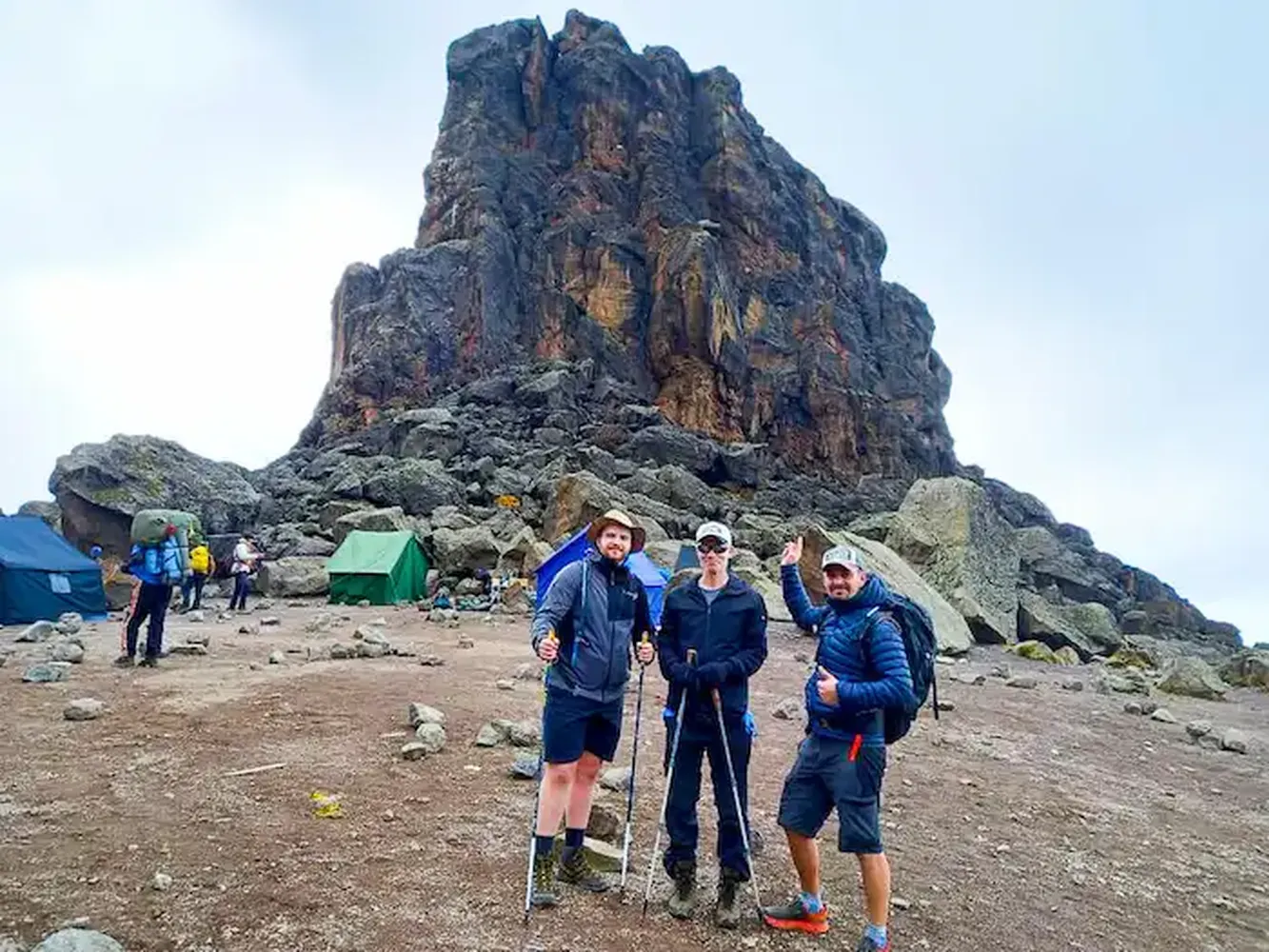
Deciding on a 6 day vs 7 day kilimanjaro machame route package is one of the most critical structural decisions you will make when planning your trek up Africa's highest peak. While both packages guide you along the exact same beautiful pathways, steep ridges, and scenic ecosystems, they handle elevation changes and physical recovery differently. The fundamental variable that separates these two options is how they distribute altitude gain, which directly influences your physical comfort, safety margin, and likelihood of standing on Uhuru Peak.
Understanding these subtle operational details before booking avoids structural pitfalls on the mountain. Bypassing an extra night might lower your initial booking fee, but it shifts a heavier cardiorespiratory burden onto your shoulders during the decisive summit push. The choice is a classic trade-off between immediate fiscal savings and the long-term biological realities of high-altitude adaptation.
The Structural Difference Explained
Geographically, both the 6-day and 7-day iterations of the Machame Route span a total trekking distance of roughly 62 kilometers (37 miles) from the park boundary gate to the final exit point. They use identical trails to ascend the western side of Mount Kilimanjaro, cross beneath the dramatic Southern Icefield, and descend down via the Mweka trail layout.
The core structural deviation happens on Day 4 of the climb. In a standard 7-day Machame blueprint, the trek from the stunning Barranco Camp to the high launch site at Barafu Camp is broken into two distinct parts by inserting an overnight rest at Karanga Camp (4,000 meters / 13,123 feet). Conversely, the 6-day package completely compresses this sequence. It skips the overnight stay at Karanga Camp entirely, forcing climbers to trek past it and push straight into the thin atmosphere of the high base camp on the exact same afternoon.
Key Insight: The 6-day option is not a shorter path; it is simply a faster, more physically relentless timeline over the exact same geological landscape.
Read More: The Evolution of the Machame Route
Originally engineered to relieve tourist pressure from the eastern Marangu Route, the Machame ("Whiskey") Route was designed specifically to maximize natural acclimatization by undulating over rugged ridges. In early mountaineering years, the 6-day option was considered standard for rugged alpine clubs. However, as global tourism expanded to include casual hikers and adventure enthusiasts, international medical guidelines prompted operators to introduce the 7-day variation. This adjustment added Karanga Camp as a mandatory biological rest stop to mitigate the rising incidences of severe pulmonary and cerebral edema witnessed among rapidly ascending climbers.
Summit Success Rates & Safety Factors
The primary medical issue encountered on Mount Kilimanjaro is not physical muscle failure; it is Acute Mountain Sickness (AMS) caused by rapid altitude changes. Giving your body a greater amount of time to adjust to diminishing oxygen levels allows your internal systems to naturally scale up red blood cell production.
This single omitted recovery day produces a major mathematical gap in recorded summit outcomes across international trekking operators. When you bypass Karanga Camp, your body misses out on nearly 24 hours of stable physiological adjustment at 4,000 meters. This leaves your system highly vulnerable when exposed to the extreme 4,600-meter atmosphere of the ultimate base camp.
| Metric | 6-Day Machame | 7-Day Machame |
|---|---|---|
| Success Rate | 60% - 80% | 85% - 95% |
| Karanga Camp Rest | Skipped (Lunch Only) | Full Overnight Stay |
| Summit Fatigue | High / Pre-exhausted | Managed / Better Rested |
| Hypoxia Risk Index | Elevated / Critical Risk | Moderate / Controlled Risk |
| Ideal Climber | Experienced / Very Fit | Beginners / Everyone |
By splitting the journey across the southern circuit into two phases, the 7-day package perfectly adheres to the golden high-altitude mountaineering strategy: "Climb high, sleep low." Stripping that buffer away on the 6-day itinerary means you arrive at Barafu Camp late in the evening with elevated physical exhaustion, giving you only a tiny three-to-four-hour sleep window before you are woken up at midnight to begin the grueling 1,295-meter vertical push to the frozen rim of Uhuru Peak. To prepare your body effectively, it is highly recommended to study how to increase your mount kilimanjaro summit success rate beforehand.
Read More: Understanding AMS and High-Altitude Safety Limits
At the summit of Mount Kilimanjaro, the effective oxygen percentage remains 21%, but the barometric pressure drops to less than half of sea-level values, meaning each breath delivers roughly 49% fewer oxygen molecules. When a climber bypasses the night at Karanga Camp, the body lacks the vital hours required to trigger arterial oxygen saturation adaptations. The consequence is an increased risk of clinical AMS, which can degenerate rapidly into High Altitude Pulmonary Edema (HAPE) or High Altitude Cerebral Edema (HACE). Mountain search and rescue data indicate that over 70% of emergency helicopter and stretcher evacuations initiated from Barafu Base Camp involve climbers who opted for shorter, compressed multi-day itineraries.
The Deep Science of High-Altitude Acclimatization
To understand why one extra day exerts such an immense impact on your success, we must examine human respiratory physiology. When climbing past 3,500 meters, the decrease in atmospheric pressure induces a state called hypoxia. The human body responds to this deficit through several highly orchestrated physiological mechanisms:
- Hyperventilation: Driven by peripheral chemoreceptors, your breathing rate increases naturally to draw in more air.
- Erythropoietin (EPO) Surge: Your kidneys detect lowered oxygen and secrete the hormone EPO, stimulating bone marrow to build more oxygen-carrying red blood cells.
- Blood Plasma Shifts: The body actively drops its total blood plasma volume to concentrate the density of hemoglobin molecules in the remaining fluids.
These complex adaptations demand a critical resource: time. The 7-day Machame schedule gives the body a biological plateau at Karanga Camp to consolidate these chemical changes. Before scheduling your climb for any duration, make sure to read our detailed guide on how to choose the best month to climb mount kilimanjaro so that weather and rain patterns do not disrupt your performance.
Daily Itinerary & Camp Breakdowns
To help visualize how these changes translate to real field experiences, review this comparative breakdown of the daily trekking routes:
The 7-Day Machame Route Timeline
- Day 1: Machame Gate (1,640m) to Machame Camp (2,835m)
Distance: 11 km | Time: 5–7 hours. A gradual introduction through dense, humid montane rainforest filled with endemic flora and fauna. - Day 2: Machame Camp to Shira 2 Camp (3,850m)
Distance: 5 km | Time: 4–6 hours. A steep, rocky trail out of the forest canopy up into the giant heather moorland zone. - Day 3: Shira 2 Camp to Lava Tower (4,630m) then down to Barranco Camp (3,900m)
Distance: 10 km | Time: 6–8 hours. A crucial acclimatization milestone. You touch the cold alpine desert zone before descending down into the sheltered Barranco Valley. - Day 4: Barranco Camp across the Barranco Wall to Karanga Camp (4,000m)
Distance: 5 km | Time: 4–5 hours. An exciting morning scrambling over the massive wall, followed by an easy afternoon resting at the camp. - Day 5: Karanga Camp to Barafu Base Camp (4,673m)
Distance: 4 km | Time: 3–4 hours. A steady hike across a barren landscape, arriving early for a long afternoon of eating, hydrating, and sleeping. - Day 6: Barafu Camp to Uhuru Peak (5,895m) and down to Mweka Camp (3,100m)
Distance: 15 km | Time: 12–15 hours. The ultimate midnight summit push, followed by an extended descent out of the freezing zones. - Day 7: Mweka Camp to Mweka Gate (1,640m)
Distance: 10 km | Time: 3–4 hours. A final, pleasant downhill stroll through the lower rainforest to collect park certificates.
Read More: Detailed Insights Into the 6-Day Itinerary Compression
The shorter 6-day profile mirrors Days 1 through 3 exactly, ensuring you complete the vital acclimatization trial at Lava Tower. However, the compression completely restructures the fourth day. On Day 4 of the 6-day schedule, you wake up at Barranco Camp and conquer the iconic Barranco Wall. But instead of concluding your day at Karanga Camp for hot tea and rest, you pause only for a quick, cold trail lunch packed in your daypack. You then immediately push up across the steep, exposed valleys of the high alpine desert toward Barafu Camp. This creates a demanding 9.5-kilometer march with over 800 meters of vertical ascent, exhausting your structural reserves right before the midnight summit run.
Terrain Challenges and Psychological Milestones
The physical landscape of Kilimanjaro shifts dramatically through five distinct climate zones: Cultivated land, Rainforest, Heath/Moorland, Alpine Desert, and the Ice-capped Arctic Summit. The Machame route showcases this variety perfectly, but it tests your mental grit along the way. Navigating these environments safely means you must understand medical boundaries, which you can learn about in our overview on how to pass the medical check before climbing mount kilimanjaro.
The ultimate psychological challenge is the infamous Barranco Wall—a near-vertical 257-meter volcanic rock face. It requires no technical climbing experience, but it does demand basic rock scrambling, balance, and a clear head for heights. In the 7-day variation, summiting the Wall feels rewarding because you drop down into Karanga Camp right afterward to celebrate and relax. In the 6-day variation, cresting the Wall is merely the starting point of an exhausting, endless day of uphill hiking, which can occasionally induce mental fatigue and discouragement.
Financial Investment & Budgeting
From an optimization standpoint, upfront trip cost shouldn't be your only metric, but it is an undeniable factor. A 6-day package saves money because it eliminates one full day of mandatory national park conservation fees, camping fees, and daily crew salaries. If you want to invest your savings into top-tier comforts on the mountain, read our guide on how to select the best luxury kilimanjaro machame route package.
On average, choosing the 6-day Machame profile trims down your invoice by roughly $500 to $800 USD per climber compared to a 7-day variation with a matching tier operator. However, professional mountain guides view this as a false economy. Spending thousands on long-distance flights, Tanzanian visas, specific cold-weather gear, and months of training only to turn around short of the summit due to altitude sickness represents a massive financial and emotional loss. If you need to cut costs without reducing your mountain safety days, look into practical tips such as how to rent cheap hiking gear in moshi for mount kilimanjaro.
Read More: Tipping and Hidden Mountain Expenses
When budgeting for Kilimanjaro, remember that tipping your mountain support crew is a standard industry custom separate from your base package cost. A standard crew for a single climber consists of 1 lead guide, 1 assistant guide, 1 chef, and anywhere from 3 to 4 porters. Because the 7-day itinerary requires your crew to work and carry heavy loads for an extra 24 hours, the total recommended tip pool increases by approximately $150 to $250 USD overall. When analyzing your budget, weigh this financial difference against the steep costs of an unexpected medical descent or helicopter rescue, which can quickly run into thousands of dollars if not fully covered by your specialized travel insurance policy.
Crew Dynamics, Porter Logistics, and Load Distributions
The logistical reality behind a Kilimanjaro trek relies heavily on the incredible efforts of your mountain crew. On a 7-day trek, porters can move at a steady pace, setting up camp, boiling drinking water, and preparing hot meals ahead of your arrival at Karanga Camp. This systematic approach allows the team to maintain high health and morale standards.
On the compressed 6-day package, the crew must perform a strenuous double-march on Day 4. They carry 20-kilogram loads over the Barranco Wall and straight up to Barafu Camp without an intermediate rest day. This rapid pacing leaves less time for setting up shelters and preparing meals before nightfall. Choosing the 7-day option naturally offers a more sustainable and ethical pace for the local Tanzanian crew supporting your journey.
How to Make the Final Decision
To pinpoint which specific package aligns with your background, evaluate yourself against these clear indicators:
When to Choose the 6-Day Machame Package
- You have previously slept above 4,000 meters and know your body adapts to thin air quickly without severe issues.
- You possess high levels of cardiorespiratory physical fitness and excellent leg endurance for back-to-back long trail days.
- Your vacation timeframe is incredibly tight, and you cannot expand your schedule by an extra 24 hours.
When to Choose the 7-Day Machame Package
- This is your first major expedition above 4,500 meters or you currently reside at sea level.
- You prefer a less punishing, more rhythmic hiking experience where you can enjoy the wilderness landscape and take photos.
- Your absolute priority is maximizing your summit probability safely, minimizing the chance of an unexpected emergency evacuation.
Frequently Asked Questions
Can a beginner climb the 6-day Machame route?
While technically possible under perfect weather conditions with an excellent guide, it is highly discouraged. Beginners lack insight into how their bodies react to severe hypoxia (oxygen deprivation), making the 7-day schedule far more appropriate.
Does the 6-day package skip the famous Barranco Wall?
No, both variations scramble over the iconic Barranco Wall on the fourth morning of the trek. The difference is that the 6-day package requires you to keep walking past the next valley instead of resting after the scramble.
Are the nightly campsites identical for both options?
They match perfectly with the single exception of Karanga Camp, which is only used as a sleep destination on the 7-day itinerary. All other points—Machame, Shira, Barranco, Barafu, and Mweka—are used equally by both packages.
What gear changes are required between the 6-day and 7-day options?
The gear list remains identical because both routes cross into the freezing arctic summit zone. You will need a four-season sleeping bag, thermal base layers, a down summit jacket, waterproof outer shells, and broken-in trekking boots. The only difference is packing one extra day of wet wipes, battery power bank capacity, and personal snacks for the 7-day itinerary.
Scientific References & Authority Sources
To ensure high informational accuracy and authority regarding your wilderness preparation, our content is strictly compiled based on global mountaineering and medical data resources:
- High Altitude Medicine & Biology Journal: Peer-reviewed statistical research evaluating blood oxygen saturation profiles and safe vertical ascent speeds. For professional diagnostic definitions on high altitude sickness, visit the Centers for Disease Control and Prevention (CDC) official travel guidelines.
- Kilimanjaro National Park Authority (KINAPA): Historical park registration documents and monitoring data matching success statistics across multi-day variations.
- The Wilderness Medical Society (WMS): Clinical practice consensus guidelines for the prevention, diagnosis, and therapeutic management of acute altitude illnesses.