





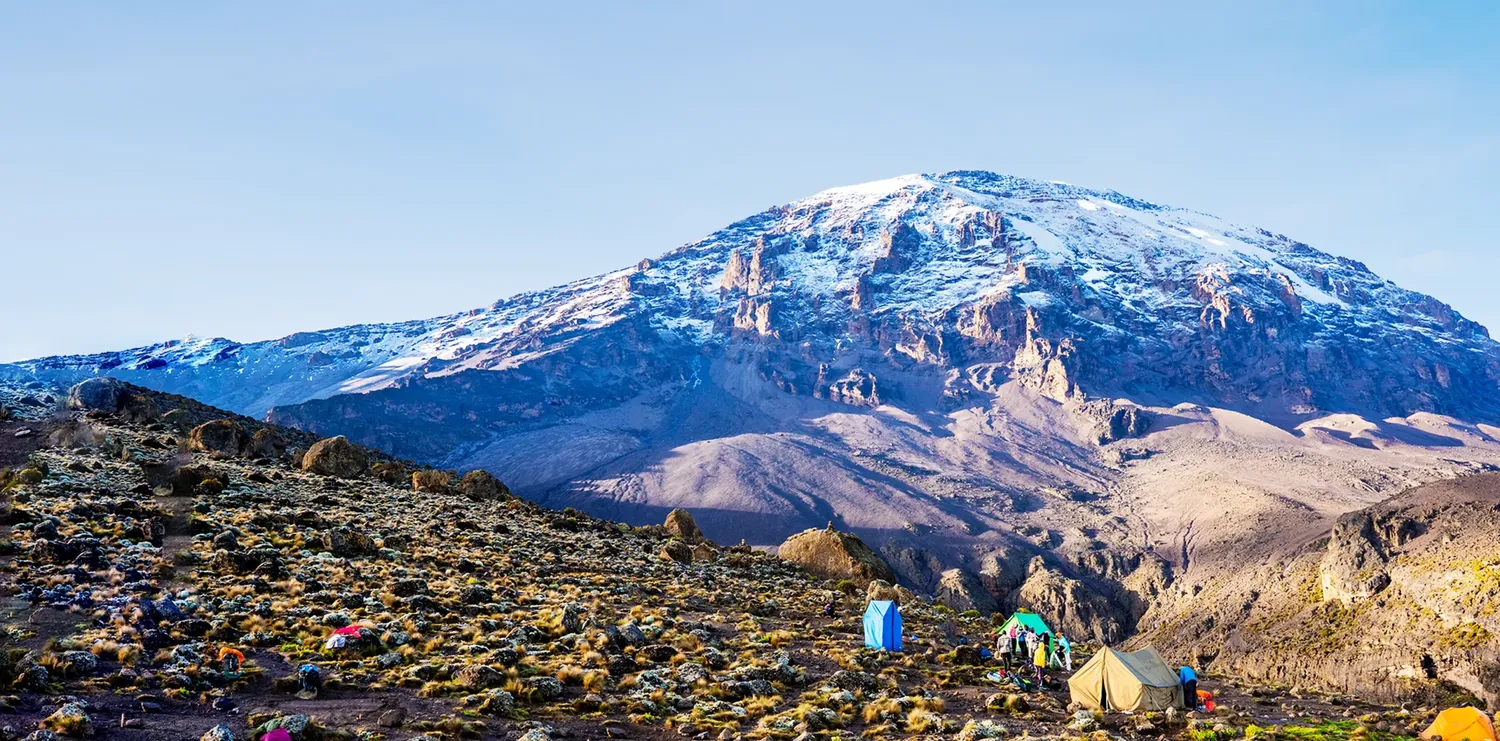
Standing at 5,895 meters (19,341 feet), Mount Kilimanjaro is the highest peak in Africa and the tallest free-standing mountain in the world. While it requires no technical climbing skills, thousands of trekkers fail to reach Uhuru Peak every year due to acute mountain sickness (AMS) and poor preparation. Figuring out how to increase your mount kilimanjaro summit success rate involves a combination of data-driven planning, physical preparation, and choosing the right local support system.
Understanding Kilimanjaro Success Rates
Official statistics from the Kilimanjaro National Park (KINAPA) suggest that the overall average success rate across all climbers is roughly 65% to 70%. However, this number drastically changes based on the length of the itinerary. Shorter 5-day itineraries often drop below a 50% success rate, while longer 8-day routes yield success rates upwards of 85% to 90%.
To maximize your performance, proper metric comparisons highlight why more time spent on the mountain saves lives and guarantees reaching the peak. Rushing up a peak of this magnitude without respecting physiological boundaries is the single most common cause of evacuation.
| Itinerary Length | Estimated Success Rate | Primary Risk Factor |
|---|---|---|
| 5 Days | < 50% | Severe Lack of Acclimatization |
| 6 Days | 60% - 70% | Rapid Altitude Gain Pace |
| 7 Days | 80% - 85% | Moderate Adaptability Window |
| 8+ Days | 90% + | Minimal Risk of Sudden AMS |
The Core Difference (Distance vs. Pace)
When analyzing how to increase your mount kilimanjaro summit success rate, you must understand that the total horizontal distance of the trail remains identical regardless of whether you choose a short or long itinerary. The core difference lies completely in your daily pace and altitude upward velocity. Spreading the distance over more days ensures that your muscles do not generate excessive lactic acid early in the trek.
On a compressed schedule, you are forced to cover more vertical meters per day, pushing your cardiovascular system past its sustainable aerobic limit. A longer trek spreads this identical geographic footprint over manageable daily shifts, reducing physiological strain. This subtle variation in pace prevents systemic collapse and allows your energy reserves to remain functional for the final ridge push.
The acceleration of vertical gain on shorter itineraries forces the human heart to work significantly harder even during flat sections of the trail. When the body is forced to push upward past its threshold without proper breathing windows, muscular recovery becomes near impossible under freezing temperatures. A managed pace, however, keeps the body in an aerobic zone where fat is burned as primary fuel instead of precious muscle glycogen stores.
Furthermore, psychological fatigue sets in much faster when a climber realizes they are constantly playing catch-up against a aggressive daily itinerary. The sheer volume of continuous physical strain impacts sleep patterns at night, creating a compounding cycle of exhaustion. Choosing a longer itinerary directly mitigates this pattern, preserving both physical tissue stability and mental grit for the absolute final peak challenge.
By treating the mountain as a long-term endurance expedition rather than a short athletic race, you allow your structural joints and connective tissues to adapt to the constant weight of your daypack. This prevents early knee or ankle strain from ending your journey before you even catch sight of the spectacular high-altitude volcanic landscape.
The Science of Altitude Acclimatization
At the summit of Kilimanjaro, the effective atmospheric oxygen level drops to approximately 49% of what is available at sea level. The human body can adapt to this extreme hypoxia through a complex sequence known as altitude acclimatization. This adaptation includes hyperventilation to increase oxygen intake, elevated heart rates, and shifts in pH levels inside the blood plasma to keep organs functioning.
This process demands time. Your kidneys must secrete erythropoietin (EPO) to stimulate the bone marrow to produce more red blood cells, expanding your blood's oxygen-carrying capacity. Truncating this physiological window directly induces cellular oxygen starvation, leading to rapid performance drops, extreme mental confusion, and immediate physical failure at high camps.
When atmospheric pressure decreases, the partial pressure of oxygen drops proportionally, making it harder for your lungs to push oxygen across the pulmonary membranes into your bloodstream. To compensate, the body undergoes acute adaptations within the first 48 hours, but these temporary measures are highly inefficient and drain massive amounts of raw metabolic energy from your cells.
Long-term cellular adaptation involves structural changes, including an increase in capillaries within muscle tissues and an upregulation of 2,3-bisphosphoglycerate inside red blood cells, which helps release oxygen directly to starving tissues. These changes cannot be rushed by physical fitness; an Olympic athlete will fail just as quickly as a casual hiker if their blood chemistry is not given the mandatory calendar hours to adapt to the thin air.
Without these deep physiological alterations, continuing an upward push into extreme altitudes risks triggering systemic shock. As arterial oxygen saturation ($SpO_2$) plunges below healthy thresholds, vital organs begin prioritizing survival over physical locomotion, causing the climber to experience severe weakness and an inability to maintain balance on basic trail terrain.
The Role of Karanga Camp in the 7-Day Route
The insertion of Karanga Camp (4,035 meters) is the definitive tactical advantage of the 7-day Machame schedule. In a standard 6-day trek, hikers must bypass this valley completely, marching directly from the top of the Barranco Wall straight to Barafu Base Camp in a grueling, exhausting combined push that drains physical reserves entirely before the real climb begins.
The 7-day variant stops at Karanga Camp for an intermediate night. This strategically breaks up the vertical gain, offering an entire extra afternoon of rest and a crucial low-stress night of sleep before tackling the steep scree of the final base camp ridge. This intermediate sleeping altitude acts as an ideal physiological stepping stone for your red blood cells.
By spending a dedicated night at Karanga Camp, climbers allow their bodies to stabilize at the critical 4,000-meter threshold before moving into the high alpine desert zone. This extra night prevents the rapid compounding of altitude-induced headaches and digestive issues, which commonly disrupt a climber's ability to consume food and maintain hydration levels.
The afternoon spent at Karanga is typically relaxed, allowing trekkers to rest in their tents, rehydrate with warm teas, and process the intense physical efforts of scrambling over the rugged terrain earlier in the day. This rest window is vital for cellular repair, allowing leg muscles to shed accumulated waste products before confronting the steep incline leading to Barafu.
Skipping this structural camp forces a climber to face a massive, multi-hour uphill trek immediately after a stressful morning climb. This creates a state of deep energy depletion that is incredibly difficult to recover from while sleeping at the even higher, colder elevations of the primary base camp.
The Barranco Wall Challenge and Recovery Time
The infamous Barranco Wall stands as a magnificent 257-meter volcanic rock scramble that tests balance, focus, and mental stamina early in the morning. While it does not require formal mountaineering tools like ropes or harnesses, it demands total full-body exertion and precise placement of hands and feet along narrow rocky pathways.
The structural advantage of a 7-day climb is realized immediately after scaling the wall. Instead of continuing onward for several more punishing hours to the high base camp, 7-day trekkers drop down into the Karanga Valley for a recovery lunch, allowing their sore muscles, overtaxed lungs, and psychological state ample time to recover from the intense physical exertion.
The physical act of navigating the Barranco Wall triggers an adrenaline spike due to its exposed ridges and steep drops. This heightened state of mental alertness, while helpful for safety, consumes vast amounts of neural energy and leaves climbers feeling physically drained once they reach the top crest of the wall.
Having a short trekking day that concludes shortly after this challenge ensures that the nervous system can return to a restful state. This recovery prevents chronic stress-induced fatigue, which can impair immune function and slow down the body's natural processes of acclimatization to the thin, cold air of the upper mountain.
In contrast, those who are on a shorter timeline must immediately gather their gear at the top of the wall and begin an immediate descent into a valley followed by another steep, punishing climb out. This continuous physical pounding without a proper rest window significantly increases the risk of joint injuries and early physical exhaustion.
Summit Success Rates Comparison
The quantitative data surrounding summit outcomes provides undeniable proof for choosing your timeline wisely. Independent data sets tracking thousands of international trekkers outline a clear divergence between the two formats. Rushing up is statistically correlated with a higher rate of immediate mountain descent.
The 6-Day Machame Route records an average historical success rate hovering between 60% and 70% due to sudden altitude fatigue. On the other hand, the 7-Day Machame Route boosts the verified statistical average upward into the 80% to 85% bracket. This massive variance confirms that adding a single 24-hour period to your schedule yields a net statistical advantage of nearly 20% in your favor.
When these statistics are analyzed closely, the correlation between time on the mountain and successful summit crossings becomes clear. Climbers who drop out on the 6-day route typically do so during the final transition between high base camp and the rim of the volcano, where the physiological demands become most acute.
The extra day built into the 7-day itinerary directly minimizes these emergency descents by ensuring fewer climbers cross into the danger zone of severe hypoxia. This data underscores that high-altitude success is predominantly an architectural problem of schedule design rather than a reflection of individual physical toughness or willpower.
Choosing a route with lower success percentages means willingly accepting a much higher probability of experiencing medical evacuation. By investing in the longer timeline, you align your expedition with proven safety and success parameters that maximize your chance of a rewarding journey.
Energy Levels on Summit Night
Summit night begins abruptly at midnight in sub-zero freezing dark conditions. To conquer the final 1,200 vertical meters of loose volcanic scree to Uhuru Peak, your body requires peak glycogen storage, sound mental clarity, and fully rested muscle tissue. Any lingering physical debt from the previous days will manifest as severe physical slowing.
Trekkers on a 6-day schedule arrive at this critical midnight launchpad already exhausted from the previous day's continuous double-march. In contrast, 7-day climbers start their midnight push with fresh legs, steady heart rates, and a full reservoir of metabolic energy, which keeps them moving efficiently through the bitter cold and howling summit winds.
The atmospheric temperature during this final phase routinely drops well below zero, forcing the human body to expend significant caloric energy simply to maintain its core temperature. If a hiker is already starting with depleted metabolic reserves, they will find themselves shivering uncontrollably as their circulation struggles to reach their extremities.
This lack of thermal regulation quickly leads to cold injuries such as frostnip in fingers and toes, forcing an immediate retreat for safety reasons. Furthermore, a well-rested brain can maintain better focus on breathing rhythms and step pacing, both of which are essential for navigating the steep, loose scree fields in the dark.
By protecting your energy reserves during the preceding days via an extended itinerary, you ensure that your body has the metabolic fuel necessary to generate heat and sustain muscle movement over the six to eight hours of continuous uphill climbing required to reach the rim.
Altitude Sickness (AMS) Risks and Prevention
Acute Mountain Sickness (AMS) is an absolute, non-negotiable threat on Kilimanjaro. Mild symptoms include throbbing headaches, nausea, loss of appetite, and dizziness. Left unchecked, AMS can rapidly degenerate into life-threatening conditions like High Altitude Pulmonary Edema (HAPE) or High Altitude Cerebral Edema (HACE) which require immediate evacuation.
Preventative care starts with a slower ascent rate. Slowing down your itinerary dramatically lowers the clinical incidence of severe mountain sickness, giving your brain and respiratory tissues the breathing room needed to safely balance internal pressures. Prophylactics like Diamox can assist, but time remains the ultimate cure on any high-altitude peak.
HAPE occurs when fluid accumulates in the lungs' air sacs, making it progressively harder to breathe, while HACE involves fluid swelling the brain tissue, leading to ataxia, severe confusion, and eventually coma. Both conditions are direct results of severe oxygen deprivation caused by ascending too high, too fast.
The most effective strategy to prevent these medical emergencies is to build a conservative timeline that allows the body to adapt naturally. Mountain guides monitor climbers closely for signs of worsening AMS, and having an extra day in the itinerary provides a vital safety buffer that allows minor symptoms to clear before advancing further upward.
Attempting to power through severe symptoms without giving the body time to acclimatize is a critical mistake that frequently results in emergency descents on stretchers or via helicopter rescue, ending the trek abruptly and safely bringing a climber back to lower elevations.
Daily Trekking Hours Breakdown
Your daily physical strain depends heavily on your specific trail schedule. On a 6-day itinerary, Day 4 requires a punishing 8 to 10 hours of continuous trekking across multiple distinct micro-climates, leaving you with little time to recuperate before the midnight summit push. This sets up a dangerous scenario for physical breakdown.
On a 7-day itinerary, this exact stretch is divided into two distinct, comfortable blocks of 4 to 5 hours each, preventing systemic physical exhaustion and reducing muscle strain. This allows climbers to reach the high camp early, eat a hot meal, and sleep for several hours before their warm gear is packed for the final peak attempt.
Shorter daily stages also mean that trekkers arrive at camp well before the late afternoon temperature drops and mountain rains or snow typically set in. This allows climbers to change into dry clothes and remain warm inside their tents, rather than pushing through challenging weather while exhausted on the trail.
The reduced time on the trail each day also directly impacts fluid balance. Pushing hard for ten hours straight makes it very difficult to consume enough water to match sweat and respiratory losses in dry mountain air. A five-hour trekking day makes it much easier to maintain hydration, ensuring optimal blood volume and circulation.
This balanced approach to daily mileage ensures that physical fatigue does not compound heavily from one day to the next, allowing your body to enter a deeper state of recovery each evening and maintaining your physical readiness for the summit attempt.
Comprehensive Cost Analysis (TANAPA Fees & Crew Wages)
Every single extra day spent inside the borders of Kilimanjaro National Park incurs real statutory expenses. Tanzania National Parks Authority (TANAPA) levies fixed daily fees per climber, which cover mandatory conservation fees ($70), camping fees ($50), and rescue fees ($20), alongside local VAT taxes which must be paid upfront.
Additionally, an extra day requires paying your mountain crew their daily wages, covering your lead guide, assistant guides, specialized cook, and an array of supporting porters. This makes a longer trek inherently more expensive up front, but it remains far cheaper than booking an entire second trip if you fail due to a rushed timeline.
These park fees are fixed by the government and are non-negotiable for any licensed tour provider operating on the mountain. When evaluating package options, an unusually low price often indicates that a company is either shortening the itinerary to save on daily fees or underpaying their supporting crew staff.
Investing in a fully compliant, longer itinerary guarantees that all required statutory permits are properly secured and that your mountain crew receives fair compensation for their hard physical labor. This ethical approach ensures a safer, well-supported expedition where everyone is focused on helping you reach the peak safely.
Ultimately, factoring these daily operational costs into your initial budget prevents unexpected logistical issues on the ground and allows you to select an itinerary that prioritizes safety and acclimatization, maximizing your overall chance of success.