





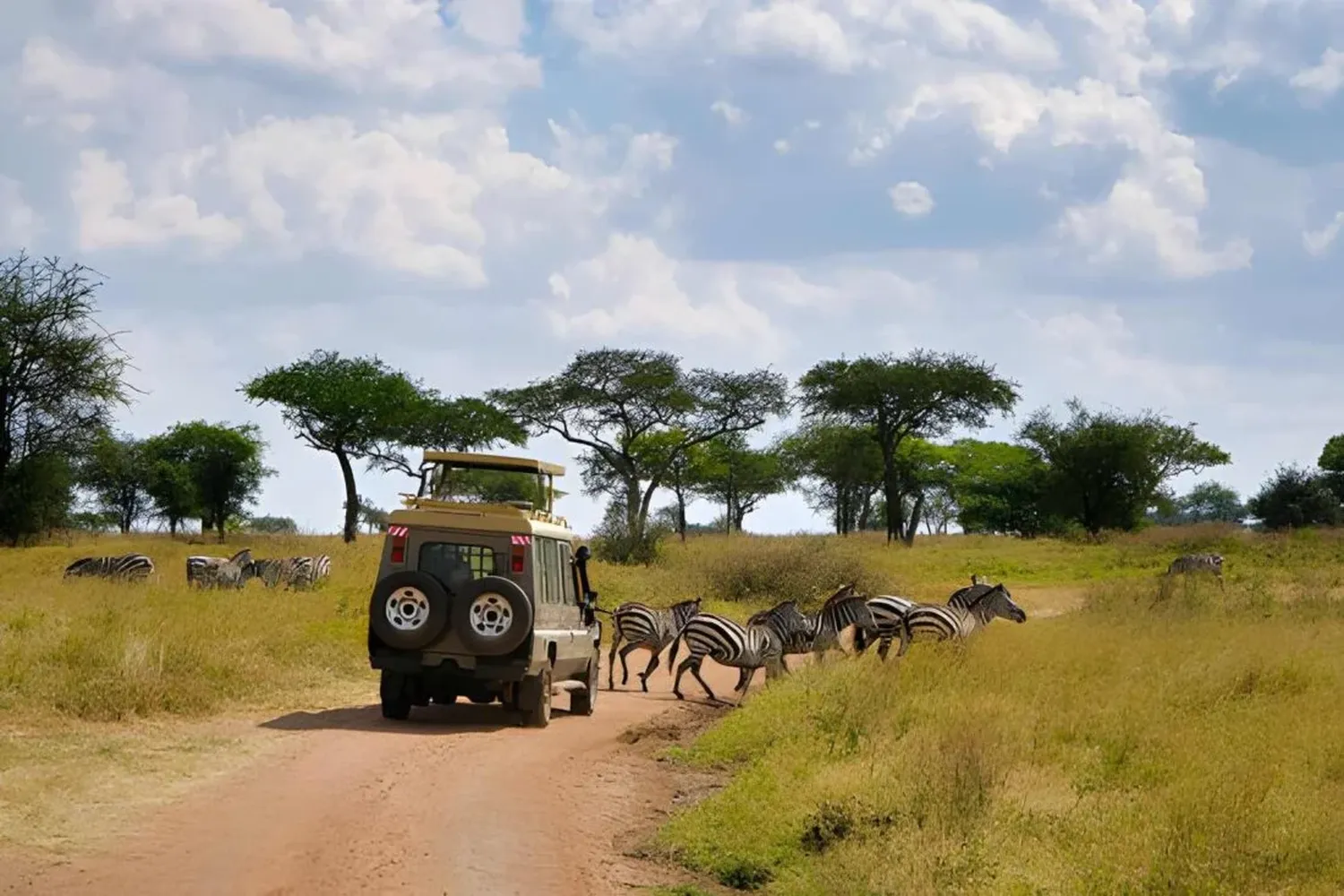
While the famous northern parks draw hundreds of thousands of travelers annually, mastering how to plan a Tanzania Southern Circuit safari to avoid crowds unlocks a raw, untamed wilderness. The southern parks present expansive landscapes where your safari vehicle is often the only one in sight. This practical blueprint unpacks how to coordinate logistics, estimate actual financial investments, select isolated game reserves, and integrate remote wilderness paths for an uncrowded African adventure.
Why the Southern Circuit Beats the Crowded North
Tanzania's tourism landscape is naturally split into two zones. The Northern Circuit (Serengeti, Ngorongoro) hosts nearly 80% of total leisure travelers, which can cause traffic clusters around big cat sightings. By contrast, learning how to plan a Tanzania Southern Circuit safari to avoid crowds drops you into vast regions with few lodges and vast spaces between them.
Instead of watching lions alongside twenty other open-top land cruisers, the southern wilderness offers quiet wildlife viewings. These parks are less developed, which preserves a real feeling of old-world exploration. Furthermore, the south allows immersive activities banned in most northern parks, such as extensive river boat safaris and long, deep-bush night drives.
The Essential Southern Circuit Parks Map
To construct a crowd-free itinerary, you must grasp the spatial layout and unique traits of the three core southern strongholds:
- Nyerere National Park (formerly Selous): Africa's largest stand-alone game reserve, dominated by the Rufiji River system. It is perfect for spotting massive schools of hippos, sunbathing crocodiles, and the rare African wild dog. You can easily pair this with specialized treks if you read up on how to experience a truly regenerative eco safari in Tanzania.
- Ruaha National Park: A hot, semi-arid eco-zone hosting roughly 10% of the world’s remaining lions. Its dry landscape features ancient baobab trees and giant elephant herds moving along the Great Ruaha River.
- Mikumi National Park: Flanked by the Uluguru Mountains, this park provides accessible floodplain game viewing, making it a great initial stepping stone before heading into deeper backcountry areas.
| National Park | Key Edge | Crowd Level |
|---|---|---|
| Nyerere (Selous) | Rufiji River Boat Cruises | Very Low |
| Ruaha | Massive Predator Concentrations | Extremely Isolated |
| Mikumi | Easy Highway Access | Moderate (Weekends) |
Step-by-Step Logistics and Route Planning
Executing a seamless southern journey requires careful coordination of transport, seasonal variations, and park infrastructure. Because these reserves are vast and less commercialized than their northern counterparts, poor planning can result in lost days spent in transit. Use this detailed, operational sequence to structure an optimized, crowd-free itinerary:
Real Costs and Budgeting Framework
Southern Circuit safaris carry a higher baseline operational cost than budget northern group tours. This price difference is structural: the south hosts small-scale, eco-friendly tented camps rather than massive 100-room hotels, and there are very few shared public shuttle options. Group departures are rare, meaning most overland trips use private vehicles.
Expect to invest between **$350 to $700 USD per person, per day** for a well-vetted, reliable mid-range southern itinerary. If you scale up to luxury fly-in permanent luxury camps, costs can range between **$900 to $1,500 USD per day**. This investment covers high-clearance, custom-built 4x4 safari vehicles, mandatory daily conservation park entry fees (which range from $30 to $70 USD per day excluding VAT depending on the specific park), and full-board accommodation. If you want to integrate modern green travel initiatives into your budget, review our breakdown on how to find tour operators using electric safari vehicles in Tanzania to minimize your carbon footprint and experience near-silent game drives.
Insider Rules to Evade Safari Clusters
Even within low-density parks, standard lodge routines can occasionally create small clusters at major river crossings during peak morning hours. To completely protect your sense of exclusive discovery, instruct your tour operator to implement these three tactical adjustments:
- Book Unfenced Private Wildlife Concessions: Look for community-owned Wildlife Management Areas (WMAs) or private concessions directly bordering the boundaries of Ruaha and Nyerere. These special buffer zones enforce strict caps on total daily vehicle numbers and allow exclusive off-road tracking, bush walks, and spot-lit night game drives that are legally restricted inside the main national parks.
- Request All-Day Bush Lunches to Beat the Midday Rush: The vast majority of safari packages follow a rigid schedule: a morning drive, a return to camp at 11:30 AM for hot lunch, and a return to the bush at 3:30 PM. By requesting a packed, high-quality picnic bush lunch, you can remain deep in the backcountry plains during the quiet 11:30 AM to 2:30 PM window. This is exactly when waterholes are completely abandoned by other vehicles, yet highly active with wildlife coming down to drink in the midday heat.
- Combine Remote Tracks with Hidden Wilderness Nodes: Work exclusively with independent operators who specialize in custom routes rather than fixed tourist itineraries. You can find excellent planning frameworks and operator vetting checklists by looking into how to discover off-the-beaten-path Tanzania tours for a unique adventure.
In remote parks like Ruaha, the landscape is defined by vast tracts of ancient baobabs where large elephant herds migrate completely undisturbed by heavy tourism traffic, as shown below:
Frequently Asked Questions
Is the Southern Circuit safe for solo travelers?
Yes, it is exceptionally safe. Because the southern properties focus heavily on low-impact, small-scale luxury or mid-range permanent camps, the hospitality model is highly personalized. Solo travelers receive dedicated attention from resident guides, camp managers, and spotters, making it a secure environment for independent adventurers.
Can I easily combine a southern safari with Zanzibar?
Absolutely. Regional wilderness carriers like Coastal Aviation and Safari Air Link operate daily scheduled flight connections linking Zanzibar International Airport (ZNZ) directly with bush airstrips in Nyerere and Ruaha. You can easily watch lions in the morning and relax on the white sand beaches of Zanzibar by mid-afternoon.
What is the biggest difference in wildlife between North and South?
The Southern Circuit represents a unique biological transition zone where eastern and southern African ecological biomes overlap. This means you can spot unique southern species like Greater Kudu, Sable Antelope, and Roan Antelope in the exact same river systems that support massive apex predator concentrations and large lion prides typically associated with East Africa.
Conclusion: Plan Early to Secure True Wilderness Isolation
Figuring out how to plan a Tanzania Southern Circuit safari to avoid crowds guarantees a quiet, authentic glimpse of wild Africa. By bypassing the busy northern tracks and booking small, eco-conscious bush camps in Ruaha or Nyerere, you secure an exclusive wildlife experience. Work alongside a dedicated local tour provider, choose fly-in transport links when budget permits, and immerse yourself in the deep, uncrowded silence of southern Tanzania's wild country.
To ground these strategic choices in independent conservation metrics, consult the comprehensive conservation updates and zoning frameworks on the official Tanzania National Parks Authority (TANAPA) platform.