





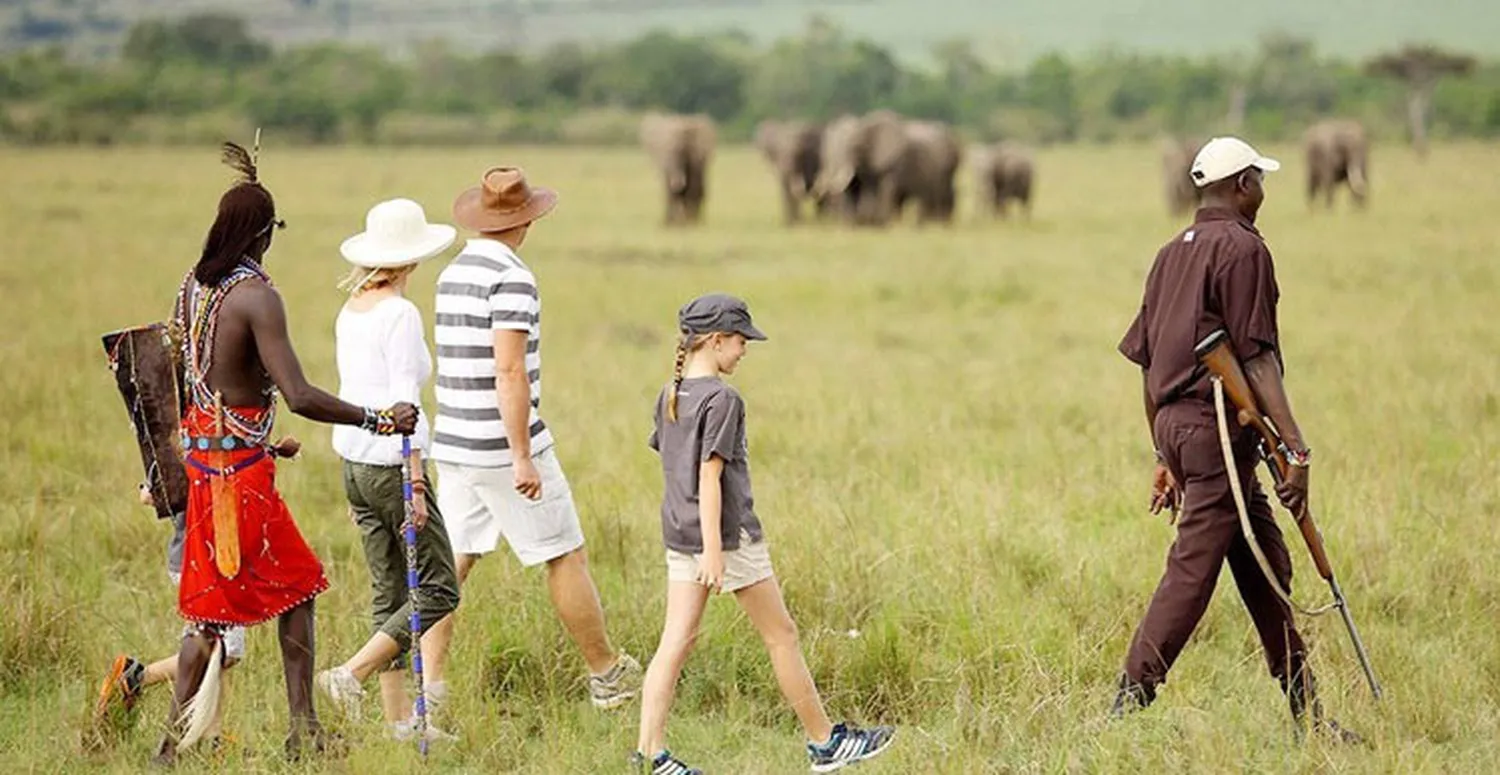
Stepping out of a traditional 4x4 safari vehicle and placing your boots directly onto the ancient African soil changes your entire perspective of the wilderness. A walking safari connects you intimately with the raw pulse of nature, exposing the subtle tracking signs, micro-ecosystems, distinctive sounds, and authentic scents of the bush that are inherently missed during standard motorized game drives. However, traversing vast landscapes populated by Africa's apex predators and massive megafauna demands exceptional planning, highly specialized logistics, and uncompromising adherence to safety frameworks. If you are trying to understand how to book the best Tanzania walking safari packages safely, this comprehensive, highly detailed blueprint maps out the critical legal regulations, destination parameters, operator vetting criteria, and preparation benchmarks required to guarantee an unblemished, world-class trekking adventure.
The Core Pillars of Walking Safari Safety
True safety in an unfenced wilderness ecosystem is never accidental; it relies heavily on institutional regulatory frameworks, extensive professional expertise, and defensive field protocols. When exploring how to book the best Tanzania walking safari packages safely, you must first verify that your chosen tour operator operates completely within the legal parameters established by the state authorities.
- Armed Park Rangers: Statutory regulations in East Africa dictate that every single foot expedition entering a designated Tanzania National Park or National Game Reserve must be accompanied by at least one certified, fully armed park ranger provided by the Tanzania National Parks Authority (TANAPA) or the Tanzania Wildlife Management Authority (TAWA). These rangers undergo rigorous ballistic training and understand defensive animal deterrent measures.
- Professional Wilderness Guides: Working in close tandem with the armed ranger is your private lead naturalist guide. While the ranger focuses on active defense, the guide commands the educational and tracking pathways. They evaluate wind directions, identify warning behaviors in animals, map escape topography, and read fresh pawprints to maintain a safe perimeter.
- Strict Age and Group Demographics: Legitimate walking safaris enforce concrete demographic rules to mitigate panic risks in the field. Group sizes are systematically restricted to a maximum of six to eight participants per single armed unit. Furthermore, children under the age of twelve (and in some high-density zones, under sixteen) are strictly prohibited from entering deep wildlife walking corridors.
Many modern global travelers choose to pair these highly active, slow-paced tracking expeditions with broader, remote driving circuits. For example, understanding how to plan a Tanzania Southern Circuit safari to avoid crowds allows you to combine long, isolated bush walks across untouched terrains with vehicle game viewing in highly exclusive, low-density regions.
Best Destinations for Tanzania Walking Safaris
Wildlife densities, vegetation thickness, and national park regulations vary significantly across East Africa, meaning that certain reserves are explicitly optimized for foot tracking while others limit walks to short camp perimeters. Selecting a precise ecosystem defines the safety margins and visual quality of your entire trekking package:
| Destination | Terrain Type | Key Wildlife Highlights |
|---|---|---|
| Nyerere Park | Riverine, dry miombo | Elephants, wild dogs |
| Ruaha Park | Rugged sand rivers | Large lion prides |
| Serengeti | Grasslands, kopjes | Migratory herds |
| Tarangire | River valleys, acacia | Massive elephant herds |
Aligning your itinerary with sensitive, low-impact environments protects vulnerable ecosystems for future generations. If you want to ensure your presence contributes positively to native preservation, learning how to experience a truly regenerative eco safari in Tanzania offers actionable frameworks to reduce carbon outputs and invest directly in indigenous land trusts while trekking.
Seasonal Dynamics: When to Walk Safely
The time of year you choose to book your walking safari heavily influences your visual range, safety thresholds, and overall physical comfort. During the peak Dry Season (stretching from late June through October), vegetation across major reserves undergoes significant thinning, and seasonal water holes completely dry up. This lack of undergrowth drastically increases visibility margins, allowing your guide and ranger to identify animals from exceptional distances, making it the absolute safest period for walking.
Conversely, the Green Season (occurring during the short and long rains between November and May) transforms the savanna into a lush, thickly vegetated paradise. While stunning for photography, the tall grass and dense acacia bushes reduce sightlines significantly, forcing trekking units to exercise extreme caution and stick strictly to open ridge paths or sand river beds where blind corners can be entirely avoided.
Step-by-Step: How to Book Safely
To shield yourself from unverified operators and predatory booking agents, implement these rigorous verification steps during your reservation phase:
- Verify TALA Licensing Credentials: Never transfer funds to an agency without validating their structural legitimacy. Ensure the company holds a current Tourism Agent License (TALA) officially issued by the Tanzanian Ministry of Natural Resources and Tourism.
- Audit Ranger Fee Inclusions: Explicitly require your coordinator to break down your invoice transparently. The package must clearly state that mandatory TANAPA/TAWA daily ranger allowances, entry permits, and firearms handling concessions are fully prepaid. If an operator hints that a ranger can be bypassed via private concessions, break off communication immediately.
- Accurately Audit Your Cardiorespiratory Fitness: Walking packages are broad in scope. They range from simple 2-hour morning strolls near a base lodge to rigorous multi-day wilderness backpacking expeditions where participants traverse 12 to 18 kilometers per day over uneven, stone-strewn plains. Select an option that aligns accurately with your real-world endurance.
- Confirm Medical Evacuation Chains: Verify that your agency holds an institutional partnership with a dedicated aeromedical provider, such as the AMREF Flying Doctors service. This guarantees that an emergency helicopter or fixed-wing air ambulance can land at the nearest remote bush airstrip in the event of an acute medical issue.
For deep-wilderness enthusiasts seeking an escape entirely away from commercial tourist networks, knowing how to discover off-the-beaten-path Tanzania tours for a unique adventure opens doors to booking highly customized paths along isolated mountain borders, crater highlands, and remote tribal conservation zones.
Walking Safari Costs & Packages
The financial structure of a walking safari depends directly on the complexity of its logistical support. Short, localized walks originating from established permanent luxury lodges can typically be integrated as a simple daily upgrade. These short excursions generally run between $50 and $150 per person per walk, covering local ranger allocations and specialized park concessions.
In stark contrast, comprehensive multi-day mobile walking expeditions require an immense logistical support framework. These packages involve an entire support team moving ahead of the walking party to erect private canvas fly-camps, transport luggage, prepare hot multi-course meals, and establish chemical sanitation facilities. Because of the heavy labor, vehicle utilization, and exclusive wilderness zone fees required, dedicated multi-day trekking packages range anywhere from $450 to well over $1,200 per person per day.
If you are looking to elevate your foot travel beyond wildlife tracking into a deep mental reset, exploring how to combine wildlife and wellness on a Tanzania mindfulness safari demonstrates how silent morning treks, outdoor breathwork, and wilderness meditation spaces can be woven into your walking package to lower stress and ground your mind.
Frequently Asked Questions
Is it safe to do a walking safari in Tanzania?
Yes, walking safaris maintain an exceptional safety record when booked through legal channels. The mandatory presence of an armed TANAPA park ranger, coupled with the profound wildlife behavioral knowledge of certified naturalist trackers, ensures that human-wildlife encounters are handled defensively, professionally, and from highly respectful distances.
What should I pack for a walking safari package?
You must pack high-performance, lightweight clothing in neutral earth tones such as khaki, olive drab, tan, or brown. Avoid bright whites, dark blues, or blacks, as dark shades actively attract tsetse flies. Additionally, pack sturdy, well-broken-in hiking boots with ankle support, high-factor broad-spectrum sunscreen, a wide-brimmed sun hat, insect repellent containing DEET, and compact binoculars.
Can children join walking safaris?
No, children under the age of twelve are universally restricted from joining walking safaris within national parks for fundamental safety reasons. Certain high-density predator zones or multi-day fly-camping packages increase this safety threshold to sixteen years of age to ensure all members can follow emergency silence commands immediately if required.
Conclusion: Plan Smart, Walk Safely
Successfully mastering how to book the best Tanzania walking safari packages safely relies on choosing fully licensed operators, tracking inside officially regulated reserves, and respecting environmental conditions. By prioritizing highly credentialed, ranger-backed tour providers over cut-rate, unverified brokers, you guarantee a deeply secure, ethically sound, and profoundly moving journey across East Africa's most iconic landscapes. If you wish to blend your active outdoor trek with ancestral history and meaningful community interaction, look closely into how to engage in a respectful cultural immersion safari in Tanzania, or proactively minimize your carbon foot footprint by learning how to find tour operators using electric safari vehicles in Tanzania to build a perfectly balanced eco-conscious holiday.