





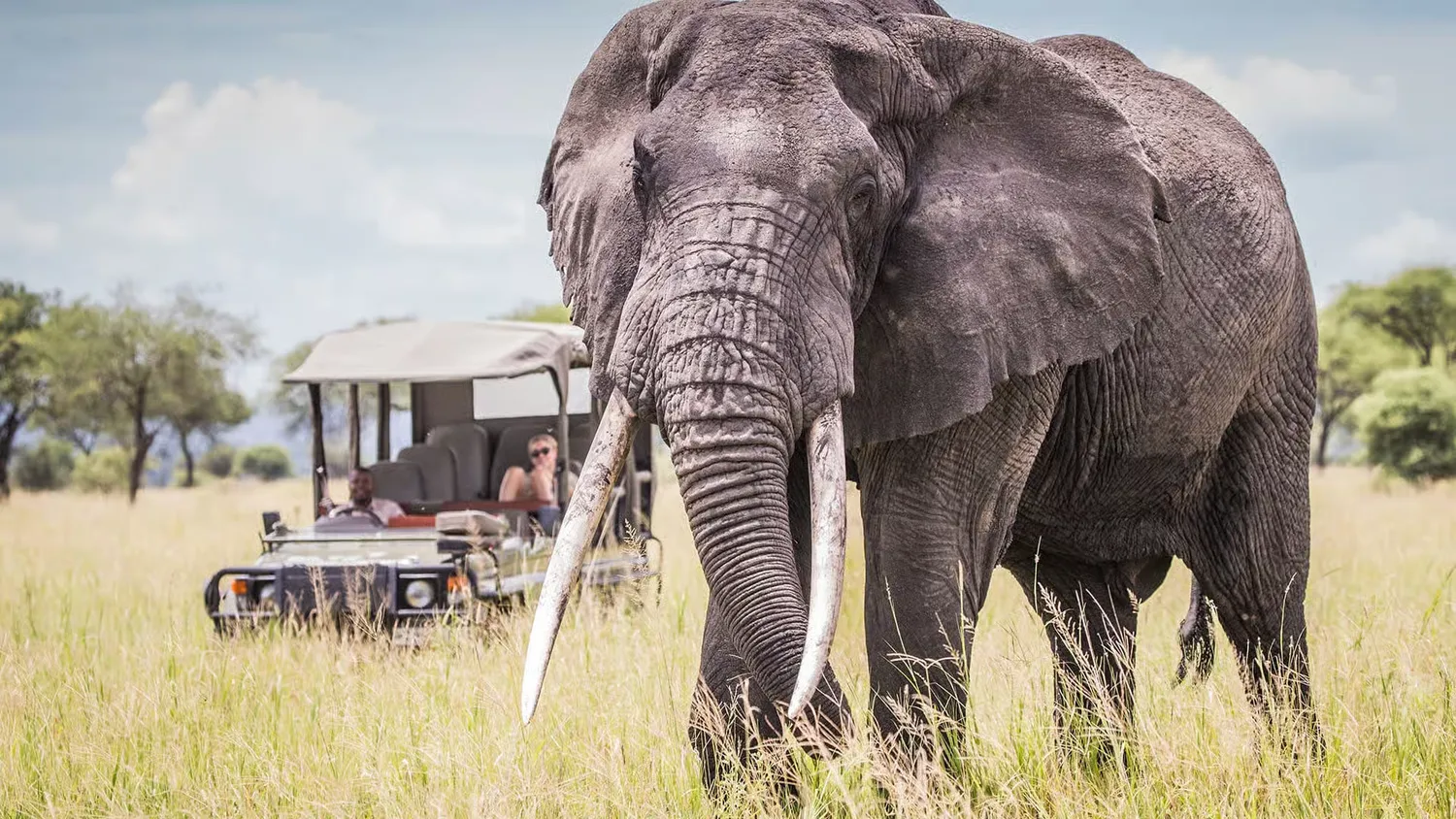
Planning an African adventure does not have to drain your life savings. Choosing to book a budget-friendly Tanzania safari during the low (green) season allows you to access iconic national parks at a fraction of peak-season costs. Running primarily from late March through May, this period transforms the dusty savannahs into lush, vibrant landscapes while dropping luxury accommodation prices by up to 40% to 50%.
Why the Green Season Offers Unmatched Value
The green season, often associated with the "long rains," is widely misunderstood by casual travelers who view precipitation as an absolute deterrent to exploration. However, seasoned safari experts and budget-conscious adventurers look at this seasonal shift as a goldmine of untapped opportunities. While heavy downpours do happen, they are rarely persistent or continuous throughout the day; instead, they usually occur in predictable, heavy afternoon or spectacular nighttime bursts, leaving beautifully clear mornings and refreshing late afternoons for world-class game drives. For anyone trying to experience Africa without draining their financial reserves, this highly atmospheric season unlocks structural cost advantages and wildlife experiences that are completely unavailable during the dry, expensive peak months.
The Financial Dynamics of Low-Season Safari Engineering
The primary driver behind the unmatched value of the green season is the fundamental law of supply and demand. During the dry season (July to October), thousands of tourists descend upon East Africa, causing lodge prices to hit their maximum ceilings. When April and May arrive, tourist numbers drop drastically, leaving premium luxury lodges, intimate eco-tented camps, and high-end boutique properties with significant vacancies. To cover their basic operational costs, maintain local staff employment, and keep their supply chains moving, these elite establishments slash their nightly rack rates by anywhere from 40% to 60%.
This structural price collapse creates an incredible opportunity for budget travelers. It means a high-end experiential camp that charges $1,200 USD per night in August becomes accessible for $500 USD or less in April. You are getting the exact same luxury canvas tents, the same high-quality gourmet meals prepared by executive bush chefs, the same highly trained silver-tier or gold-tier local guides, and the exact same premium concessions—but at a fraction of the cost. For anyone planning an extended trip across East Africa, these accumulated daily savings allow you to stretch your itinerary from a brief three-day rush into a comprehensive, immersive multi-week expedition without inflating your overall financial investment.
The Luxury of Crowd-Free Ecosystems and Private Sightings
Beyond the direct financial savings, the reduction in tourist volume radically changes the quality of your wildlife viewing. In the high season, it is unfortunately common for a single lion or leopard sighting in popular areas like Seronera or the Ngorongoro Crater floor to attract twenty or thirty safari vehicles, creating a chaotic, noisy atmosphere that disrupts both the animals and the wilderness experience. During the green season, this congestion completely disappears. The vast savannahs return to their natural, serene state, allowing you to experience Africa exactly as the early explorers did.
Imagine sitting in an open-sided 4x4 vehicle completely alone with your guide, watching a pride of lions socialise on a kopje, or observing a solitary cheetah stalking a Thomson’s gazelle through the green grass without another vehicle in sight. This lack of vehicles means animals are significantly more relaxed, allowing for natural, undisturbed predatory behavior. It also gives your guide the freedom to park the vehicle in the absolute best vantage point and spend hours observing a single interaction, rather than feeling pressured by a queue of other trucks waiting for your spot.
Atmospheric Clarity and the Paradise of Emerald Photography
For visual artists, landscape photographers, and nature enthusiasts, the green season is universally acknowledged as the best time of year to visit Tanzania. During the dry season, the constant movement of vehicles combined with strong winds fills the air with a thick, hanging layer of fine dust that dulls colors, decreases horizon visibility, and makes capturing sharp, long-distance shots incredibly difficult. The rain entirely washes away this atmospheric dust, leaving behind crisp, ultra-clear air that maximizes lens clarity and reveals deep, rich color saturations.
Furthermore, the physical transformation of the landscape is visually stunning. The dry, parched, brown dust of the savannah undergoes an overnight transformation into a vibrant, glowing emerald-green carpet. Dramatic, towering storm clouds build up on the horizon every afternoon, creating highly theatrical lighting conditions where bright shafts of sunlight break through dark, moody skies to illuminate golden wild animals against a deep blue or charcoal backdrop. These complex, high-contrast lighting elements are a dream for creative photography, offering an artistic depth that the flat, bright, midday skies of the dry season simply cannot match.
Strategic Itinerary Integration and Regional Planning
If your travel schedule is flexible, you can seamlessly tie this financial green-season sweet spot with other major regional highlights across Tanzania to build the ultimate, highly cost-effective multi-destination African vacation. However, combining different geographic regions during the rainy months requires careful structural planning to avoid weather-related logistical friction.
For instance, transitioning from a lush, rain-freshened savannah directly to the coast requires strategic synchronization; diving into how to choose the perfect season for a Zanzibar beach holiday after your safari will help you perfectly balance beach weather with seasonal wilderness tracking so you don't trade your cheap safari for a totally washed-out beach week. Read more about beach timing strategies to maximize your coastal relaxation.
Similarly, if you are looking to combine a wildlife drive with an alpine trek, caution is highly advised. Understanding exactly how to pick the right season to climb Mount Kilimanjaro with clear skies ensures you don't accidentally mix a highly productive, low-cost savannah drive with an intensely muddy, dangerously slippery, and completely clouded mountain ascent. Read more about mountain meteorological trends before booking your climbing crew.
By taking advantage of the deeply discounted accommodations, zero crowds, and immaculate photography conditions of the green season, while carefully managing your regional transitions using expert data, you can experience a premium, world-class luxury safari at a truly budget-friendly price point.
Peak vs. Low Season Cost Analysis
To give you a realistic financial perspective, the table below outlines the structural price variations for standard mid-range to luxury components across Tanzania's main tourist corridors.
| Safari Element (Per Day) | Peak Season (Jul - Oct) | Green Season (Mar - May) | Estimated Saving |
|---|---|---|---|
| Mid-Range Lodge Accommodation | $350 - $500 USD | $180 - $280 USD | Save ~45% |
| Private 4x4 Vehicle & Guide | $280 - $350 USD | $200 - $250 USD | Save ~25% |
| Luxury Tented Camp Stay | $800 - $1,200 USD | $450 - $650 USD | Save ~50% |
Core Strategies for Budget Savings
Planning a structurally sound safari on a limited financial blueprint requires discarding conventional travel booking habits and understanding the operational mechanics of East African ground logistics. When you travel during the green low season, every single logistical decision you make can either compound your savings or create unnecessary operational leakage. By engineering your itinerary around smart routing, vehicular efficiency, and localized geographic focus, you can bypass the standard financial gatekeepers that make African travel traditionally exclusive.
1. Choose Road Safaris Over Domestic Flights
Fly-in safaris rely extensively on regional bush planes and light aircraft networks that service remote airstrips. These aviation companies operate with extremely high fixed overhead costs, including aviation fuel taxes, strict weight limitations, and expensive seasonal maintenance schedules. Consequently, internal flight ticket prices remain stubbornly high and rigid regardless of the month or season you choose to travel. Booking multiple flight legs between Arusha, Seronera, and Grumeti can instantly double your core transit budget before you even step foot inside a park.
Opting for a classic road safari utilizing an organized Northern Circuit overland loop completely changes your financial trajectory. By hiring a private or shared 4x4 safari vehicle that starts and ends its journey in Arusha, you lock in fixed, predictable transport costs. The real budget magic occurs when you share this vehicle overhead with a partner, family group, or fellow independent travelers met through digital matching platforms. Splitting the daily fuel consumption, professional driver-guide fees, and vehicle park entry permits across three or four occupants reduces your individual transit expenditure to a bare minimum, leaving more financial room for experiential additions.
2. Concentrate Extensively on the Northern Circuit
Tanzania’s vast geographic footprint is structurally divided into distinct tourism circuits, each presenting entirely different operational challenges during the rainy months. The Southern Circuit (encompassing massive wilderness blocks like Ruaha National Park and Nyerere National Park) and the remote Western Circuit (Katavi and Mahale Mountains) become incredibly hazardous and logistically unpredictable between late March and May. The heavy downpours frequently cause major rivers to burst their banks, washing away fragile dirt bridges, turning clay tracks into impassable mires, and forcing remote eco-lodges to shut down operations completely. Trying to force a budget trip through these zones in the wet season often leads to costly emergency rescue logistics or stranded itineraries.
Conversely, you should focus your energy exclusively on the Northern Circuit. This region enjoys a highly developed tourism infrastructure where primary access roads are heavily reinforced, gravel-paved, and meticulously maintained by park authorities to ensure year-round accessibility. Because the physical distances between Lake Manyara, the Ngorongoro Conservation Area, and the central Serengeti are compact and structurally manageable, your vehicle consumes fuel far more efficiently, protecting you from unexpected mechanical strain or expensive delays.
By anchoring your entire trip in this northern geographical loop, you can masterfully align your daily game tracking with historic wildlife movements without facing peak premium surcharges. For example, if your travel window falls during the initial phase of the green transition, you can explore how to choose the best months for the Serengeti Wildebeest calving season to position your vehicle right in the middle of thousands of newborn calves stretching across the fertile southern plains. Read more about calving season timelines to catch high-intensity predator action at zero high-season markup.
Alternatively, if your ultimate dream involves watching immense herds brave crocodile-infested waters later in the annual cycle, investigating how to time your Tanzania safari to witness the Great Wildebeest Migration river crossing will help you precisely budget your funds for a high-season excursion if the specific low-season grazing patterns don't align with your goals. Read more about tracking river crossings to ensure you never miss the peak migratory spectacles.
Hidden Accommodation Secrets & Logistics
The hospitality sector during the green low season undergoes a complete structural shift in market power, transferring all leverage directly into the hands of the independent traveler. Luxury safari lodges and experiential tented camps operate on incredibly high fixed human resource costs; they must keep their local trackers, hospitality staff, culinary chefs, and anti-poaching security units employed and paid regardless of whether the camp is full or empty. Because sitting on empty rooms yields zero revenue, lodge management teams become incredibly pliable, discarding their rigid high-season booking rules in favor of aggressive occupancy acquisition strategies.
Leveraging High Vacancies for Structural Upgrades
This unique market vacancy dynamic allows budget-conscious travelers to deploy highly tactical booking maneuvers that would be instantly rejected during the crowded peak months of July or August. Instead of booking premium tiers from the outset, you can strategically purchase the lowest-priced mid-range accommodation category or standard entry-level eco-tents. Because lodges prefer to consolidate their few active green-season guests into a centralized area to minimize housekeeping labor and electricity distribution, walk-in guests are routinely granted complimentary, unprompted upgrades to five-star luxury suites or premium riverfront chalets.
The Eradication of Single Supplements for Solo Explorers
During the peak season, solo travelers are heavily penalized by hospitality operators who impose punishing "single supplements"—extra fees ranging from 30% to 50% of the room cost designed to compensate for the lack of a second paying adult in the cabin. In the green season, this financial barrier completely evaporates. To stimulate booking volume, nearly all prominent lodge managers drop single supplements entirely. This makes the low season an absolute paradise for individual backpackers, wildlife researchers, and digital nomads who want to live in high-end safari settings without paying double for their privacy.
Mastering Last-Minute Arusha Ground Negotiations
If your personal travel style allows for operational flexibility, avoid booking every single night of your safari through international online travel agencies months in advance. International booking engines lock in rigid commission structures that prevent local properties from displaying their true rock-bottom prices. Instead, establish direct communication lines with local camp managers or regional tour operators based in Arusha upon your arrival.
When a camp manager sees an unbooked tent for the upcoming weekend in April, they are often willing to slash rates by up to 60% via direct WhatsApp or email negotiations just to cover food costs and tip pools for their staff. This decentralized, boot-on-the-ground booking strategy requires a bit of nerve, but it is the single most effective way to experience authentic ultra-luxury African hospitality on a strictly managed backpacker budget.
Best Parks for Low-Season Wildlife Viewing
- The Ngorongoro Crater: Because the crater floor acts as a self-contained structural bowl, the vast majority of its 25,000 resident large mammals do not migrate. You are guaranteed world-class black rhino, lion, and elephant encounters regardless of rainfall.
- Serengeti Central (Seronera): The abundance of permanent water sources means big cats, hyenas, and local herbivores remain stationed here throughout the entire green season.
- Tarangire National Park: Famous for its ancient baobab trees, Tarangire offers a lush backdrop during the low months, providing exceptional elephant viewing alongside minimal vehicle traffic.
Expert Travel Tip: When booking during the rainy months, always verify that your safari operator uses a high-clearance 4x4 vehicle equipped with a reliable winch and specialized mud-terrain tires. Getting stuck is part of the adventure, but having the proper equipment avoids hours of delays.
Photographic & Avian Landscape Benefits
Aside from purely financial incentives, the low season caters exceptionally well to bird watching enthusiasts and professional landscape photographers. The rainfall triggers an explosion of insect life, drawing thousands of migratory bird species down from Europe and North Africa. This creates an unparalleled multi-colored avian display that completely disappears by the dry months of July.
Furthermore, because the heavy downpours clear out all suspended atmospheric dust particles, the visual clarity of the horizon is outstanding. Photographers can capture expansive wide-angle landscape shots of active wildlife herds framed by crisp, ultra-clear African sunsets that are free from the typical low-hanging haze of the dry periods.
Frequently Asked Questions
Navigating the logistical nuances of an East African journey during the rainy transition can spark numerous structural and safety-related questions. Below is an exhaustive breakdown of the most critical inquiries engineered to help independent travelers protect both their physical well-being and their financial investments.
Is malaria more common during the green season?
Yes, the increase in localized surface water, seasonal puddles, and high humidity levels creates optimal breeding environments for the Anopheles mosquito population. Because vector activity rises significantly between March and May, defensive medical preparation is absolutely vital. Independent travelers must consult a certified travel physician or tropical disease specialist well before departure to secure targeted prophylactic prescriptions (such as Malarone, Doxycycline, or Lariam).
Additionally, structural on-the-ground protection should never be compromised: always wear lightweight, tightly woven, long-sleeved shirts and full-length trousers during peak mosquito feeding hours (dawn and dusk). Apply premium, high-concentration DEET or Picaridin insect repellents to all exposed skin, and ensure your choosing properties explicitly provide undamaged, professionally hung mosquito netting treated with long-lasting insecticides around your bedding zone.
Do park entry fees decrease during the low season?
No, conservation tariffs, vehicle entry permits, and camping fees managed directly by government regulatory bodies like the Tanzania National Parks Authority (TANAPA) and the Ngorongoro Conservation Area Authority (NCAA) remain completely uniform and static throughout the calendar year. These statutory fees are non-negotiable tools utilized to fund year-round anti-poaching initiatives, habitat management, and community conservation projects.
Your comprehensive budget savings do not stem from state-mandated entries, but rather from aggressive private-sector discounts. Your primary cost reductions are found by securing lowered nightly accommodation rack rates at luxury lodges, negotiating highly flexible, low-demand vehicle lease arrangements with regional operators in Arusha, and bypassing the expensive premium surcharges traditionally tacked on by third-party international tour brokers during the high season.
How long do the afternoon storms typically last?
The vast majority of precipitation experienced during the green low season takes the form of concentrated, high-intensity equatorial convective cloudbursts. These short-lived but dramatic downpours typically occur in the mid-to-late afternoon hours, generally lasting between 45 to 90 minutes. They are frequently accompanied by theatrical displays of lightning and thunder that roll across the open plains before dissipating as rapidly as they arrived.
Because these weather fronts are highly dynamic and predictable, experienced driver-guides can structure your morning and late-afternoon tracking routes perfectly to avoid the active downpour windows. The sudden rainfall serves an excellent logistical purpose: it instantly cools down the intense daytime equatorial temperatures, washes away suspended airborne dust particles, and prompts dormant, heat-weary big predators into active, high-energy movement immediately after the sky clears.
Are the roads on the Northern Circuit safe and passable during heavy rains?
Primary transit corridors and main access thoroughfares connecting Arusha, Lake Manyara, and the Ngorongoro Crater remain heavily reinforced, properly graded, and accessible year-round. However, once you descend deep into the interior earthen tracks of the Central and Southern Serengeti, the soil structure transitions into highly volatile black cotton clay. This specific geological composition absorbs water rapidly, transforming dry soil into incredibly slick, deceptive mud that can easily trap standard vehicles.
To ensure absolute structural safety and prevent costly delays, you must strictly mandate that your local ground handling agency provides a heavy-duty, customized 4x4 Land Cruiser or Nissan Patrol. This vehicle must be equipped with functioning high-and-low range differential locks, an integrated front-end recovery winch with high-tensile steel cables, heavy-duty mud-terrain tires, and an experienced driver-guide who possesses specialized technical training in deep-mud vehicle extraction maneuvers.
What specific camera gear and protection do I need for wet-season photography?
The spectacular, high-contrast lighting conditions of the green season require specialized gear protection to shield electronic components from sudden atmospheric moisture. It is highly recommended to pack professional-grade, weather-sealed camera bodies alongside fast telephoto lenses equipped with integrated rubber gaskets at the mount point. Always utilize high-quality UV or clearing filters to protect the front elements of your glass from horizontal wind-blown rain drops.
From a budget perspective, you do not need to purchase expensive waterproof housings; heavy-duty, reusable silicone rain sleeves or specialized nylon storm covers work exceptionally well to keep your camera operational during active tracking. Furthermore, always pack plenty of micro-fiber optical cloths, a reliable lens blower to remove stray moisture droplets, and a supply of desiccant silica gel packets to place inside your sealed, dust-proof camera bag to absorb residual interior humidity between game drives.
Do migratory birds disappear if I travel later in the green season?
Tanzania’s avian dynamics undergo dramatic shifts as the green season progresses. If your primary goal is to witness millions of colorful Palearctic and Intra-African migratory birds (such as European rollers, bee-eaters, and various birds of prey), the absolute sweet spot is between late November and early April. By late May, as the rainy front begins to recede and northern weather systems stabilize, many migratory species begin their long journey back to Europe and North Africa.
However, traveling later in the green season does not mean you will miss out on incredible birdwatching. Tanzania's exceptional resident species—including massive ostrich flocks, secretary birds, ground hornbills, and vibrant lovebirds—remain highly active in their geographic territories year-round. The lush vegetation and abundant nesting sites active in May mean resident birds display vibrant breeding plumage, making it an exceptional window for avian observation regardless of migration departures.
Is the low green season suitable for a family safari with young children?
While the low green season offers great financial advantages for families due to heavily discounted triple-room rates and waived child accommodation premiums, it does present specific operational challenges for families traveling with young kids. The increased risk of malaria requires strict medical adherence, which can be challenging for toddlers. Additionally, because the animals are surrounded by tall, lush grasses, tracking can sometimes require longer periods of patient driving, which may test the attention spans of younger children.
If you are planning a family trip during this period, it is highly recommended to limit your daily driving distances. Focus your itinerary on self-contained, high-density wildlife viewing zones like the Ngorongoro Crater floor rather than long, open-ended drives through the vast Serengeti plains. Additionally, prioritize booking fixed, solid-structure luxury lodges that feature enclosed dining halls and recreational indoor spaces where children can comfortably relax during the afternoon cloudbursts.
Conclusion: Strategic Planning Leads to High-Value Adventure
Embracing Tanzania's low green season is not merely a compromise made to save money; it is the ultimate insider secret weapon deployed by savvy, independent luxury travelers and seasoned wilderness experts worldwide. By deliberately stepping away from rigid, standardized peak-season travel trends, you free your itinerary from overwhelming tourist vehicle congestion and enjoy deeply personalized, highly attentive service from lodge staff who are not rushed by maximum capacities. You gain the rare privilege of experiencing the iconic East African wilderness at its absolute greenest, wildest, and most authentic, all while keeping your core travel budget entirely secure and mathematically optimized.
Success in this atmospheric season ultimately hinges on discarding generic travel advice and executing a tailored logistical strategy. By prioritizing a robust, winch-equipped 4x4 road configuration over expensive bush flights, focusing your routing heavily on the stable infrastructure of the Northern Circuit, and utilizing direct ground communication channels to secure deep walk-in accommodation discounts, you transform a traditionally exclusive, high-cost destination into an incredibly affordable, high-value personal adventure.
Before finalizing your specific tracking dates and packing list, always ensure you consult objective, verified international resources. For detailed real-time ground statistics, updated entry gate policies, and official health advisories regarding wilderness travel across East Africa, you can securely consult the Tanzania National Tourism Portal.