





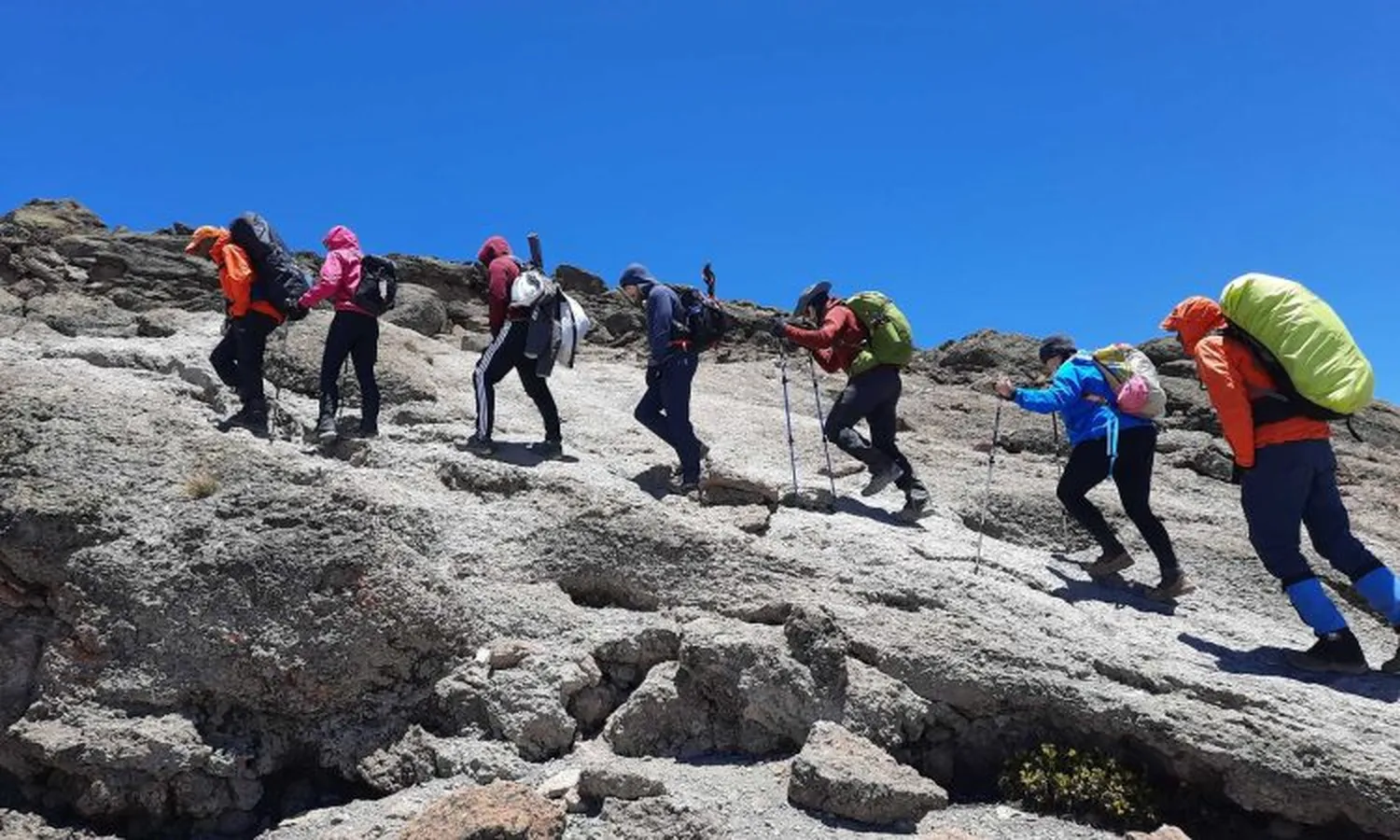
Standing at 5,895 meters above sea level, Mount Kilimanjaro is Africa's highest peak and a bucket-list conquest for trekkers worldwide. However, your trekking experience can vary dramatically depending on the weather. If your goal is to experience panoramic vistas across the African savannah without thick banks of clouds blocking your view, mastering how to pick the right season to climb Mount Kilimanjaro with clear skies is absolutely vital. Timing your expedition perfectly ensures safer trekking conditions, better photography opportunities, and significantly warmer summit nights.
The Two Primary Dry Seasons on Kilimanjaro
Mount Kilimanjaro sits close to the equator, meaning it does not experience traditional winter and summer cycles. Instead, its climate patterns are defined by distinct wet and dry seasons. To secure bright, unobstructed daytime views, your climb should ideally target one of the two major dry windows.
The unique location of this massive volcanic stratovolcano creates its own independent weather system. Because it rises directly out of the hot, humid plains of East Africa, moist winds blowing from the Indian Ocean are forced upward when they hit the mountain walls. This process causes rapid cooling and heavy cloud condensation. If you climb during the wrong season, you will spend days trekking inside a thick, damp layer of fog, completely missing the vast African landscapes below. To avoid this, planning your ascent around the precise atmospheric patterns of the dry cycles is critical for success.
1. The Warm Dry Window (January to Mid-March)
This is considered by many seasoned mountain guides to be the premier window for crystal-clear morning skies and pleasant daytime temperatures. During these months, the prevailing trade winds blow from the north, carrying warm, dry air masses that keep heavy storm systems away from the high alpine trails. Temperatures at lower altitudes remain comfortably warm, and the morning fog layer typically settles thousands of meters below the campsites, creating a spectacular look at an expansive ocean of white clouds stretching out beneath you.
As you ascend higher into the arctic desert zone, the air pressure drops significantly, resulting in intensely deep blue horizons that are perfect for panoramic wide-angle photography. This specific period is highly favored by professional mountaineers who prefer slightly less bitter nighttime freezes on the final midnight push to Uhuru Peak. Read More: How to choose the best months for the Serengeti Wildebeest calving season which happens simultaneously during this exact warm dry window, making it easy to create an ideal bush and mountain holiday itinerary.
Atmospheric Microclimates of the Early Year
During this early dry phase, the atmosphere experiences lower dust accumulation because the brief November and December showers have recently cleared the air. This gives the air an incredible purity, allowing climbers to view the sweeping Maasai Steppe with remarkable clarity. Furthermore, the wind patterns during these months tend to be less aggressive at the higher base camps like Barafu and Kibo, meaning tent structures shake less and campers can enjoy peaceful, uninterrupted sleep before their summit attempt.
2. The Cool Dry Window (July to October)
Following the long, intense monsoonal rains of the spring season, the cool dry window provides exceptionally crisp, stable atmospheric conditions and maximum visibility over long distances. During this extended stretch of the year, the southern wind patterns dominate, bringing much cooler air up from the sub-continental systems. While this means nighttime temperatures at the higher camps will dip well below freezing, the stability of the sky is unmatched anywhere else on the calendar.
Day after day of bright, cloudless blue skies makes tracking your physical pace easier, as the sun warms your body during the long hours of alpine trekking. Because the mountain undergoes several months without major rain or snowfall, dust particles drop down out of the high atmosphere, resulting in exceptionally clear air quality that lets you see all the way to Mount Meru and the Kenyan plains on a daily basis. It is the busiest peak season for a reason; the predictability of the clear weather ensures maximum safety and high summit success ratios. Read More: How to choose the perfect season for a Zanzibar beach holiday after your safari to plan your post-climb muscle recovery on sunny, white sand beaches right after your cool mountain trek.
High Visibility and Thermal Inversion Streaks
The mid-year season is characterized by a heavy meteorological phenomenon known as thermal inversion. As cold air is trapped beneath a warmer layer of air higher up, it forces cloud structures to compress heavily into a low-lying blanket. For a trekker, this means that once you clear the first two days of forest, you emerge into a world of endless sunshine where the sun radiates strongly against the volcanic rock. This structural dryness prevents moisture from seeping into your thermal gear, which keeps you warm, dry, and thoroughly protected against hypothermia during the long pushes.
1. The Warm Dry Window (January to Mid-March)
This is considered by many seasoned guides to be the premier time for crystal-clear mornings. Temperatures at lower altitudes are moderately warm, and the cloud formations tend to stay lower in the valleys, offering spectacular vistas from the high altitude camps. Read More: How to choose the best months for the Serengeti Wildebeest calving season which happens simultaneously during this beautiful warm dry period.
2. The Cool Dry Window (July to October)
Following the long rains of spring, this lengthy dry season offers exceptionally crisp atmospheric conditions and maximum visibility. While the air temperatures can feel noticeably cooler than earlier in the year, the stability of the skies during these months is unparalleled. It is the peak season for a reason: day after day of brilliant blue skies makes high-altitude trekking incredibly rewarding and predictable.
In-Depth Monthly Breakdown for Peak Visibility
Choosing the exact month requires looking beneath general seasonal definitions. Different months have unique microclimates that alter morning and evening sky conditions significantly.
January and February: These are the clearest months of the first dry season. Dust levels are low because it follows a minor rainy season, creating incredibly sharp contrast for photography. Mornings are nearly always cloudless, though some accumulation can happen by 3:00 PM around the moorland zones.
July and August: This marks the start of the longest dry period. The air is cold and crisp. Because the ground holds less ambient moisture, mist formation is extremely rare above 3,000 meters. The mornings are dry, cold, and beautifully blue.
September and October: These months offer a fantastic blend of warmer daytime temperatures and pristine conditions. September boasts an almost 92% historical record of dry days, making it the top pick for climbers focused purely on avoiding wind and cloud blockages. Read More: How to time your Tanzania safari to witness the Great Wildebeest Migration river crossing to create a perfect multi-adventure combo during this high-visibility month.
Monthly Weather & Visibility Matrix
To help you visually assess the conditions, here is a concise breakdown of how the different months stack up against each other for cloud clearance and summit safety indicators.
| Season Period | Sky Visibility | Precipitation Risks |
|---|---|---|
| Jan – Mid-March | Excellent (Clear mornings) | Very Low |
| Late March – May | Poor (Heavy fog/clouds) | Very High (Long rains) |
| June | Moderate (Transitional) | Low |
| July – October | Outstanding (Crisp & clear) | Extremely Low |
| Nov – December | Fair (Intermittent clouds) | Moderate (Short rains) |
Why Clear Skies Are Essential for Trekkers
Learning how to pick the right season to climb Mount Kilimanjaro with clear skies is not just about bringing home perfect panoramic photos; it impacts your physical well-being. Cloudless days permit solar radiation to warm up the alpine desert and arctic zones during your hiking hours, keeping your muscle groups flexible and minimizing energy drain from shivering.
Conversely, hiking through thick cloud cover introduces heavy ambient moisture, which can damp your clothing and cause accelerated temperature drops once you halt at a campsite. According to meteorological monitoring resources like the Tanzania Meteorological Authority, tracking these trends accurately is key to planning structural regional safety logistics effectively.
Altitude Zones and Cloud Formations
As you trek up Kilimanjaro, you pass through five distinct ecological zones. Understanding how clouds interact with these zones helps you prepare mentally and logistically for the journey.
- Rainforest Zone (1,800m - 2,800m): Always holds high humidity. Even in the driest seasons, expect localized mist beneath the canopy.
- Moorland Zone (2,800m - 4,000m): This is the tipping point where you routinely hike completely above the cloud line. During peak dry seasons, you will look down onto a stunning sea of white clouds while enjoying warm, ambient sunshine above.
- Alpine Desert & Arctic Summit (4,000m - 5,895m): Virtually no vegetation exists here to hold moisture. In dry months, the atmospheric pressure keeps the skies intensely blue and bright, while the night sky reveals incredible views of the Milky Way.
Read More: How to plan a budget-friendly Tanzania safari during the low (green) season if you want to explore the misty lower valleys at a much cheaper entry point.
Combining Your Climb with Other Tanzanian Adventures
Most travelers coming to East Africa do not simply limit themselves to the mountains. If you organize your trek around the dry months to guarantee pristine mountain weather, you automatically position yourself well for traditional wildlife safaris and pristine island getaways.
Tanzania is a land of massive geographic contrasts, offering some of the world's finest wildlife sanctuaries and tropical beaches just a short distance from the base of Kibo peak. When you strategically time your mountain expedition to align with clear skies, you are simultaneously unlocking optimal travel windows across the rest of the country. This synergy allows you to seamlessly transition from an intense high-altitude arctic trek into a world-class big game viewing safari, followed by deep relaxation along a tranquil coastline, maximizing the value of your entire East African journey.
- The Northern Safari Circuit: The same clear conditions that help you conquer the peak make it easy to spot big game clustered around watering holes. The bush thins out significantly during the dry season, removing thick foliage and giving you unhindered photography frames. Safaris through the iconic Serengeti National Park, Ngorongoro Crater, and Tarangire become exceptionally rewarding because animals are highly concentrated around permanent water sources, making world-class wildlife sightings a daily occurrence.
- Zanzibar Post-Climb Recovery: After days of pushing your body to its absolute limits on steep gravel screens and freezing summit paths, hitting the warm waters of the Indian Ocean is highly recommended for muscle recovery. Read More: How to choose the perfect season for a Zanzibar beach holiday after your safari to ensure your coastal winds are just as clear, sunny, and refreshing as your high-altitude paths.
Professional Guiding Support for Peak Success
Attempting an extreme high-altitude trek like Kilimanjaro requires exceptional local coordination, structural safety measures, and experienced crew management. For a completely seamless journey that covers both your high-mountain logistics and your subsequent Tanzanian exploration, partnering with a dedicated agency like Jaynevy Tours makes a massive difference. Their professional mountain guides monitor seasonal cloud levels daily, customize your trekking pace to enhance acclimatization, and handle all your equipment and camp management so you can focus entirely on your summit climb.
Beyond the mountain trails, coordinating your transportation, park fees, and accommodation across different regions can quickly become overwhelming. Utilizing comprehensive services from trusted local experts ensures that your transition from the cold heights of Uhuru Peak to the classic savannah game drives or the white sandy beaches of the coast is perfectly timed and stress-free, giving you a safe and unforgettable Tanzanian adventure.
Frequently Asked Questions
What is the single best month for clear skies on Kilimanjaro?
September is widely regarded as the premium month. The heavy cloud systems of the early year are gone, the winter chill is moderating, and dry atmospheric conditions keep visibility near 100%.
Can I climb during the wet seasons if I want to avoid crowds?
Yes, but you will sacrifice visibility. April and May experience intense rainfall and dense fog, which completely blocks the vast views and makes the trails muddy and slippery.
Does full moon timing affect sky clarity?
A full moon does not change cloud coverage, but climbing during a clear dry season full moon illuminates your midnight path to Uhuru Peak, providing breathtaking midnight mountain panoramas without needing heavy headlamp usage.