





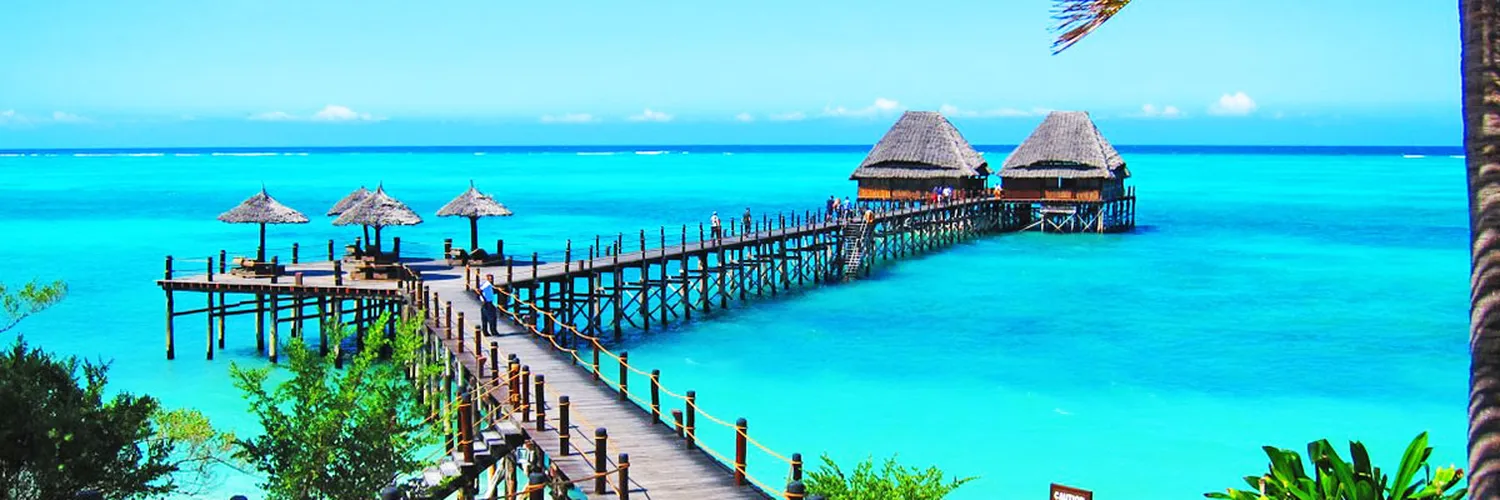
Combining the raw, dusty energy of an East African wildlife trek with the tranquil white sands of the Spice Island is the quintessential Tanzanian travel dream. Millions of travelers annually land in regional hubs wanting to pair action-filled early morning game drives with lazy sun-soaked coastal afternoons. However, maximizing this dual adventure depends entirely on your calendar placement. Knowing how to choose the perfect season for a Zanzibar beach holiday after your safari requires balancing continental land mass weather dynamics with the coastal microclimates dictated by the vast Indian Ocean.
While a bush trip demands sparse vegetation and drying watering holes to spot elusive predators clustered around scarce water points, an ideal beach escape prioritizes blue clear skies, predictable ocean tides, and manageable humidity profiles. Because these two distinct ecosystems lay within the same broader tropical weather system, planning them in tandem is simple if you target specific, highly strategic calendar months.
Understanding East African Seasonal Cycles
Tanzania and its archipelago experience a unique weather cycle driven primarily by maritime trade monsoon winds coming off the Indian Ocean. Unlike standard western four-season systems, this tropical zone splits clean into distinct dry spell intervals and rainy periods. When figuring out how to choose the perfect season for a Zanzibar beach holiday after your safari, understanding these patterns will protect your coastal retreat from gray, persistent cloudbursts.
If your travel heart is set on catching spectacular wildlife phenomena on the mainland before flying out to the coast, you must coordinate carefully. For instance, knowing how to time your Tanzania safari to witness the Great Wildebeest Migration river crossing perfectly aligns with the onset of Zanzibar's coolest, most pleasant dry weather windows, allowing you to seamlessly leap from riverbank action to palm-fringed relaxation.
The Cool, Dry Peak Window (June to October)
This long winter dry spell is widely considered the absolute sweet spot for a complete bush-to-beach holiday package. On the continental mainland, seasonal water holes dry up rapidly, stripping down heavy brush and pulling massive concentrations of elephants, lions, and buffaloes toward permanent water sources like the Tarangire and Rufiji rivers. Simultaneously, Zanzibar welcomes its freshest, most stable climate frame of the calendar year.
- Average Temperatures: Comfortable range hovering between 24°C and 28°C.
- Atmosphere: Exceptionally low humidity paired with gentle, cooling south-east trade winds (known locally as the Kusi monsoon).
- Island Highlights: Crystal-clear ocean water parameters that unlock supreme scuba diving and snorkeling visibility up to 30 meters down in coastal marine parks.
- Crowd Dynamics: Highly popular; beach occupancy peaks over July and August, requiring lodge reservations up to 8 months in advance.
This mid-year window also pairs flawlessly if your active travel party intends to discover how to pick the right season to climb Mount Kilimanjaro with clear skies. Having dry routes on the peak coupled with crisp sunshine on the beach means your entire vacation track operates at optimal efficiency.
The Warm, Dry Window (January to February)
If you prefer hot, classic tropical beach conditions alongside intense, brilliant daily sunshine, the short dry period following the winter holiday rush is your ideal travel window. The overarching regional monsoon pattern shifts to the Kaskazi winds blowing downward from the north-east, dropping ocean breezes and driving up temperature thresholds across the coastal waters.
During these early months, the southern plains of the vast Serengeti ecosystem burst into vibrant green life after absorbing light November rain cycles. Travelers can smoothly pair this warm coastal beach window with learning how to choose the best months for the Serengeti Wildebeest calving season. This enables you to observe tens of thousands of newborn wildebeest calves taking their first steps among big cat predators, before jumping onto a short coastal flight to sip cold drinks on Zanzibar's northern shores.
Navigating the Wet & Green Climates
The arrival of seasonal rainy frames alters travel dynamics across Tanzania, bringing distinct advantages and challenges. The "short rains" generally pass through during November and December, manifesting as quick, refreshing afternoon showers that clear out rapidly, rarely putting a damper on an overall beach resort layout. However, the heavy "long monsoon rains" from late March through mid-May bring substantial daily downpours that cause high coastal humidity, leading many boutique beach lodges along Zanzibar's unpaved coastal tracks to temporarily shut down for property renovations.
The silver lining to booking during these transitional periods is unprecedented cost efficiency. Savvy budget-conscious travelers who figure out how to plan a budget-friendly Tanzania safari during the low (green) season can secure ultra-luxurious, five-star resort villas on Zanzibar at massive price cuts, provided they are content with flexible afternoon indoor lounge times.
How Maritime Trade Winds Shape Your Resort Choice
A crucial factor that many vacationers overlook when analyzing how to choose the perfect season for a Zanzibar beach holiday after your safari is the role of ocean wind direction. Zanzibar is an island of microclimates, meaning the wind can completely change the swimming conditions of a specific coast line.
From June to October, the strong Kusi Wind blows from the south-east. While this keeps the island blissfully cool, it can push seaweed onto eastern beaches and create strong waves. During this season, booking a resort on the sheltered northern tips of the island, like Nungwi or Kendwa, guarantees flat, glass-like swimming waters because the island's land mass blocks the wind. Conversely, from December to February, the Kaskazi Wind sweeps down from the north-east, making the eastern and southern beaches prime territory for kite-surfing enthusiasts who require reliable offshore breezes.
Summary Comparison Matrix
This structured overview provides real-world climatic data and tracking metrics to help you align your mainland itinerary seamlessly with your coastal beach extension:
| Season & Months | Zanzibar Weather | Mainland Safari Status | Travel Volume |
|---|---|---|---|
| June – October | Cool (25°C), low humidity, dry | Excellent tracking conditions | High / Premium rates |
| November – December | Warm (30°C), minor short rains | Lush emerald plains, newborn game | Moderate / Holiday spikes |
| January – February | Hot (32°C), dry, clear seas | Peak Serengeti calving action | High / Summer crowd |
| March – May | Heavy tropical monsoon rains | Thick bush, muddy tracks | Low / Highly budget-friendly |
Why Trust PerfectInfos For Travel Planning?
At PerfectInfos, we believe true travel value lies in delivering precise, actionable facts and honest research. We bypass generalized travel brochures to analyze authentic regional data, consulting directly with resident bush pilots, seasoned maritime guides, and national park management sources across East Africa. Our goal is to ensure you know precisely what to expect upon arrival, enabling you to safeguard your holiday funds and build a smooth, high-yield journey from the wilderness to the sea.
For official, real-time regional weather notices, seasonal wildlife migration tracking reports, and up-to-date entry regulations, check out the comprehensive advisories directly on the official Tanzania National Tourism Portal.
Frequently Asked Questions
Can I enjoy a beach holiday in Zanzibar during April?
While possible, it is not recommended for classic sunbathing. April marks the peak of the long monsoons, resulting in heavy, persistent rainfall and elevated humidity levels that cause many boutique beach hotels to close for annual maintenance.
How do I travel between my safari park and Zanzibar?
The most popular method is booking a direct bush flight from airstrips in the Serengeti, Ngorongoro, or Selous straight into Zanzibar's Abeid Amani Karume International Airport (ZNZ). These flights generally take between 1.5 to 3 hours, saving you from lengthy overland road transits.
Are ocean temperatures warm enough for swimming year-round?
Yes, the Indian Ocean surrounding Zanzibar remains warm and highly comfortable throughout the year, with water temperatures ranging from a refreshing 25°C in August to a balmy 29°C in February.
Conclusion
Mastering how to choose the perfect season for a Zanzibar beach holiday after your safari transforms two separate African adventures into one beautifully balanced dream vacation. Aim for the classic June to October window if you want cool, low-humidity ocean breezes alongside world-class river-crossing game viewing. Alternatively, focus your booking on January or February to experience magnificent Serengeti calving events paired with hot, vibrant summer beach weather. By tailoring your travel window to match your personal budget priorities and regional weather patterns, your combined bush-to-beach getaway will stay completely safe, relaxing, and highly successful.