





Planning a 7-day safari focused on rare wildlife in Tanzania requires a strategic approach. While traditional itineraries focus heavily on the Big Five or standard wildebeest herds, tracking elusive species like the critically endangered Eastern Black Rhino, African Wild Dog (Painted Wolf), Ground Pangolin, or Caracal demands specialized planning, targeted geography, and expert tracking assistance. With roughly 38% of Tanzania's land area dedicated to conservation, picking the precise ecosystems where these fragile populations survive is critical.
If you want to ensure high success rates on your week-long expedition, you should learn how to map out a 7 day tanzania wildlife photographic safari that builds in early morning tracking windows and dedicated evening game drives. Success depends on timing, park selection, and working with local guides who understand territorial animal movements.
Understanding Tanzania's Most Elusive Species
Tanzania harbors several rare and vulnerable species that require specific habitat conditions. Knowing where these creatures hide and how they behave helps turn a standard safari into an unforgettable wildlife expedition.
- Eastern Black Rhinoceros (Diceros bicornis michaeli): Decimated by poaching in the late 20th century, Tanzania's black rhino population is slowly recovering thanks to intensive monitoring by the Tanzania National Parks Authority (TANAPA). They inhabit dense bushveld and protected crater floors.
- African Wild Dog (Lycaon pictus): Known for massive home ranges that can exceed 1,000 square kilometers, painted dogs require vast wilderness areas away from high lion densities, such as Ruaha and Nyerere National Parks.
- Tree-Climbing Lions: Found in specific micro-climates like Lake Manyara and the Ishasha sector bordering Uganda, these lions routinely climb acacia and mahogany trees to escape ground insects and catch cool breezes.
- Ground Pangolin & Aardvark: Extremely secretive nocturnal insectivores that require private conservancies allowing night drives with specialized spotters.
Choosing Northern vs. Southern Circuit for Rare Animals
Your choice of circuit determines which rare species you are most likely to encounter. Comparing regional routes helps you focus your limited 7-day window on your highest-priority species.
The Northern Circuit (Serengeti, Ngorongoro, Tarangire, Lake Manyara) is unmatched for black rhino sightings and tree-climbing lions. However, if your heart is set on African wild dogs and sable antelopes, the wilder Southern Circuit (Ruaha, Nyerere) is superior. Many travelers also research how to plan a 7 day tarangire serengeti ngorongoro trip to combine iconic landscapes with high rhino sighting odds.
The Ideal 7-Day Rare Wildlife Itinerary
This tactical 7-day plan balances field tracking, minimal travel fatigue, and high-density wildlife zones across Northern Tanzania's prime ecosystems.
Day 1: Arrival in Arusha & Briefing
Land at Kilimanjaro International Airport (JRO). Meet your specialist safari guide for a thorough equipment check and route briefing. Overnight in Arusha to rest before early morning departures. When booking your tour, it is critical to learn how to check if a Tanzanian safari company is officially registered and licensed to guarantee trained naturalists who know rare animal territories.
Day 2: Lake Manyara National Park (Tree-Climbing Lions & Flamingos)
Depart at 06:00 AM for Lake Manyara. Focus on the groundwater forest and acacia woodlands to spot tree-climbing lions and rare blue monkeys. Explore the lake shores for flocking lesser flamingos and migratory waterfowl.
Day 3: Ngorongoro Crater Floor (Black Rhino Tracking)
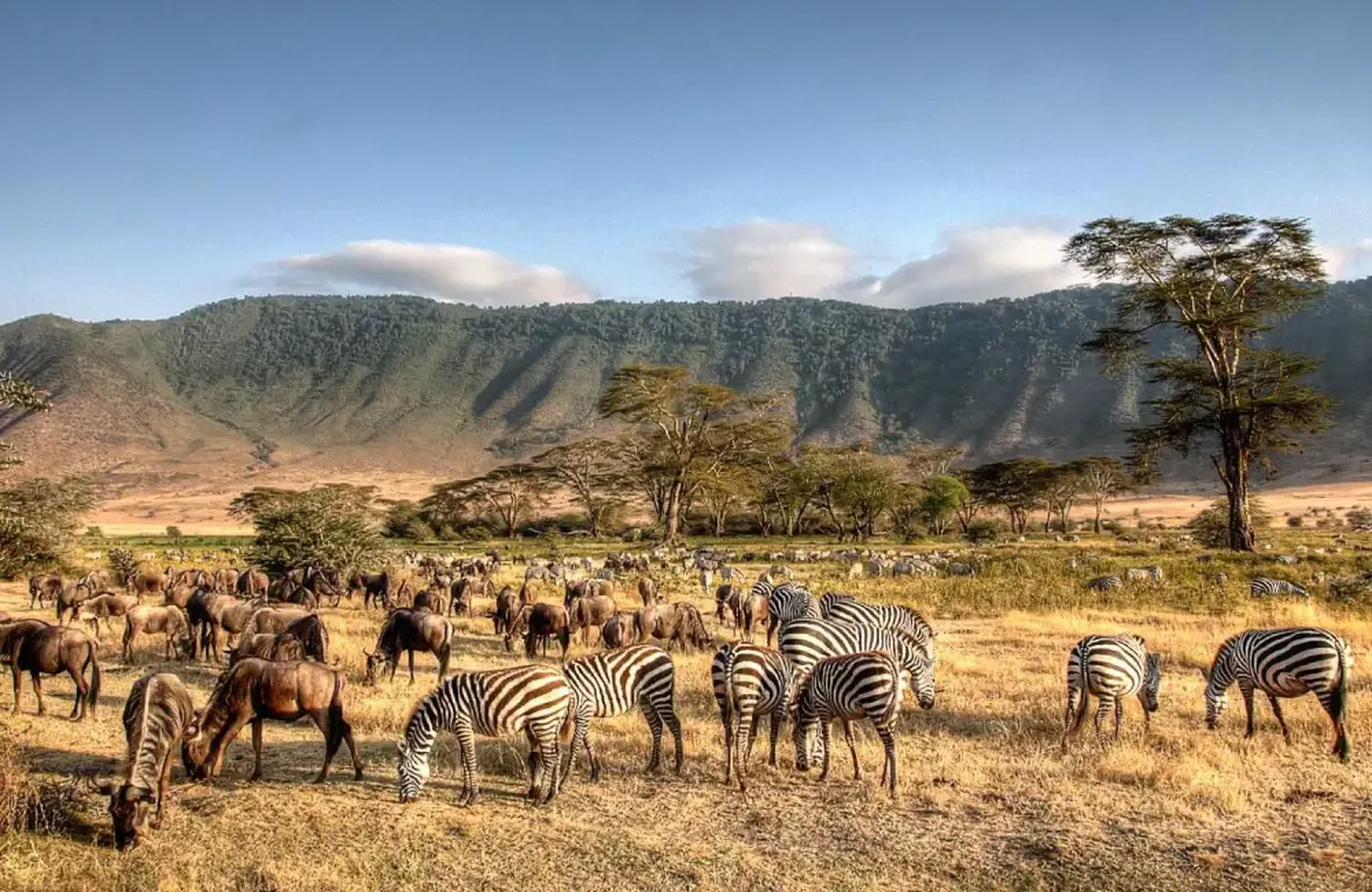
Descend into the 600-meter-deep Ngorongoro Crater early in the morning. The crater floor shelters roughly 25 to 30 Eastern Black Rhinos. Position your vehicle near Lerai Forest and the central soda lake, where rhinos graze during cool early hours.
Day 4–5: Central & Southern Serengeti (Moru Kopjes & Cheetah Habitat)
Drive toward Central Serengeti. Spend two full days around Moru Kopjes, an area protected by dedicated TANAPA anti-poaching units where resident black rhinos roam among granite boulders. Scan open plains for fast-moving cheetah coalitions and serval cats.
Day 6: Northern Serengeti or Private Reserve (Nocturnal Species & Leopards)
Transition to a private conservancy bordering the park. Engage in late-afternoon game drives extending into the night using red-filtered spotlighting to track nocturnal species like aardvarks, civets, bushbabies, and shy African wildcats.
Day 7: Morning Bush Walk & Bush Flight to Arusha
Participate in an early morning guided walking safari led by armed park rangers to study animal tracks, spoor, and insect life up close. Catch a domestic bush flight from Seronera or Kogatende Airstrip back to Arusha for your international connection.
Species Sighting Probabilities & Field Data
To help manage expectations, the table below highlights real-world sighting probabilities, ideal locations, and key behavioral windows for Tanzania's rarest animals during a 7-day safari.
| Species | Best Location | Sighting Probability | Active Window |
|---|---|---|---|
| Black Rhino | Ngorongoro Crater | 75% - 85% | 06:00 - 09:00 AM |
| Wild Dog | Ruaha / Nyerere | 40% - 55% | 05:30 - 08:00 AM |
| Tree Lion | Lake Manyara | 35% - 50% | 11:00 AM - 03:00 PM |
| Pangolin | Private Reserves | 5% - 10% | 09:00 PM - 01:00 AM |
Domestic Logistics & Park Fees
Maximizing field time during a short 7-day window means eliminating long, bumpy road transfers wherever possible. Budgeting for internal flights between airstrips allows you to spend more hours actively tracking animals instead of sitting in traffic.
Before finalizing your budget, review how to understand TANAPA conservation fees for 7 days safari. Government park fees, crater transit permits, and concession fees add up quickly, particularly in high-conservation zones dedicated to endangered species protection.
Furthermore, if you prefer an elevated experience with exclusive concession access, evaluate how to book top rated luxury safari operators for Serengeti and Ngorongoro who hold special permits for off-road tracking and night game drives.
Ethical Safari Practices & Conservation Impact
Spotting rare animals comes with a responsibility to protect them. High vehicle crowding around sensitive species like black rhinos or nesting cheetahs causes stress and alters natural hunting behaviors. Always ensure your driver adheres to strict ethical standards:
- Maintain a distance of at least 25 meters from sensitive or endangered species.
- Keep noise levels low and never call out or clap to get an animal's attention.
- Never push your driver to go off-road in national parks where off-roading is prohibited; doing so destroys delicate flora and burrows.
- Support lodges that contribute directly to local anti-poaching units and wildlife corridors.
Frequently Asked Questions
Where is the best place to see black rhinos in Tanzania during a 7 day trip?
The Ngorongoro Crater floor offers the highest statistical probability of sighting the endangered Eastern Black Rhino due to its enclosed ecosystem and high ranger presence, followed by Moru Kopjes in central Serengeti.
How can I see African Wild Dogs in Tanzania?
African Wild Dogs thrive best in Southern Tanzania reserves like Ruaha National Park and Nyerere National Park (Selous), as well as dedicated private conservancies in the western corridors.
What is the best month to spot rare nocturnal animals like pangolins or aardvarks?
The dry season from June through October offers thin vegetation and predictable water sources, making night game drives in private conservancies optimal for spotting elusive nocturnal mammals.
Is 7 days enough time to visit both Northern and Southern Tanzanian parks?
It is strongly recommended to focus on one circuit. Attempting both requires heavy flight transfers that strip away valuable morning tracking time. A dedicated 7-day Northern or Southern circuit yields far superior wildlife sightings.
References & Academic Sources
- Tanzania National Parks Authority (TANAPA) Official Conservation Guidelines.
- International Union for Conservation of Nature (IUCN) Red List Species Data for East Africa.
- African Wildlife Foundation (AWF) Field Research on African Wild Dog Habitat Requirements.
Conclusion: Transforming Your 7-Day Tanzania Safari Into an Unforgettable Expedition
Structuring a successful 7-day safari to track rare wildlife in Tanzania comes down to smart timing, picking the right parks, and working with expert trackers. By focusing your itinerary on high-density ecosystems like Ngorongoro Crater and Moru Kopjes, securing specialized permits, and honoring ethical viewing practices, you set the stage for an extraordinary wildlife journey through East Africa's most breathtaking landscapes.
Finding species like the critically endangered Eastern Black Rhino, the elusive African Wild Dog, or rare nocturnal mammals requires patience and preparation. Success is rarely about luck; it is about strategic planning, understanding animal migration corridors, and maximizing active tracking hours during peak activity windows at dawn and dusk.
Final Expedition Checklist & Strategic Takeaways
Before locking in your travel dates and depositing payments for your 7-day rare wildlife safari, review these core tactical guidelines to guarantee an optimal field experience:
- Prioritize Seasonality: Plan your visit during the dry season (June through October) when sparse vegetation makes tracking elusive browsers much easier, and animals congregate around permanent water sources.
- Combine National Parks with Private Conservancies: While state national parks like Serengeti offer dense predator populations, private conservancies allow night game drives and guided walking safaris—the only reliable way to spot nocturnal creatures like Pangolins, Aardvarks, and Porcupines.
- Pacing Over Distance: Avoid trying to see the entire country in 7 days. Focus strictly on either the Northern Circuit (for Black Rhinos) or the Southern Circuit (for African Wild Dogs) to minimize road exhaustion.
- Hire Certified Master Trackers: The quality of your guide dictates the quality of your sightings. Experienced trackers understand spoor identification, alarm calls, and territory boundaries that casual drivers overlook.
Essential Travel Guides & Resources
To help you complete every aspect of your safari preparation, explore these detailed planning guides: