





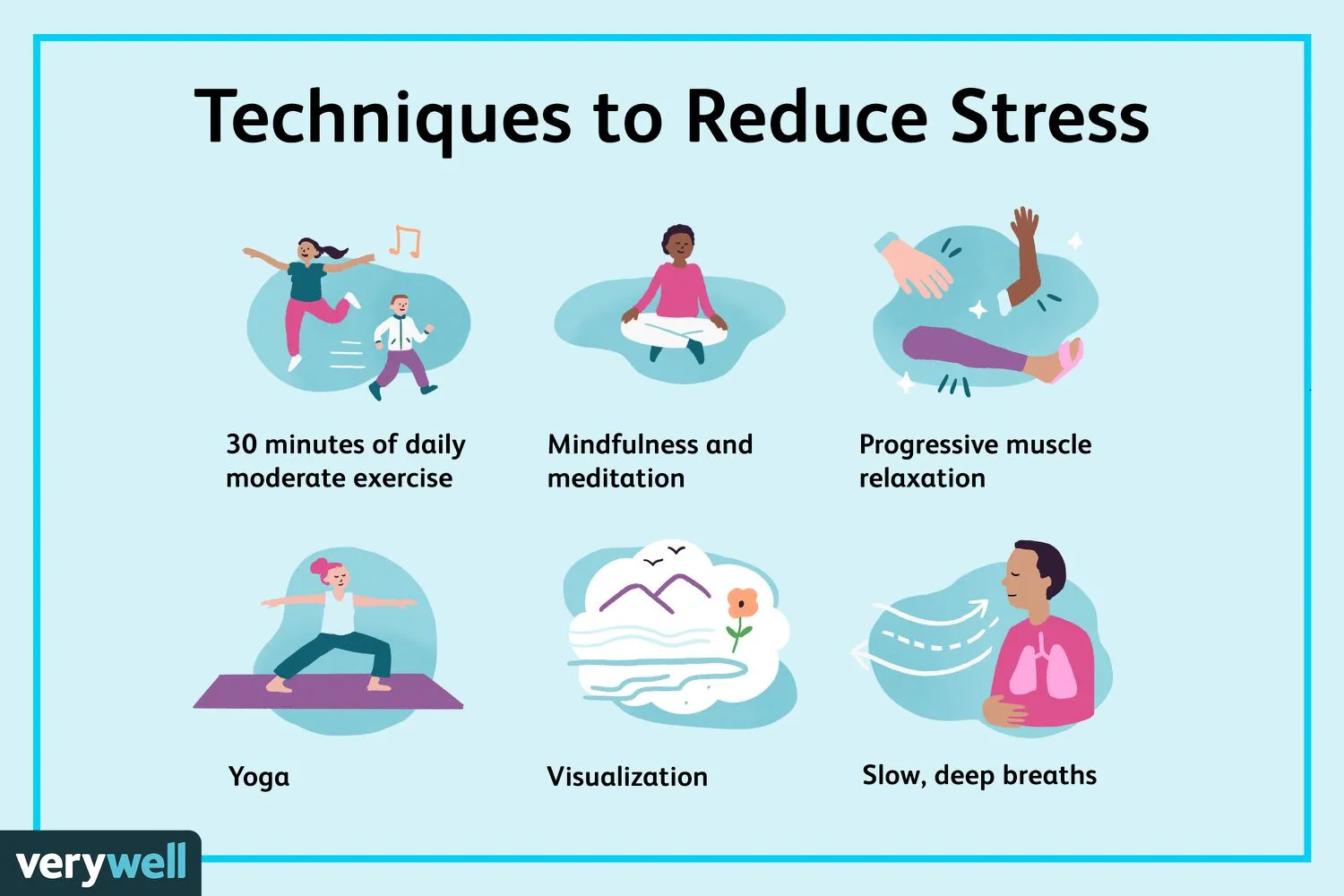
Learning how to manage stress for better mental health is one of the most critical adjustments you can make to safeguard your psychological clarity and physical longevity. Daily responsibilities, sensory overstimulation, and unpredictable schedules trigger constant nervous survival systems. This comprehensive guide details systemic stress management metrics, psychological decompression setups, and clear lifestyle adaptations designed to support your natural resilience.
The Biological System Behind Chronic Strain
When you face an intense situation, your brain releases a surge of adrenaline and cortisol through your sympathetic nervous system. While this quick reaction is vital for survival, staying in a constant high-alert state drains your brain's natural energetic reserves. If you want to know how to achieve health and wellness, you must actively shift your body into a resting, parasympathetic state to allow regular cellular repair.
Clinical data verified by the American Psychological Association (APA) shows that long-term stress accelerates biological aging and impairs deep executive functions in the prefrontal cortex. Unmanaged mental fatigue disrupts your natural hormone balance, making simple tasks feel deeply overwhelming. Prioritizing conscious relaxation routines safeguards your long-term neural pathways from chronic wear and tear.
Practical Coping Routines for Daily Reset
Reversing your body's stress response doesn't require complex hours-long rituals. Small, deliberate pauses throughout your workday can reset your heart rate variability and calm an overactive mind. To master how to manage stress for better mental health, build these simple, accessible routines into your daily schedule:
- The Physiological Sigh: Take two rapid inhales through your nose, followed by one slow, extended exhale through your mouth to quickly clear carbon dioxide from your lungs.
- Strategic Digital Delays: Avoid looking at digital notifications for the first 30 minutes after waking up to prevent early morning cortisol spikes.
- Box Breathing Protocols: Inhale for 4 seconds, hold for 4 seconds, exhale for 4 seconds, and hold for 4 seconds to calm your central nervous system.
If you find yourself constantly struggling to maintain these boundaries, it helps to learn how to find reliable health tips from licensed therapists or clinical psychologists rather than unverified online forums.
Nutritional Foundations and Physical Habits
Your physical health directly impacts your psychological resilience. When your blood sugar crashes or your hydration drops, your body interprets that chemical stress as genuine anxiety. Making regular lifestyle upgrades creates a stable physiological buffer against outside emotional pressure.
First, optimize your internal hydration levels. Taking the time to understand how to get the benefits of drinking water keeps your body fully hydrated, which protects your cells from physical stress and keeps your baseline energy steady. Second, shift away from heavily processed sugars and focus on balanced fuel options instead. Learning how to build a balanced diet plan rich in amino acids and complex carbohydrates supports steady serotonin production, giving you the physical stamina needed to navigate tough days smoothly.
Primary Biomarkers of Internal Tension
Tracking how your body reacts to pressure helps you make smart adjustments before facing total burnout. This clear table maps out key physical signs of stress alongside helpful daily changes to keep your systems balanced:
| Biomarker Area | Stress Indicator | Corrective Modification |
|---|---|---|
| Heart Performance | Elevated Resting Rate | 10-Minute Breath Work |
| Sleep Consistency | Fragmented REM Cycles | No Screen Use Before Bed |
| Immune Response | Frequent Inflammation | Daily Recovery Walks |
By managing these physical markers, you naturally protect your immune cells from breaking down. Incorporating light recovery workouts alongside your stress protocols is an excellent strategic choice if you want to know how to boost the immune system and keep your vitality high during busy, high-pressure seasons.
Lastly, remember that lasting mental resilience builds up gradually over time. When you focus on how to maintain a healthy lifestyle through a mix of physical movement, clean nutrition, and proper emotional outlets, your brain adapts and handles stress with much greater ease.
Frequently Asked Questions
How does unmanaged chronic stress change my daily eating habits?
High cortisol levels spike your cravings for simple carbohydrates and fats, driving emotional eating patterns that can destabilize your metabolic health.
Why does taking deep breaths reduce active psychological anxiety?
Long, slow exhales activate your vagus nerve. This tells your heart to slow down and signals to your brain that you are safe, stopping the survival response.
Can short 10-minute walks help lower intense work pressure?
Yes, changing your environment and getting into gentle motion clears excess stress hormones and helps your brain rest, allowing you to return to tasks with fresh focus.
Conclusion: Prioritize Your Daily Decompression Framework
Learning how to manage stress for better mental health is a continuing commitment to your long-term well-being. By observing your physical stress markers, drinking enough water, and taking intentional mental breaks, you gain full control over your emotional health. Pick one simple habit from this guide today, protect that boundary, and let your routines naturally build a more resilient mind.