





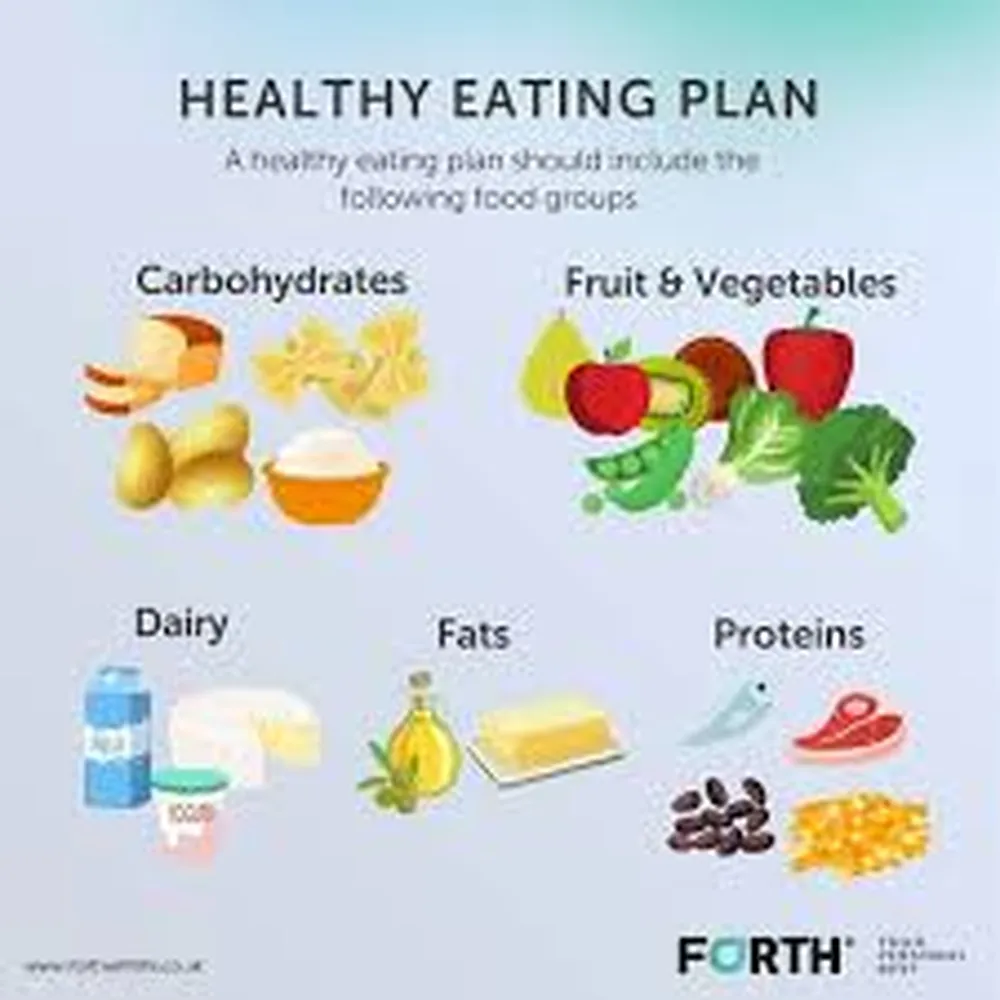
Figuring out how to build a balanced diet plan is one of the most powerful steps you can take for your physical longevity. Instead of chasing temporary fat-loss trends or strict food rules that leave you exhausted, true nutrition looks at what your body needs to thrive every single day. By focusing on whole, clean foods and clean portion setups, you can enjoy stable energy levels without feeling restricted.
The Core Pillars of Daily Nutrition
To master how to build a balanced diet plan, you first need to look at macronutrients. Your body relies on three main groups, each handling a distinct task to keep your internal processes running smoothly:
- Lean Proteins: These supply the basic building blocks needed to repair muscle tissue, keep your hair strong, and support metabolic health. Excellent sources include organic chicken breast, whole eggs, lentils, and wild fish.
- Complex Carbohydrates: These act as your body’s main fuel source. Unlike refined sugars that cause quick energy crashes, complex carbs give you slow, steady energy. Think of items like sweet potatoes, oats, and quinoa.
- Healthy Fats: Essential for hormone production and helping your body absorb key vitamins. You can easily get these from clean additions like extra virgin olive oil, fresh avocados, and raw walnuts.
The Plate Method: Easy Portion Splitting
You don't need a scale to manage your meals properly. The plate method is a simple visual tool recommended by health experts worldwide, including the USDA MyPlate Initiative. It allows you to organize any meal in seconds using a standard dinner plate.
Start by filling 50% of your plate with colorful, non-starchy vegetables like broccoli, spinach, or peppers. This ensures your body gets plenty of micronutrients and dietary fiber. Next, dedicate 25% of the remaining space to a clean source of lean protein. Finally, use the last 25% for dense complex carbohydrates, and finish with a small drizzle of healthy oil or a few slices of avocado.
Recommended Macronutrient Splits
While individual calorie needs vary based on age and activity levels, a standard nutritional breakdown provides an excellent starting framework for active individuals.
| Nutrient Group | Target Split | Primary Source |
|---|---|---|
| Complex Carbs | 45% - 50% | Brown rice, rolled oats, sweet potatoes |
| Lean Proteins | 25% - 30% | Chicken breast, eggs, black beans |
| Healthy Fats | 20% - 25% | Avocado, almonds, virgin olive oil |
Practical Steps to Build Your Diet Plan
Transitioning from basic food theory to everyday meal prep is straightforward when you break it down into actionable steps:
- Assess your activity: Identify how many calories your body needs based on whether your daily routine is sedentary or highly active.
- Map out your shopping list: Focus your trips on the outer aisles of the grocery store, where fresh produce and unprocessed whole foods are located.
- Prepare meals in advance: Cook your complex carbs and proteins in large batches twice a week to save time and avoid mid-week takeout temptations.
- Track your hydration: Drink plenty of fluids throughout the day to keep your digestion working optimally.
Expert Meal Prep Tip: Consistency beats perfection every single time. Focus on making 80% of your meals from whole, single-ingredient foods, leaving the remaining 20% for flexibility so your routine stays enjoyable long-term.
Linking Your Plate with Everyday Wellness
An excellent meal setup works best when it coordinates with other areas of your lifestyle. Learning how to build a balanced diet plan is much easier when you also gather high-quality health details. Using proven strategies on how to find reliable health tips helps you filter out confusing online fads and stay focused on scientific evidence.
Similarly, eating clean foods goes hand-in-hand with understanding how to maintain a healthy lifestyle through routine movement and restful sleep. When you combine clean proteins and nutrient-rich veggies, you naturally discover how to boost the immune system over time. To complete your new approach, learning how to get the benefits of drinking water keeps your body fully hydrated and supports smooth digestion after every meal.
Frequently Asked Nutrition Queries
Do I need to completely eliminate snacks when setting up a balanced plan?
No. You can absolutely enjoy snacks between meals. The trick is to avoid processed sugary items and pick whole food options instead, such as a handful of raw almonds paired with a fresh piece of fruit.
How much water should I drink while following this eating routine?
A good baseline for most adults is around 2 to 3 liters of clean water daily. You may need to adjust this depending on your local climate and how much you sweat during exercise.
Conclusion: Commit to Sustainable Long-Term Nutrition
Learning how to build a balanced diet plan is an ongoing journey rather than a quick fix. By focusing on whole ingredients, balancing your macros, and keeping your portions realistic, you give your body exactly what it needs to stay strong and focused. Pair your new eating habits with regular physical activity, and consult a local practitioner or registered dietitian to tailor these concepts to your unique physical needs.