





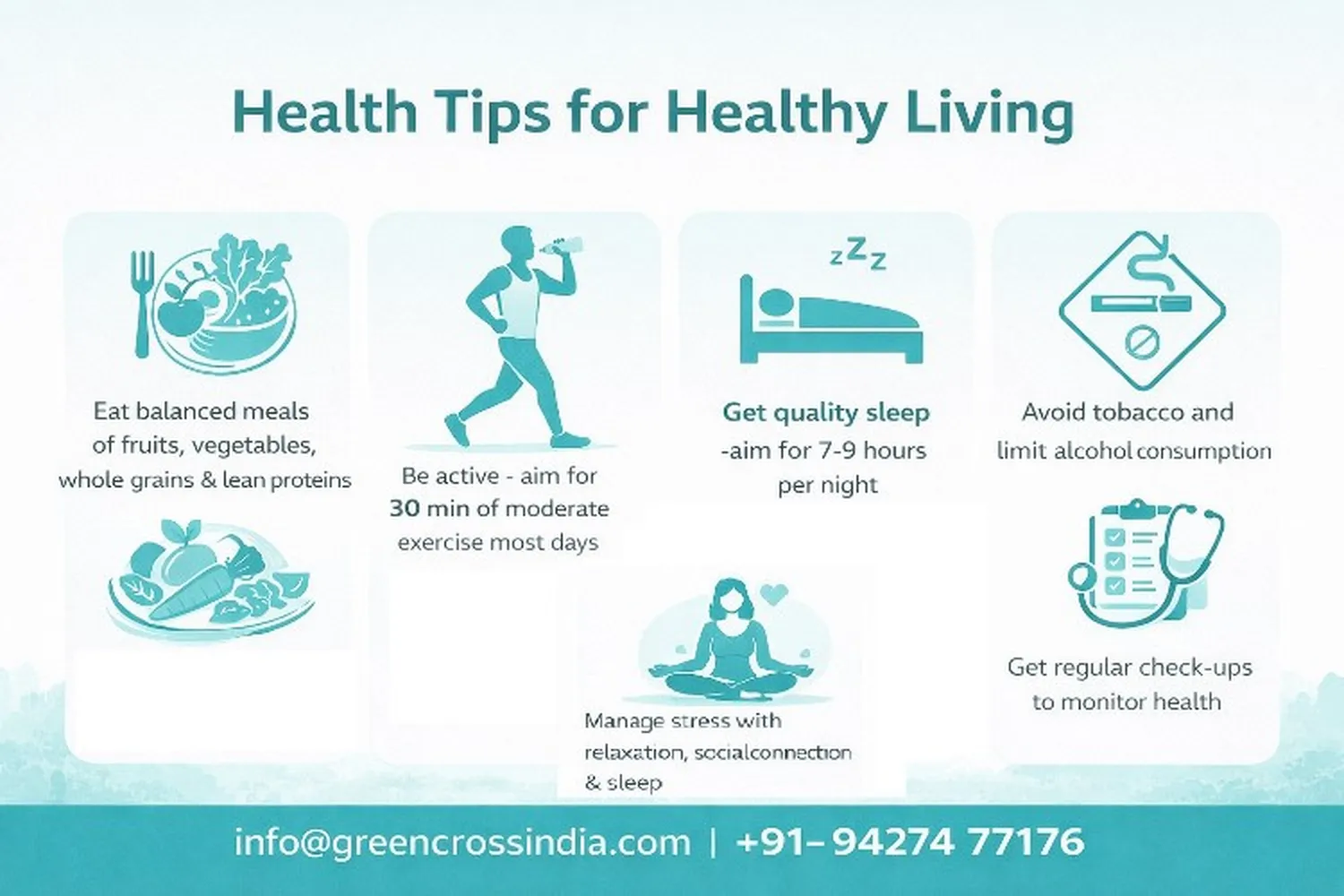
Finding accurate biomedical wellness details on the modern internet can be overwhelming. With millions of blogs publishing unverified lifestyle trends hourly, discovering how to find reliable health tips is no longer just convenient—it is an absolute necessity for personal safety. Whether you are searching for custom ways to adjust your daily meals, manage long-term stress signals, or locate targeted answers regarding dynamic wellness routines, prioritizing high-quality source screening saves time and protects your physiology.
The Critical Need for Medical Evidence
When searching for accurate ways to live better, it is helpful to look for ideas structured around verified facts rather than viral social media trends. Anyone can purchase a website link and promise a sudden physical shift, but real longevity rests on proven physiological research. Finding true medical insight means choosing articles that show deep respect for clinical trials, peer-reviewed data, and verified institutional testing patterns.
When you discover how to look past catchy headlines, you naturally pick up better wellness habits. These trusted methods fit neatly alongside everyday guides, such as learning how to maintain a healthy lifestyle or using simple steps on how to build a balanced diet plan to match your daily energy needs.
Pillars of Trustworthy Medical Advice
Evaluating clinical claims requires a structured approach. To confidently know if a website offers accurate insights, try testing every article against these three primary evaluation points:
- Author Credentials: Confirm that the article is written or closely reviewed by a licensed doctor (MD), registered dietitian (RD), or certified clinical practitioner.
- Evidence Citations: Look for direct inline links pointing to large medical research centers like the National Institutes of Health (PubMed).
- Publication Currency: Science advances rapidly. Ensure the text has been reviewed within the past 24 to 36 months to guarantee it meets current safety criteria.
Verifiable Domain Categories
One of the easiest shortcuts to finding reliable health tips involves checking the website's root address extension. Government agencies, major research universities, and prominent clinical groups usually adhere to the strictest review policies.
| Domain Type | Trusted Examples | Primary Value |
|---|---|---|
| .gov Sites | CDC, NIH, FDA | Rigorous, non-commercial public studies |
| .edu Sites | Harvard Health, Mayo Clinic College | Peer-reviewed research and academic papers |
| Specialty Orgs | American Heart Association | Targeted, condition-specific daily advice |
Warning Signs to Watch For
Learning how to spot misleading articles is just as helpful as finding high-quality ones. Be careful with websites that rely heavily on dramatic words or try to scare you into buying a specific product. If an article claims to have a "secret cure" or a "miracle trick" that completely bypasses normal body processes, it is likely an advertisement rather than genuine scientific advice.
Clinical Warning Note: True wellness changes require time and consistent habits. If a website promises instant fat loss or says you can completely clear out internal toxins in just a weekend, look for a second opinion from a licensed provider.
Practical Ways to Use Verified Advice
Once you know how to find reliable health tips, you can start building an everyday wellness routine based on dependable information. Instead of trying extreme, unverified routines, focus on safe, foundational habits that support your body's natural systems.
For instance, reading peer-reviewed studies on basic hydration makes it easy to understand how to get the benefits of drinking water safely. At the same time, finding proven, evidence-based methods can show you how to boost the immune system through regular sleep and balanced nutrition, rather than relying on expensive, unproven supplements.
Finally, using trusted wellness advice is a great tool for mental well-being. It gives you realistic, actionable strategies when learning how to manage stress for better mental health without having to guess which advice to follow.
Frequently Asked Questions (FAQs)
Can I rely on wellness tips from popular online video platforms?
Only if the speaker is a licensed practitioner who shares links to peer-reviewed clinical studies. Always cross-reference video claims with primary sources like official medical databases before changing your lifestyle habits.
What does it mean if an article says it is "medically reviewed"?
This means a qualified medical expert has carefully checked the text to ensure all clinical claims match the latest, recognized scientific research and safety guidelines.
Conclusion: Protecting Your Well-being with Smart Digital Choices
Figuring out how to find reliable health tips is an investment in your long-term vitality. By checking the credentials of authors, favoring trusted government or academic websites, and avoiding sensational claims, you protect yourself from harmful trends. Always talk to a local doctor or primary care physician before making major changes to your diet or fitness routine.