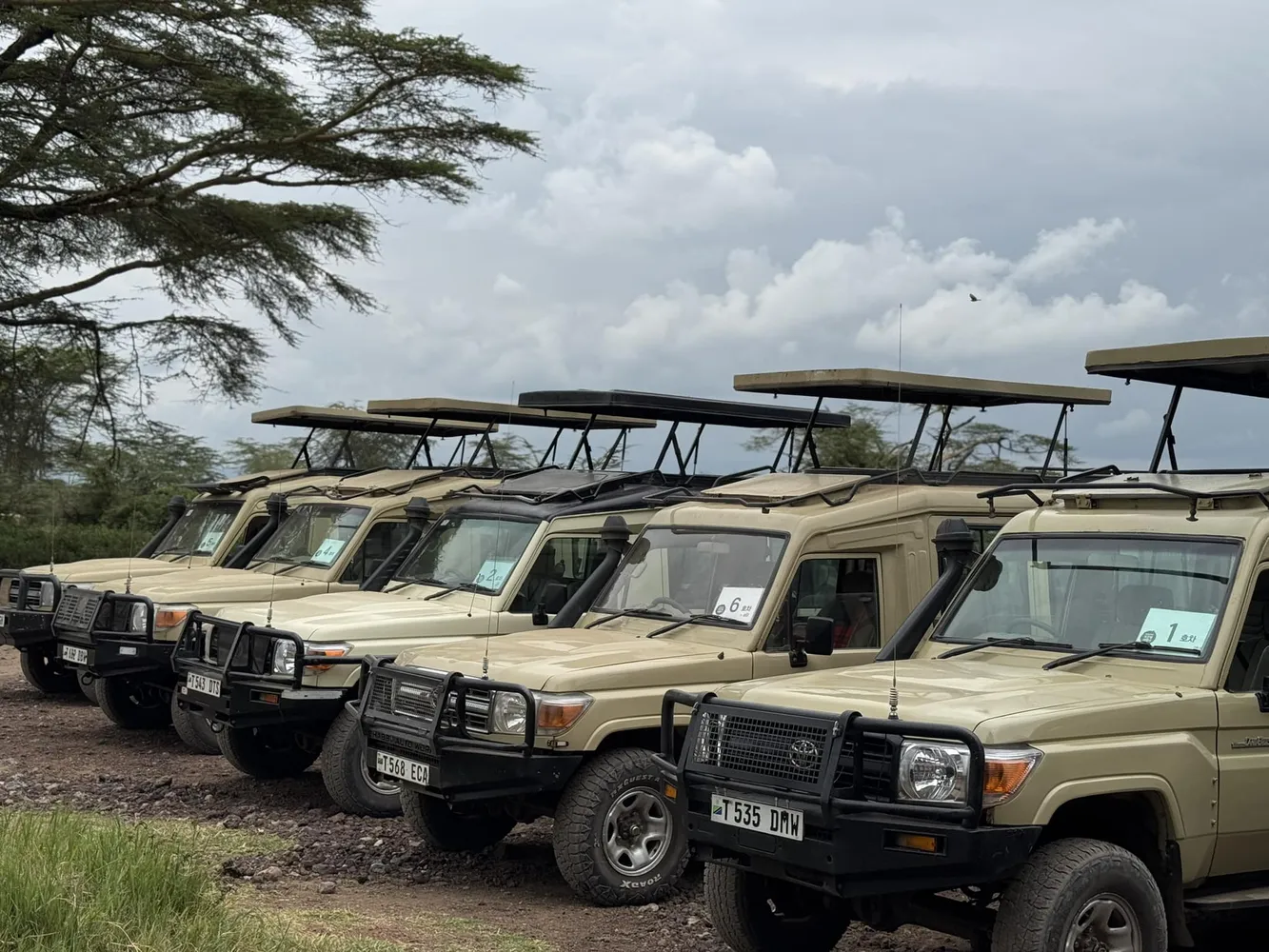
Booking a safari or mountain trek in East Africa is a significant investment, and an increasing number of international travelers want their money to directly benefit the local economy. Identifying the best Tanzanian tour companies owned by locals ensures your travel capital supports the indigenous guides, porters, chefs, and communities who call this spectacular landscape home. Choosing a domestic operator means your funds stay in Tanzania rather than being siphoned off by foreign travel agencies or international corporate booking offices.
Distinguishing between an authentic, 100% indigenous enterprise and a foreign middleman can be operationally complex. Many international agencies construct deceptive web designs that mimic local operators, hiding their overseas ownership status behind native stock photography and sophisticated messaging. This definitive, operational guide equips you with legal indicators, economic realities, and corporate auditing steps to accurately vet local operators and secure a reliable, high-performing safari experience.
1. The Economic Reality of Booking Locally
When you secure an itinerary through an offshore booking agency, up to 35% to 50% of the gross tour payment never reaches East Africa. It remains abroad to pay for foreign corporate overhead, international digital advertising, and corporate margins. Conversely, native firms re-inject their earnings into communities in towns like Arusha, Moshi, Karatu, and Mwanza, where secondary school fees, community infrastructure, and small-business investments depend directly on sustainable tourism traffic.
Furthermore, local businesses possess deep geographic expertise. A local guide who grew up near the Serengeti or Mount Kilimanjaro views the ecosystem through generations of practical observation rather than an operator handbook. For example, if you are planning a trip to the northern conservation zones, you can read our detailed strategic guide on how to book top rated luxury safari operators for Serengeti and Ngorongoro to better understand how local field crews optimize wildlife viewing routes.
In addition to direct economic support, choosing an indigenous agency promotes long-term environmental stewardship. Local owners have an inherent, lifelong stake in preserving Tanzania's natural heritage. Their children grow up alongside these protected wilderness zones, fostering community-led conservation programs that international syndicates rarely fund at a grassroots level. By ensuring capital remains within national borders, you strengthen local governance over natural resources.
2. Checking Corporate Status and Licensing
The most absolute method to confirm ownership structure is analyzing local corporate compliance frameworks. Every valid operator within the country must obtain a specialized TALA (Tourism Agent Licensing Authority) certificate issued exclusively by the Ministry of Natural Resources and Tourism (MNRT). This operating permit undergoes annual renewal based on severe performance and tax tracking metrics.
You can also check their enrollment with the Tanzania Association of Tour Operators (TATO). This prime national trade group enforces clear rules regarding localized fiscal accountability, and travelers can verify historical records directly on their public web engine. For an explicit breakdown of these verification systems, see our troubleshooting tutorial on how to check if a Tanzanian safari company is officially registered and licensed.
| Metric | Local Owner Profile | Foreign Intermediary |
|---|---|---|
| TALA License | Directly held by domestic management | Sub-contracted or leased through third parties |
| Capital Retention | 100% kept in local banks | 35%-50% kept in offshore accounts |
| Ground Control | Direct ownership of vehicles and gear | Rented assets or hired freelance trucks |
| Tax Contributions | Direct corporate VAT & income payments to TRA | Offshore tax minimization structures |
3. Identifying Ethical Ground Operations
True local ownership frequently aligns with strong labor rights protection for mountain crews and safari staff. If you are climbing Mount Kilimanjaro or Mount Meru, you can evaluate an agency's community ethics by checking their compliance with porter protection associations. Highly ethical local companies work alongside tracking non-profits to ensure crew members receive correct base salaries, nutritious meals, clean tents, and medical insurance coverage. To learn how to select high-performing, safe mountain teams, review our resource on how to select top rated local trekking companies for Mount Meru and Kilimanjaro.
In addition, checking operational setups helps you avoid booking scams. Unlicensed internet operators often build attractive digital storefronts to attract budget travelers, only to abandon them once deposits are sent to untraceable accounts. Working directly with established, community-vetted local management protects your travel funds. For actionable prevention strategies, read our guide on how to choose a reliable tour operator for Tanzania safari without getting scammed.
Ethical operations extend past human resource management into actual equipment maintenance. Local owners who manage their own operational hubs are personally involved in keeping their gear in peak condition. They ensure mountain tents are weatherized for heavy rains on routes like Machame or Marangu and verify that safari vehicles are equipped with essential first-aid and safety gear before entering remote wilderness areas.
4. Auditing the Digital Footprint and Communication
A reliable indicator of an authentic local operator is how they handle day-to-day communications. Foreign agencies use large, automated call centers or overseas customer service representatives who follow generic sales scripts. Local operators connect you directly with operations managers, senior planners, or senior guides based out of regional hubs like Arusha or Moshi. These specialists can give you real-time updates on local road repairs, wildlife movements, or seasonal weather shifts.
When analyzing review platforms or social feeds, pay close attention to the behind-the-scenes content. Authentic indigenous firms frequently post unfiltered, real-time media of their field mechanics servicing trucks, their culinary teams organizing camp kitchens, and their field guides leading excursions. If a company's web assets consist entirely of highly processed stock imagery, it is a strong indicator that they act as a secondary sales broker sub-contracting your trip to an unnamed third party on the ground.
5. Local vs International Pricing Metrics
Local operators generally provide superior value-for-money because they bypass the commissions added by overseas marketing agencies. This structural cost advantage allows domestic providers to quote realistic pricing for solo travelers and custom groups without sacrificing safety or guide salaries. For an expert analysis of these price dynamics across East Africa, see our financial report on how to compare prices between local and international tour operators in East Africa.
Furthermore, navigating low-budget options requires careful oversight to avoid compromised standards. Cut-rate agencies often cut costs by underpaying their staff or eliminating essential safety equipment. Balancing fair pricing with verified field safety ensures a safe experience. For an in-depth breakdown of budget choices on the mountain, read our guide on how to spot the best Kilimanjaro trekking companies on a low budget.
Ultimately, verifying the legal registrations, local banking connections, and ethical operational practices of your tour company guarantees an unforgettable vacation that directly supports local Tanzanian communities and conservation projects.
6. Frequently Asked Questions
How can I confirm that a tour operator's bank account is based in Tanzania?
Review the provided SWIFT/IBAN transfer details. Authentic local operators utilize accounts hosted by Tanzanian financial institutions such as CRDB Bank, NMB Bank, or Azania Bank. If an agency requests wire transfers to accounts in western Europe or North America, they are likely an overseas agent or intermediary.
Do local-owned operators manage their own safari vehicles?
The top-rated local operators own and maintain their fleets of custom 4x4 extended Toyota Land Cruisers. This ownership guarantees consistent mechanical service, specialized photographic setups, and unlimited mileage allowances for deep bush exploration.
Can a local tour operator help with non-safari excursions like coastal boat tours?
Yes, comprehensive local providers build partnerships with native maritime handlers along the coast. If you plan to extend your trip to the archipelago, you can learn how to arrange vetted transfers through our operational guide on how to choose the best boat tour companies for Mafia Island and Pemba.
7. Verified Reference Materials
- Tanzania Association of Tour Operators (TATO): Official TATO Directory and Member Registry
- Ministry of Natural Resources and Tourism (MNRT): TALA Regulatory Compliance and Licensing Guidelines
- Business Registrations and Licensing Agency (BRELA): Tanzanian Corporate Ownership and Shareholder Verifications