





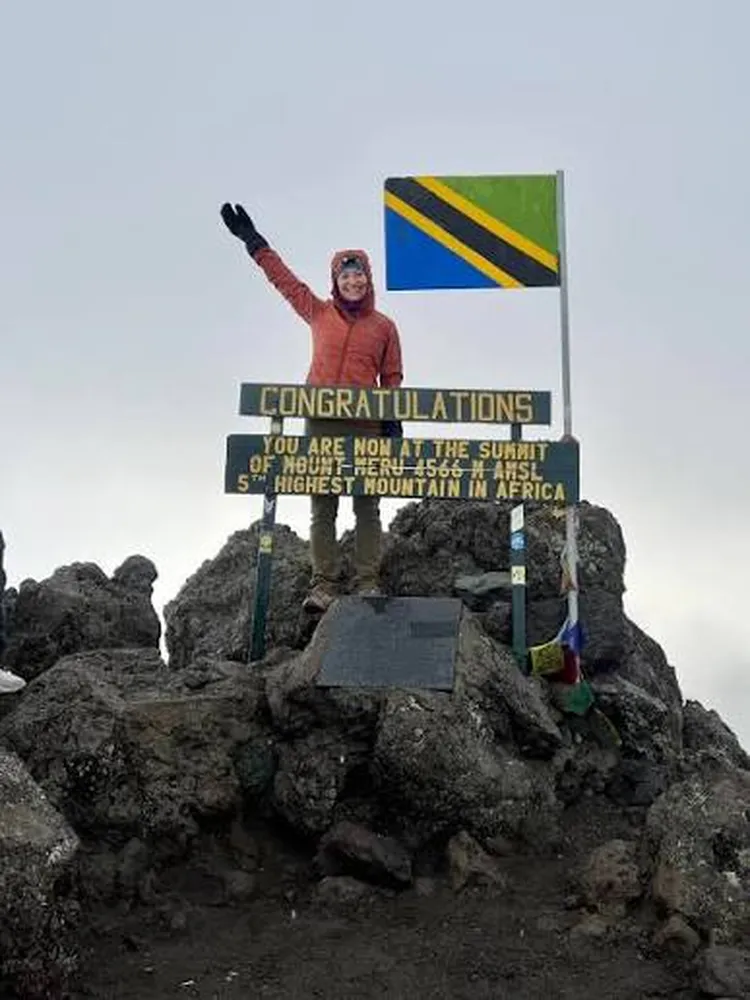
Planning an expedition to Africa's highest peaks demands a crucial decision: identifying how to select top rated local trekking companies for Mount Meru and Kilimanjaro. Choosing native Tanzanian operators ensures your financial investment directly vitalizes the local communities around Moshi and Arusha. More importantly, it bridges your journey with guides who possess generational knowledge of changing mountain microclimates, safe acclimatization pacing, and high-altitude emergency dynamics. This comprehensive roadmap uncovers core credentials, hidden structural vulnerabilities in budget operations, and tactical assessment matrices to maximize safety and peak success.
1. Legal Verification: TALA and Government Licensing
Before assessing custom culinary menus, luxury dome tents, or high-end gear specifications, confirming a mountain agency's baseline legal status inside the United Republic of Tanzania is an absolute, non-negotiable step. To operate legally within the country's national parks, every legitimate local outfitter must possess an active Tourist Agent Licensing Authority (TALA) license, issued annually by the Ministry of Natural Resources and Tourism (MNRT). This single validation acts as a primary shield, protecting international travelers from highly sophisticated fly-by-night operations, ghost companies, and unregistered street brokers operating out of Arusha or Moshi.
The Structural Anatomy of Tanzanian Tourism Licensing
Operating a mountain climbing expedition is not merely a logistical service; it is a heavily regulated legal enterprise. A truly compliant local operator must satisfy several government tiers before they can even purchase a single park permit from TANAPA (Tanzania National Parks Authority). When vetting a company, you should ideally look for or request proof of the following four legal pillars:
- BRELA Registration: Compliance begins with the Business Registrations and Licensing Agency (BRELA), ensuring the company is incorporated with a valid Certificate of Incorporation and clear local shareholding structures.
- TIN and VAT Compliance: A legitimate operator possesses a Taxpayer Identification Number (TIN) and a Value Added Tax (VAT) certificate from the Tanzania Revenue Authority (TRA). This ensures that the mandatory 18% VAT on tourism services is being legally funneled back into the country's infrastructure.
- Active TALA License: The TALA license is the ultimate permit. Without it, a company cannot legally book climbing permits, clear porters at the park gates, or establish mobile camps on Mount Meru or Mount Kilimanjaro.
- Liability Insurance Coverage: Top-rated local operators carry comprehensive public liability insurance policies to cover unforeseen operational disruptions or ground transport mishaps.
The Danger of Subcontracting and Phantom Brokers
Many international travel agencies mask their true operational status. They build beautiful, high-converting websites in Europe or North America, charge premium western prices, and then silently subcontract the entire climb to the lowest-bidding generic third-party field crew on the ground. This practice strips money out of the local economy and leaves you with an unverified team. By cutting out these international middlemen and booking directly with a licensed local provider, you ensure that 100% of your capital stays in Tanzania, directly supporting fair local wages, community development, and sustainable tourism.
To deeply analyze how these financial dynamics play out on the ground and to learn how to distinguish authentic local operators from exploitative middlemen, travelers can consult our comprehensive strategic breakdown on how to compare prices between local and international tour operators in East Africa.
Read More: Price Comparison Guide ---2. Mountain Safety Protocols and Emergency Equipment
At extreme altitudes reaching 4,562 meters on the ash cone of Mount Meru and an imposing 5,895 meters at Kilimanjaro's Uhuru Peak, the ambient atmospheric pressure drops significantly. This rapid reduction in oxygen molecules presents real, life-threatening environmental hazards. Conditions such as Acute Mountain Sickness (AMS) can rapidly degenerate into fatal conditions like High Altitude Pulmonary Edema (HAPE) or High Altitude Cerebral Edema (HACE) if ignored. Premium local providers do not treat medical vigilance as a secondary afterthought; they treat it as a foundational, strict operational mandate.
Advanced High-Altitude Diagnostic Instruments
When interviewing potential local companies, look closely at their technical safety infrastructure. A top-rated operator will proactively pack and deploy a suite of specialized diagnostic tools on every single trek:
- Pulse Oximeters for Automated Health Logs: Guide teams must conduct mandatory, twice-daily medical screenings (every morning and evening). Using a pulse oximeter, they measure and record your oxygen saturation levels and resting heart rate. These numbers are charted against a baseline trend sheet to identify early signs of altitude sickness before clinical symptoms surface.
- Supplemental Emergency Oxygen Systems: Highly rated crews carry pressurized oxygen cylinders on all high-altitude pushes. It is critical to note that this oxygen is explicitly reserved for emergency stabilization during a rapid descent, not to help under-prepared climbers force their way to the summit.
- Hyperbaric Chambers (Gamow Bags): For specialized routes or large groups, premium operators include portable hyperbaric chambers. These inflatable chambers can simulate a rapid altitude descent of several thousand feet within minutes, saving lives when immediate physical descent is blocked by terrain or weather.
- Comprehensive Wilderness First Aid Kits: Medical bags must be fully stocked with broad-spectrum antibiotics, high-altitude medications (like Acetazolamide/Diamox and Dexamethasone), trauma bandages, splints, and rehydration therapies.
Wilderness First Responder (WFR) Guide Certifications
The best safety equipment is useless without elite leadership to operate it. Top-tier Tanzanian trekking companies require their lead guides and assistant guides to hold active Wilderness First Responder (WFR) or Wilderness Advanced First Aid (WAFA) certifications. These certifications are internationally recognized standards managed by bodies like Sentinel Outdoor Institute or Wilderness Medical Associates. This training ensures that your guide can confidently manage high-altitude medical crises, administer emergency medications, and make definitive, calm evacuation decisions under intense pressure.
Helicopter Evacuation Mechanics
In critical emergencies where a climber cannot walk, ground-level crews must coordinate immediate extraction. Top local teams maintain standing rescue protocols with specialized emergency providers like Kilimanjaro SAR and AMREF Flying Doctors. Ensure your operator verifies your travel insurance policy covers helicopter evacuation up to 6,000 meters before setting foot on the trail, guaranteeing that an emergency chopper can land at designated mountain helipads without financial delays.
---3. Porter Welfare and Ethical Alignment Matrix
An operator’s structural treatment of its mountain crew is the absolute truest indicator of its underlying safety culture, operational transparency, and systemic corporate accountability. Mountain porters are not merely supportive labor; they are the literal, beating heart and backbone of every successful expedition in East Africa. They transport heavy, custom-engineered basecamp tents, delicate fresh food supplies, pressurized gas cylinders, heavy medical life-support gear, and international clients' personal duffel bags up vertical, oxygen-depleted slopes. Unfortunately, unregulated, low-cost budget operators consistently slash their upfront consumer prices by directly exploiting these vulnerable local workers—a practice that drastically undermines human rights and severely compromises your personal safety on the mountain.
The Dangerous Economics of Budget Exploitation and Crew Vulnerability
When an unethical tour operator slashes retail prices to unrealistic, "too-good-to-be-true" historic lows, those financial savings are almost never derived from logistical efficiency. Instead, they are violently carved out of the porters' pockets. In the shadow economy of budget trekking, several substandard and predatory practices run rampant:
- Systemic Wage Theft: Rogue operators frequently pay local crews less than half of the government-recommended minimum daily wage. Even worse, some companies force porters to work entirely for tips, withholding their base salary until after the trek is completed, or making arbitrary deductions for "meals" or "transportation" that should legally be covered by the company.
- Caloric Starvation in Extreme Conditions: To minimize weight and cut food costs, budget operations restrict their porters to one or two nutritionally deficient, low-calorie meals per day (often just plain maize flour porridge or basic white rice). On a mountain where a porter expends between 4,000 to 6,000 calories daily carrying heavy loads in freezing temperatures, this deliberate underfeeding leads to rapid physical exhaustion and severe immune suppression.
- Sub-Zero Exposure and Inadequate Gear: While paying clients sleep in heavy-duty, rated down sleeping bags, exploited porters are often forced to sleep huddled together in cramped, single-walled, leaking mess tents. They are frequently left without proper closed-cell foam ground insulation pads, high-altitude windproof jackets, or adequate waterproof footwear, leaving them highly vulnerable to severe hypothermia, frostbite, and systemic respiratory infections.
From a strict safety standpoint, an exhausted, freezing, malnourished, or physically broken porter crew is an operational disaster waiting to happen. If a medical emergency strikes at 5,000 meters, or if a client succumbs to advanced HAPE or HACE and requires an immediate, high-speed litter evacuation down a rocky screed slope, a weak and compromised crew will not possess the physical stamina required to execute a life-saving rescue. By choosing a low-budget company that ignores basic human welfare, you are actively linking your survival to an unstable, neglected support network.
When selecting a climbing company, you must learn to look past flashy digital marketing, stock photography, and fake online reviews to identify these hidden, predatory practices on the ground. To fully safeguard your mountain investment and learn exactly how to analyze local pricing models, read our highly detailed, investigative guide on how to spot the best Kilimanjaro trekking companies on a low budget.
Read More: Low Budget VettingThe Core Institutional Standards of Ethical Porter Treatment
To guarantee that your mountain expedition completely aligns with modern international human rights frameworks and ethical sustainable tourism standards, you should exclusively prioritize local operators that maintain an active, fully verified, and audited partnership with the Kilimanjaro Porters Assistance Project (KPAP). KPAP is a fiercely independent, non-governmental monitoring initiative operating under the global umbrella of the International Mountain Explorers Connection (IMEC). KPAP does not merely issue decorative certificates; their local field officers actively embed themselves anonymously at the national park gates to physically weigh bags, inspect porter clothing, audit tipping practices, and interview crew members away from management.
A legitimate, KPAP-compliant partner company must strictly adhere to a rigorous, non-negotiable matrix of operational worker standards, which includes:
- Fair, Guaranteed Base Wages: Operators must pay a transparent, pre-negotiated daily base wage that meets or exceeds the strict minimum thresholds established by national park authorities and local labor unions. This wage must be paid directly to the porter within 48 hours of completing the trek, regardless of the tips given by the client.
- Strict, Independent Load Caps: A porter's personal luggage allocation and company gear load combined is strictly capped at a maximum of 20kg (44 lbs). Industrial luggage scales are used at the park gates to independently verify every single bag before a footprint is made on the trail, ensuring no worker is subjected to spinal damage or long-term joint trauma.
- Three Nutritious, High-Calorie Meals Daily: Supporting mountain crews must receive at least three freshly cooked, balanced, and nutritionally dense meals every single day. The menu must include adequate proteins, carbohydrates, and clean, hot drinking water to ensure optimal physical recovery after long hours on the trail.
- Dignified, Weatherproof Housing: Porting staff must be provided with high-quality, double-walled, wind-resistant custom tents equipped with heavy-duty waterproof ground tarps and thick, insulated sleeping mats to prevent conductive heat loss from the frozen earth.
- Equal Medical Assessment and High-Altitude Care: Ethical operators treat their crew's health with the exact same level of medical urgency as a paying western client. If a porter displays symptoms of acute mountain sickness, hypothermia, or dental trauma, they are immediately pulled from active duty, given access to the company’s emergency oxygen and medical supplies, and safely evacuated down the mountain with full medical coverage paid by the operator.
| Verification Indicator | Ethical Operator Standards | Substandard Risk Warnings |
|---|---|---|
| Porter Support Status | Full, active, audited alignment with KPAP / Clear, written tipping transparency guidelines provided to clients pre-booking. | No independent association or third-party oversight; vague, defensive answers regarding crew pay, tipping pools, and daily food sourcing. |
| Daily Guide Evaluations | Mandatory pulse and blood oxygen saturation level checks performed twice daily using calibrated medical-grade oximeters. | Subjective visual observations only ("you look fine"); no objective medical data, baseline trends, or written metric logs recorded. |
| Base Equipment Standards | Heavy-duty, double-walled custom mountain tents with high-denier, insulated, fully waterproof bathtub floors and solid aluminum poles. | Cheap, single-walled consumer-grade camping shelters highly prone to severe leaking, fabric tearing, and catastrophic collapsing in high winds. |
| Guide Certifications | Lead and assistant guides hold active, verified Wilderness First Responder (WFR) or WAFA credentials with advanced life-support training. | Guides possess only basic, generic local tourist certificates with zero advanced high-altitude medical training or crisis management protocols. |
| Tipping Transparency | Tips are distributed directly to each individual crew member by the client via a transparent, public tipping ceremony at the end of the trek. | Management demands that all tip money be handed over to the office or head guide in secret, leading to widespread tip skimming and worker extortion. |
4. Route Selection and Acclimatization Success Rates
Peak success depends heavily on the chosen route profile and the built-in time allocated for altitude acclimatization. Top-tier Tanzanian companies rarely promote rapid 5-day climbs on crowded paths, as these short routes carry high altitude illness risks. Instead, they steer adventurers toward strategic, longer route variations like Lemosho, Machame, or Northern Circuit to optimize physical adjustment.
For travelers planning a solo trek or seeking a small group configuration, matching the right operator with your specific group dynamic is essential. Explore our detailed strategic breakdowns on how to choose the best budget safari companies in Tanzania for solo travelers to ensure your provider manages custom camp setups smoothly.
Read More: Solo Traveler Safari Guide5. Frequently Asked Questions (FAQs)
Why should I book directly with local Tanzanian outfits?
Direct bookings keep your money entirely within the Tanzanian economy, supporting local fair wages. This approach also avoids the hefty service fees added by international travel brokers, while keeping you in direct communication with the actual field crew leading your climb.
How can I independently confirm a company's safety records?
Ask for verification of annual high-altitude first aid certifications (such as Wilderness First Responder) for all lead guides. Additionally, confirm that their mountain equipment kits include dedicated emergency oxygen tanks and pulse oximeters as standard gear items.
What is a realistic budget for an ethical 7-day Kilimanjaro climb?
To cover statutory park entrance fees, fair porter salaries, proper food sourcing, and reliable safety tools, sustainable operations generally range from $2,200 to $3,200 USD per climber. Quotes significantly lower than this range often suggest compromised safety standards or poor staff treatment.
6. Verified Reference Materials
This specialized climbing guide draws upon formal high-altitude guidelines and strict regional tourism frameworks:
- Tanzania Tourist Board (TTB) – Official database for tourist agency licensing, TALA operational regulations, and registered guide standards.
- Tanzania National Parks Authority (TANAPA) – National high-altitude park regulations, ranger check station processes, and mountain rescue rules for Meru and Kilimanjaro.
- Kilimanjaro Porters Assistance Project (KPAP) – Independent oversight criteria for porter pay scales, maximum load limits, and ethical outfitter evaluation.