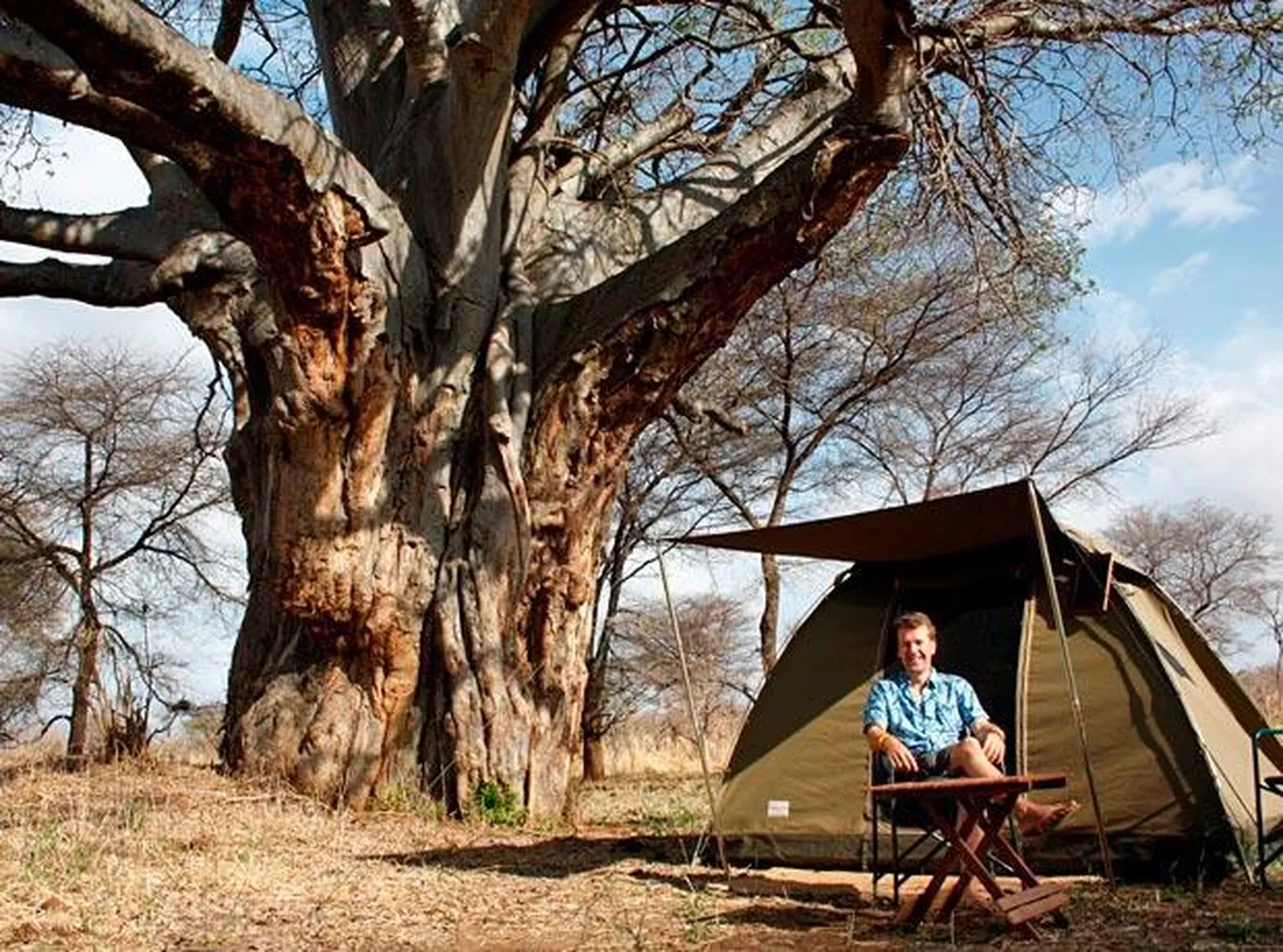
Booking a dream holiday to the Serengeti, Ngorongoro Crater, or Mount Kilimanjaro is an exciting milestone. However, because a premium African safari requires a significant financial commitment, the market naturally attracts fraudulent websites, fly-by-night operations, and unlicensed middlemen. Knowing how to choose a reliable tour operator for Tanzania safari without getting scammed is critical to protecting your hard-earned travel savings and ensuring your personal safety on the ground.
This comprehensive guide details the exact verification steps, financial precautions, and legal checks you must run before signing any contract or wiring deposit payments. By using these rigorous auditing strategies, you can easily separate legitimate, highly rated local experts from malicious online copycats and booking scams.
1. Understanding Safari Scams in East Africa
Most safari scams do not happen inside the boundaries of the national parks; instead, they take place entirely in the digital space during your initial planning and booking phases. Fraudulent operators have mastered the art of digital deception. They typically clone legitimate websites, steal high-definition imagery from ultra-luxury bush lodges, and present themselves as established, premium destination management companies. By utilizing sophisticated online advertising, they lure unsuspecting travelers with rock-bottom prices that are mathematically impossible to sustain under real regulatory frameworks. Once they secure an immediate, irreversible bank wire transfer or cryptocurrency payment, they maintain radio silence or vanish completely right before your scheduled arrival date, leaving you stranded at the airport with zero reservations.
Another common and highly risky issue involves unlicensed "fly-catcher" street brokers operating heavily out of major transit hubs. These independent middlemen do not own asset infrastructures, possess valid commercial passenger transport insurance, or maintain legal employment contracts with safari guides. They lease old, unserviced vehicles on the fly, which frequently results in mechanical breakdowns in remote, predator-dense sectors of the wilderness where emergency response is non-existent. When navigating the complex budget sector, travelers must perform due diligence to avoid these traps. For a complete safety blueprint, you can read our detailed breakdown on how to safely navigate low-cost options without compromising your personal security.
2. Verifying Official Registration and Legal Licensing
Every single legitimate, law-abiding tour operator in the United Republic of Tanzania must be formally vetted, cleared, and registered with multiple government oversight ministries before they can legally commercialize tourism services. You should never take an agent’s email confirmations or digital invoices at face value. A sophisticated scammer can easily forge a PDF invoice or insert high-quality corporate logos onto a blank document. To protect your travel capital, you must explicitly request clear, verifiable visual proof of their current and active statutory operating credentials.
A legally compliant and transparent tour operator will happily provide their corporate registration numbers without hesitation or defensive pushback. Once you receive these credentials, you must independently cross-reference and audit their active legal status. For a seamless, step-by-step walkthrough on how to utilize public government portals to verify an agency's standing, read our comprehensive field-tested verification manual.
When conducting your corporate audit on a Tanzanian safari provider, ensure they possess the following three non-negotiable statutory pillars:
- BRELA Incorporation Certificate: Issued by the Business Registrations and Licensing Agency, this legally binding document confirms that the company is a recognized corporate entity with a physical local headquarters, verified shareholder structures, and legal accountability under Tanzanian corporate law.
- Valid TALA License (Tourist Agent Licensing Authority): This is the absolute lifecycle document for any safari provider. Issued annually by the Ministry of Natural Resources and Tourism, a valid TALA license proves the company has met stringent vehicle safety criteria, ethical standards, and operational guidelines. Without a valid TALA license number, an agency cannot legally purchase official conservation entry permits at park gates.
- TRA Taxpayer Identification Number (TIN) & VRN: A verified TIN and Value Added Tax Registration Number (VRN) confirm that the company actively files taxes with the Tanzania Revenue Authority. Scammers operating phantom websites will never have a verified corporate tax profile mapped to a local Tanzanian bank account.
3. The Power of Industry Associations (TATO & TTB)
Reputable operators maintain active professional ties with local and international trade associations. These institutions enforce strict ethical guidelines, financial audits, and operational standards among member agencies. Checking membership directories provides an immediate, foolproof safety layer.
When evaluating localized operators across major transport hubs, knowing how to find the best local safari companies in Moshi and Arusha helps filter out independent brokers who lack authorized association backings.
| Association | Acronym | Primary Safety Value for Travelers |
|---|---|---|
| Tanzania Association of Tour Operators | TATO | Ensures strict compliance, ethical pricing, and standard emergency protocols. |
| Tanzania Tourist Board | TTB | The official government regulatory body that confirms authentic destination operators. |
| Kilimanjaro Porters Assistance Project | KPAP | Crucial for climbs; verifies ethical staff treatment and fair wage distribution. |
4. Spotting Payment and Banking Red Flags
The clearest warning sign of a safari scam lies within the payment instructions. A verified, authentic tour agency will always have a dedicated, multi-currency corporate bank account registered under their exact legal business name (e.g., Example Safaris Ltd).
Critical Security Warning: Never send wire transfers, Western Union payments, or mobile money deposits to an individual person's name. If an agent claims their corporate banking portal is "temporarily down for maintenance" and asks you to send funds to a personal account, stop all communications immediately. This is a classic scam mechanism.
Whenever possible, utilize secured online credit card merchant payment systems (like DPO Group or standard bank gateways). Even though credit card transactions carry a processing surcharge of roughly 3.5% to 5%, they provide valuable consumer protection and fraud-chargeback capabilities that bank transfers cannot match.
5. Comparing Prices: Avoiding Fake Extreme Deals and Hidden Costs
Tanzania is globally recognized as a premium, low-density, high-value eco-tourism destination. The primary reason a safe and legal safari carries a higher price tag is because of the strict conservation model managed by the Tanzanian government. The Tanzania National Parks Authority (TANAPA) and the Ngorongoro Conservation Area Authority (NCAA) levy mandatory statutory fees that every single tour operator must pay upfront. These include daily park conservation fees, vehicle entry fees, concession fees for staying inside the park boundaries, and rescue fees. For iconic locations like the Serengeti National Park and the Ngorongoro Crater, these fees alone can easily exceed $70 to $100+ per person, per 24-hour cycle, even before accounting for your actual fuel, vehicle maintenance, professional guide wages, food, or luxury lodge accommodations.
When you are scanning the market for quotes, you will inevitably encounter extreme pricing anomalies. If an operator provides you with an itinerary that seems incredibly cheap compared to the standard market average, you are almost certainly looking at an operational scam or a highly dangerous bait-and-switch trap. Fraudulent or sub-standard operators deliberately exclude the mandatory TANAPA park entrance fees, camping fees, or VAT from their initial quotes to make their prices look highly attractive. Once you land in Tanzania or arrive at the park gate, they will hit you with high-pressure demands for thousands of dollars in hidden fees, claiming those were "government additions" not covered in the base package. To avoid this financial trap, you must demand a fully line-itemized, breakdown invoice showing that all government taxes, concession fees, and national park entry fees are fully pre-paid and included. To build a robust baseline of realistic market operational expenses and protect your pocket, read our strategic comparison analysis between regional providers.
6. Vehicle Standards, Operational Fleet Integrity, and Safety Measures
The success of your wilderness expedition depends entirely on the mechanical reliability of the vehicle you are traveling in. Unlicensed street brokers, phantom agencies, and low-tier operators aggressively cut corners on asset maintenance to increase their profit margins. They frequently operate old, poorly serviced, non-customized generic minivans or low-clearance vehicles that are fundamentally unsuited for the brutal, corrugated washboard roads of the African bush. Choosing a company that uses substandard transport structures can completely ruin your holiday. Mechanical breakdowns in remote areas like the deep Serengeti, western corridor, or southern circuits can leave you stranded for hours without a working cellular connection, clean water, or emergency support under a blistering sun.
Before you commit to a contract or wire a deposit, you must explicitly demand actual, unedited real-time photographs or video clips of the exact vehicle fleet owned or leased by the agency. A legitimate, high-quality tour operator will proudly display their customized, heavy-duty 4x4 extended Toyota Land Cruisers. These vehicles are custom-engineered for the rugged Tanzanian terrains and must feature specific, non-negotiable modifications. They must have integrated, heavy-duty suspension packages, dual backup batteries, two spare tires mounted to the chassis, and an institutional pop-up roof designed specifically for unobstructed 360-degree wildlife photography. Furthermore, the interior must be equipped with essential safety systems, including functional long-range High-Frequency (HF) or Very High-Frequency (VHF) radio communication gear for guide-to-base emergency check-ins, a fully stocked medical first-aid kit, integrated charging ports, an inverter, an onboard fridge to prevent hydration issues, and fully functional, individual seatbelts for every single traveler.
7. Analyzing Reviews, Digital Footprints, and Local Legitimacy Safely
In the modern digital landscape, you cannot simply rely on the glowing review snippets, testimonials, or logos showcased directly on a tour company’s primary homepage. These elements can be easily fabricated, duplicated, or artificially generated using basic web design tools. To perform a comprehensive reputation audit, you must step away from the operator’s own platforms and look deep into independent, authoritative third-party travel directories that feature verified booking footprints and stringent fraud-detection algorithms. You should actively audit the agency’s long-term historical records across platforms like TripAdvisor, SafariBookings, and Google Maps reviews.
When analyzing these public review profiles, you must look closely at the timelines and distribution dates of the user feedback. A genuine, established, and highly professional safari company will consistently showcase a steady, natural stream of reviews spreading back over several consecutive years. Be exceptionally wary of newly created business listings that feature dozens of highly enthusiastic, five-star reviews all published within the same tight timeframe of a few weeks or months. This pattern is a major red flag indicating a paid, fraudulent review generation campaign designed to mask a ghost operation. Read the middle-tier three-star and four-star reviews to gain a truly balanced perspective on their operational performance, guide knowledge, punctuality, and responsiveness during unexpected logistical challenges.
Beyond standard online review metrics, you should evaluate the social and community footprint of the business. Checking if the agency has deep, generational roots in the destination country is a powerful shield against international internet fraud. Operators with an authentic local presence are highly invested in maintaining their long-term regional brand reputation and compliance. Learning how to identify and partner with genuine homegrown businesses ensures that your travel capital is perfectly secure and directly supports local families, community conservation programs, and ethical wildlife guides. Read our master structural guide to learn how to distinguish authentic local-owned operators from foreign-registered digital middlemen.
8. Frequently Asked Questions (FAQs)
What is a TALA license, and why is it important?
A TALA (Tourist Agent Licensing Authority) license is a mandatory government permit issued by the Ministry of Natural Resources and Tourism. Operating without it is illegal, and any company lacking a valid license cannot secure official entry permits for safari vehicles into national parks.
Can I book my safari directly upon arrival at Arusha or Kilimanjaro airport?
While possible, booking last-minute at airports or from street operators leaves you highly vulnerable to high-pressure sales tactics, unlicensed vehicles, and inflated prices. Booking well in advance allows you to run proper license checks and secure confirmed lodge reservations safely.
Are safari deposits refundable if the operator cancels?
Legitimate operators maintain transparent booking terms and conditions detailing their exact cancellation policies. Always read the fine print regarding refunds before making a deposit, and ensure your travel insurance covers tour operator insolvency.
Conclusion: Your Blueprint for a Safe Safari Booking
Avoiding safari scams comes down to patience, verification, and attention to detail. Never rush into a booking because of high-pressure sales pitches or "limited-time offers." Demand official corporate credentials, verify active memberships on the TATO website, cross-reference pricing with official TANAPA entry fees, and only send funds to registered corporate bank accounts. By following these practical safety steps, you can book your Tanzanian safari with complete peace of mind.