





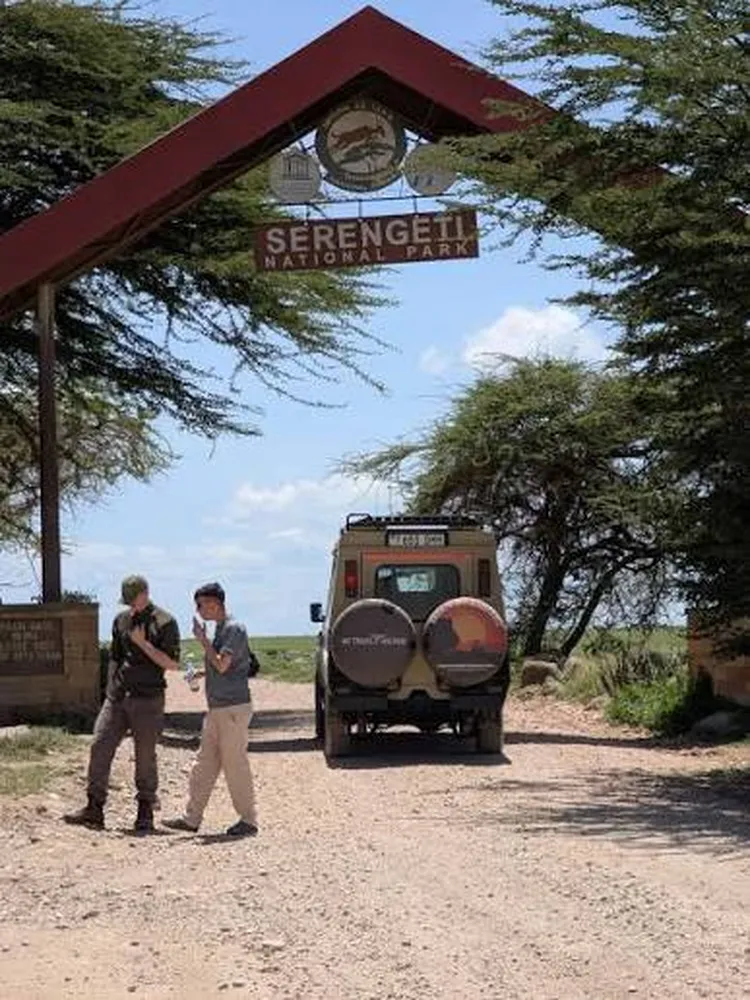
Introduction: The Ultimate Fly-In Safari Experience
Opting to skip the bumpy, eight-hour overland driving route by learning how to fly from Arusha to Serengeti on a 6 day tour transforms your East African safari into an efficient, scenic luxury experience. The standard driving route across Northern Tanzania, colloquially known as the "massage road," introduces severe physical fatigue and consumes two full days of your itinerary purely in highway transit. By taking to the air, you trade dusty, potholed roads for panoramic views of the Great Rift Valley, Mount Meru, and the volcanic craters of the Ngorongoro Highlands.
A 6-day window is the absolute sweet spot for a fly-in safari. It gives you enough time to explore multiple distinct regions of the Serengeti without feeling rushed, while maximizing every morning and afternoon during peak predator activity hours. However, flying into a remote bush ecosystem requires precise logistical planning. From selecting the proper runway near your specific camp to choosing licensed operators and managing strict weight restrictions, this guide provides the exact operational framework you need for a flawless aviation experience.
Read More About Logistics1. Core Aviation Logistics & Airstrips
When organizing your air transit, the most important detail is identifying exactly which airport you are leaving from and where your lodge requires you to touch down. Most scheduled light aircraft depart directly from Arusha Airport (ARK), a small regional hub located just on the outskirts of Arusha city, rather than Kilimanjaro International Airport (JIA), which handles the large overseas international arrivals. If your international flight lands at JIA, you will need to arrange an overland road transfer of roughly 60 to 90 minutes to reach Arusha Airport for your bush connection.
The Serengeti ecosystem is massive, covering nearly 14,763 square kilometers. To serve this vast wilderness, the park utilizes several small dirt, gravel, or asphalt bush tracks. Selecting the incorrect strip can lead to an unexpected, multi-hour overland drive just to reach your camp, completely defeating the purpose of flying. Review the primary runways listed below to ensure you align your flight ticket with your accommodations:
- Seronera Airstrip (SEU): Located right in the heart of the Central Serengeti. This is the busiest strip in the park, featuring basic passenger lounges and fueling stations. It is perfect for travelers staying at central luxury lodges to view resident big cats, large elephant herds, and the iconic Serengeti acacia landscapes.
- Kogatende Airstrip: Positioned in the remote Northern Serengeti near the famous Mara River. Book this runway if your 6-day tour focuses on monitoring dramatic river crossings during the Great Migration season (typically July to October).
- Grumeti Airstrip: Located in the Western Corridor, ideal for travelers tracking the herd’s migration movement during the early summer months (May to June) when the wildebeest face the treacherous Grumeti River.
- Ndutu Airstrip: Situated right on the border of the southern plains and the Ngorongoro Conservation Area. This is the premier destination for targeting the synchronized calving season between January and March.
To ensure a flawless logistical layout, learning how to navigate Tanzania airstrips in 6 days will give you a clear map of regional hubs, arrivals, and ground pickup processes.
Read More About Luggage Limits2. Strict Baggage Weight and Volume Limits
Operating standard bush aircraft like the Cessna Grand Caravan 208B or the Twin Otter requires extremely strict weight and balance calculations. Because these small turboprop planes carry limited payload capacities, regional carriers enforce rigid rules that differ completely from major international airlines. Safety is the driving factor here: small planes are highly sensitive to weight distribution, especially when taking off from high-altitude, unpaved bush runways in hot midday conditions.
Travelers must limit all checked luggage to a maximum weight of 15 kilograms (33 pounds) per passenger, which strictly includes your hand carry-on bags and heavy camera gear equipment. Furthermore, hard-shell suitcases featuring rigid plastic walls, internal metal frames, or extended aluminum wheel structures are completely banned. These large hard cases cannot physical fit inside the narrow, oddly shaped belly pods underneath the plane's fuselage.
Crucial Packing Rule: All gear must be packed into flexible, soft-sided duffel bags made of canvas, nylon, or soft leather. These bags can be easily manipulated, compressed, and stacked into the tight cargo pods by the ground crew.
If you fail to pack within these limits, you risk leaving your extra gear behind at the airport or paying hefty fees to charter a separate cargo flight. Reviewing how to prepare for fly-in luggage limits on a 6 day safari will help you organize a compact packing list full of light, layers-based clothing without running into standard check-in delays.
Read More About Fleet Carriers3. Domestic Fleet Carriers & Pricing Structures
Tanzania features several highly reliable regional airlines that operate daily scheduled flights connecting Arusha directly to the wilderness. Two of the most widely recognized carriers are Coastal Aviation and Auric Air, both running flawless safety standards, modern fleets, and multiple morning departures. These airlines operate like a bus service in the sky, meaning a single flight from Arusha to Northern Serengeti might make brief, 10-minute stops at Seronera or Manyara to drop off or pick up other safari travelers.
Ticket prices generally range from $250 to $450 USD per person for a one-way trip, heavily depending on the specific seasonal demand, fuel surcharges, and how far into the northern plains you are flying. For a transparent view of the market options, you can consult the official route schedules on the Coastal Aviation Official Website.
| Flight Route | Average Duration | Key Carrier Options |
|---|---|---|
| Arusha (ARK) to Seronera (SEU) | 60 - 90 Minutes | Coastal Aviation, Auric Air, Regional Air |
| Arusha (ARK) to Kogatende | 110 - 130 Minutes | Coastal Aviation, Auric Air |
| Seronera (SEU) to Zanzibar (ZNZ) | 120 - 160 Minutes | Coastal Aviation, Flightlink |
If you prefer dedicated, highly flexible routing built purely around your personal daily timetable, it helps to understand how to book Coastal Aviation for 6 days safari to secure private family seats or premium luggage upgrade tiers.
Read More About Itinerary Structure4. Structuring Your 6-Day Fly-In Itinerary
A standard 6-day fly-in itinerary maximizes your wilderness exposure by cutting out two whole days of exhausting highway driving. Rather than spending valuable hours bumping along dirt roads, you can spend your time viewing massive lion prides and vast plains. Here is a highly efficient operational blueprint for a 6-day tour:
Day 1: Arrival & Flight to Central Plains
Board a 08:00 AM flight from Arusha Airport. Land at Seronera Airstrip by 09:30 AM, where your private 4x4 safari guide is already waiting with an open-sided vehicle. Enjoy an afternoon game drive looking for leopards along the Seronera River valley before checking into your luxury camp for sundowners.
Days 2 & 3: Deep Wilderness Exploration
Dedicate these full days to early morning tracking. Because your regional flight placed you directly inside the park boundary, you can venture deep into remote kopjes (rock formations) before crowds arrive from the outside gates. This gives you unparalleled access to active predator hunts.
Days 4 & 5: Northern Migration or Scenic Transfers
Take a quick point-to-point hopper flight up to Kogatende or the Western Corridor, adjusting your base based on the time of year. Discovering how to travel between lodges on a 6 day safari allows you to split your accommodation seamlessly between two completely different geographic zones without losing precious viewing hours.
Day 6: Final Morning Game Drive & Return to Arusha
Enjoy a final morning game drive, eat a bush lunch, and catch the afternoon scheduled return flight straight back to Arusha to connect smoothly with your outbound international flight home.
5. Expert Technical Tips & Booking Protocols
To avoid standard industry traps and secure the best possible value for your premium tour, implement these operational safety steps:
- Secure Group Space Early: The small 12-to-14-seat aircraft fill up incredibly fast during the peak dry months from July to October. Always book your internal air sectors simultaneously alongside your lodge reservations to secure space.
- Verify Licensing Credentials: Protect your travel funds and peace of mind by choosing operators with valid regional certifications. Check out how to choose safe and licensed domestic safari flight agencies in Tanzania to review safety records, fleet age, and operating conditions.
- Plan for Weather Delays: Morning ground mist over the Arusha coffee plantations can occasionally delay early departures. Always keep a flexible window of at least four to five hours between your bush return flight and your evening international departure back home.
6. Frequently Asked Questions (FAQs)
What is the exact flight time from Arusha to the Serengeti plains?
A direct flight from Arusha Airport (ARK) to Seronera Airstrip takes roughly 60 to 75 minutes. Flying further north to Kogatende adds an extra 30 to 45 minutes of airtime depending on intermediate stops.
Can I bring a hard suitcase if I pay for an extra seat?
No, hard-shell suitcases are restricted regardless of purchased weight capacity because they cannot physically bend to fit inside the narrow baggage pods. You can buy an extra 15kg allowance, but it must be packed inside a flexible, soft duffel bag.
Do bush planes operate in the evening or at night?
No, all flights between Arusha and the Serengeti operate under Visual Flight Rules (VFR) and are completed purely during daylight hours. The final daily departures out of the bush usually take off between 03:30 PM and 04:30 PM to ensure safe landings before dark.
Strategic In-Flight Advantages & Optimization
Choosing to fly rather than drive isn't just about saving physical energy; it fundamentally changes the photographic and viewing landscape of your entire safari. When you fly at lower cruise altitudes (typically between 5,000 to 10,000 feet) in a Cessna Grand Caravan, you are treated to a live geographical masterclass. You will distinctly trace the sheer dropping walls of the Gregory Rift, witness the dramatic shimmering expanse of Lake Manyara, and watch the dense, mountainous green forests of the Ngorongoro Conservation Area dissolve into the endless golden horizons of the Serengeti plains.
Furthermore, standard overland vehicles entering the park are restricted by strict gate operating hours and rigid transit routes. A fly-in itinerary ensures that you land deep within the interior park boundaries, effectively bypassing the congested entry gates like Naabi Hill. This operational shortcut places you directly in prime wildlife areas during the golden hours of early afternoon, long before the dusty overland vehicle caravans manage to complete their cross-country drives.
Read More About Flight ProtocolsEmergency, Medical Evacuation & Weather Contingency Protocols
Operating light aircraft across remote African bush networks requires strict adherence to seasonal weather shifts and proactive safety standards. During the transition periods between the dry season and the short rains (typically late October into November), early morning ground fog can develop rapidly over the Arusha coffee plantations and the humid western valleys of the Serengeti. Because these bush flights run strictly under Visual Flight Rules (VFR), pilots will delay takeoffs until ground visibility meets legal aviation safety limits.
To insulate your premium international travel plans from these occasional delays, savvy travelers implement a mandatory security buffer window. Never book your return bush flight to land in Arusha just two hours before your massive international flight home departs from Kilimanjaro International Airport (JIA). Always ensure a minimum gap of five hours, or better yet, plan your final night’s stay at a luxury coffee lodge in Arusha to ensure a completely stress-free transition.
Premium Travel Tip: Ensure your tour package includes integrated AMREF Flying Doctors emergency evacuation insurance. In the rare event of a medical emergency in the bush, an air ambulance configured with life-support equipment can land directly at your nearest Serengeti bush runway within hours to airlift you to world-class trauma centers.Read More Conclusion Details
Conclusion: Elevated Travel Intel & Final Strategic Verdict
Mastering how to fly from Arusha to Serengeti on a 6 day tour is the ultimate differentiator between an exhausting, dusty road trip and a highly sophisticated, world-class African aviation adventure. Every element of the fly-in architecture—from matching the precise GPS coordinates of your remote bush runway to compressing your gear into flexible 15kg soft-sided duffel bags—is engineered to buy you the most valuable commodity in East Africa: undisturbed time in the presence of the wild.
By bypassing the punishing eight-hour overland transit routes, you preserve your physical energy for long, exhilarating early morning tracking sessions and exclusive night game drives. You transform dead travel days into active safari experiences. When you partner with fully licensed, audited regional carriers operating modern turboprop fleets out of Arusha Airport, you confidently secure peace of mind alongside unparalleled aerial views. Plan your sectors early, pack smart and light, and prepare to experience the endless plains of the Serengeti from the most spectacular vantage point available.
References & Institutional Frameworks
Tanzania Civil Aviation Authority (TCAA): Domestic Air Operator Certification Manual & Wilderness Runway Maintenance Directives (Revised 2026).
International Air Transport Association (IATA): Small Aircraft Dangerous Goods Regulations & Maximum Payload Weight/Balance Frameworks for Unpaved Airfields.
Tanzania National Parks Authority (TANAPA): Serengeti Ecosystem Bush Airstrip Security, Infrastructure Updates, and Passenger Safety Manifest Mandates.