





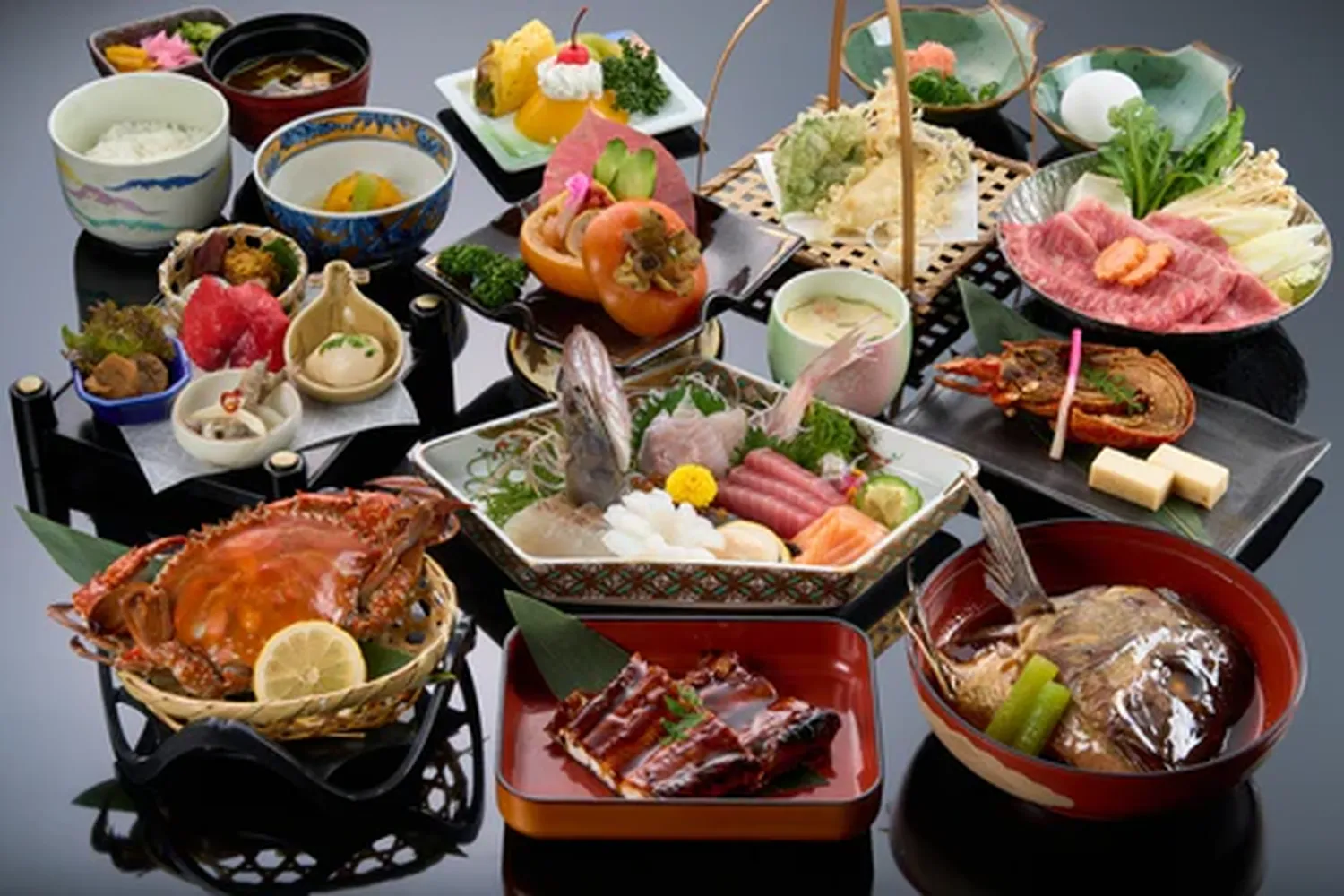
Unlocking the deeper layers of East Asia requires understanding how to explore the culture and cuisine of Japan. The island nation seamlessly intertwines centuries-old heritage frameworks with ultra-modern urban spaces. By matching historic temple trails with distinct neighborhood culinary formats, independent global travelers can experience a profoundly rich, unforgettable journey. This strategic guide covers the foundational systems, regional food specialties, and etiquette norms needed to confidently navigate Japan’s vast cultural landscapes.
Foundational Pillars of Japanese Culture
To truly understand daily life across the country, travelers must recognize the twin concepts of Shintoism and Buddhism. These spiritual roots shape the elegant architectural lines of historical shrines and define the quiet, intentional atmosphere found in local gardens. If you have previously learned how to explore the best places in Asia for adventure seekers, you will appreciate how Japan honors its heritage with quiet preservation rather than high-octane environments.
Artistic precision shows up in nearly every aspect of daily life. From the careful movements of a Kyoto tea ceremony to the perfect folds of traditional textile art, everything is done with deep intention. Taking time to sit quietly in Zen rock gardens or visiting rural mountainside artisan villages gives you a clear window into this highly focused cultural mindset.
The Regional Cuisine System Breakdown
Authentic Japanese cooking, globally recognized as Washoku, relies heavily on showcasing natural seasonal flavors and using fresh, locally sourced ingredients. Instead of relying on heavy spices, chefs use careful knife skills and light enhancements to highlight the pure qualities of each component.
| Region Hub | Iconic Food Item | Flavor Profile |
|---|---|---|
| Tokyo (Kanto) | Edomae Sushi | Fresh, rich, soy-marinated accentuations |
| Osaka (Kansai) | Takoyaki & Okonomiyaki | Savory, rich batters with deep umami sauces |
| Hokkaido (North) | Miso Ramen & Crab | Hearty, buttery, comforting cold-weather broths |
| Kyoto (Central) | Kaiseki Ryori | Delicate, beautifully presented multi-course dining |
Food styles change significantly as you move across the country. The northern districts lean into hearty, rich broths and sweet seafood options, while southern island environments favor dynamic flame-grilled pork variants and refreshing noodle styles. Sampling these hyper-local variations is a core highlight for anyone focusing on how to explore the culture and cuisine of Japan.
Crucial Dining and Social Etiquette Rules
Following local customs shows deep respect and helps you connect naturally with the neighborhood communities you visit. While residents are incredibly welcoming to international guests, keeping a few baseline social habits in mind will keep your interactions smooth and positive:
- The Chopstick Baseline: Never stick your chopsticks upright into a bowl of rice, and avoid passing food pieces directly from tool to tool. Both of these actions mirror solemn traditional funeral rites.
- Walking and Eating: Consuming food items while walking down public footpaths is generally seen as impolite. Enjoy your street food purchases right next to the stall where you bought them.
- Footwear Separation: Always take off your outdoor shoes whenever you see raised wooden entryways or soft tatami straw mats. Change into the provided guest slippers instead.
Similar to learning minimalist packing strategies for an immersive trip, like reading up on how to backpack through Thailand: a complete guide, showing cultural awareness in Japan opens doors to genuine hospitality from local hosts.
Top Cultural and Food Hubs to Visit
To experience the absolute best of Japan's historical architecture and culinary traditions, your itinerary should mix energetic urban centers with peaceful rural escapes.
Start your journey in Tokyo by exploring the historic temple grounds of Asakusa, then head over to the lively food stalls of Tsukiji Outer Market for breakfast. Next, take the sleek Shinkansen bullet train over to Kyoto, where you can spend your afternoons walking through the bamboo groves of Arashiyama and your evenings enjoying a traditional multi-course meal in the historic Gion district. If your international travels eventually take you toward other historical epicenters, you can apply similar cultural discovery methods by learning how to visit historical sites in Egypt.
For a complete picture of the country's diverse landscapes, consider checking out the dynamic food markets of Osaka or heading north to explore the historic timber villages of Takayama. For official travel guidelines, entry updates, and seasonal festival schedules, refer directly to the Japan National Tourism Organization to help streamline your trip planning.
Frequently Asked Questions
Is it hard to find vegetarian food options in Japan?
While traditional fish dashi broths are very common, major cities have seen a big rise in plant-based dining. You can also experience historic Buddhist vegetarian meals, known as Shojin Ryori, at temple stays across the country.
Should I leave a cash tip for good service at restaurants?
No, tipping is not practiced anywhere in Japan. Exceptional service is always included in the bill, and leaving extra coins behind on the table can sometimes cause confusion.
What is the best season to plan a cultural food trip?
Spring offers beautiful cherry blossoms and seasonal treats, while autumn features stunning fall foliage and rich harvest ingredients. Both seasons provide perfect weather for exploring.
Conclusion: EMBARK ON YOUR JAPANESE ODYSSEY
Mastering how to explore the culture and cuisine of Japan comes down to traveling with curiosity and respect. By taking the time to learn local etiquette, trying unique regional dishes, and exploring historic neighborhoods, you will discover the unique harmony that defines this incredible country. Pack your bags, keep an open mind, and step into an extraordinary cultural journey across Japan.