





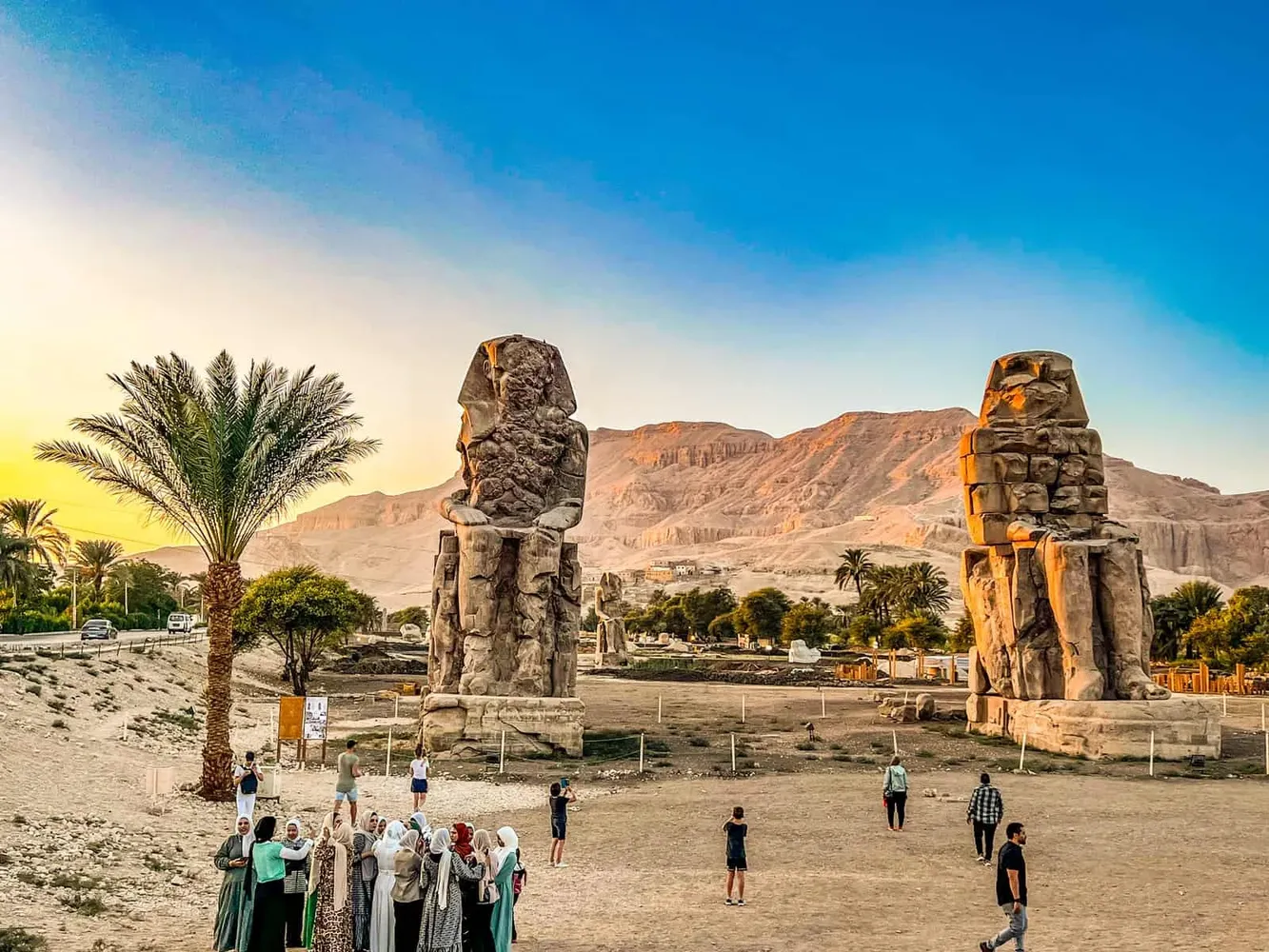
Mastering how to visit historical sites in Egypt requires balancing complex regional geography, modern ticketing platforms, and intense desert climate dynamics. Moving through thousands of years of ancient architecture demands structured itineraries rather than open-ended travel pathways. This technical manual details exactly how to split your route into core geographic hubs, apply official reservation rules, and utilize localized infrastructure metrics to ensure an efficient, safe exploration of ancient ruins.
1. Geographic Segmentation of Antiquity Hubs
The primary error when organizing an independent route through Egypt is attempting to treat the entire territory as a single destination block. To plan an excellent archaeological tour, you must break the country down into precise geographic regions. This systematic setup prevents transit exhaustion, mirroring the calculated methods used when learning how to explore off-the-beaten-path destinations in Africa with high logistical efficiency.
To maximize your site study windows, focus on three distinct regional zones:
- The Lower Egypt Sector (Cairo Apex): Centered around the Giza Plateau, Saqqara, Dahshur, and the Grand Egyptian Museum (GEM). Focuses on Old Kingdom pyramid architecture.
- The Upper Egypt Sector (Luxor Core): Encompasses the Valley of the Kings, Karnak Temple, and Luxor Temple. This dense zone holds the highest concentration of New Kingdom rock-cut tombs and temples.
- The Southern Frontier Sector (Aswan Border): Includes Philae Temple and the complex structures of Abu Simbel near Lake Nasser. Focuses on late Ptolemaic installations and monumental rock carvings.
2. Logistical Infrastructure and Internal Transit
High-performance travel across these ancient regions relies entirely on choosing the right transit systems. Moving from Cairo down to Upper Egypt requires choosing secure, reliable long-distance options. If you want to include dynamic routes in your plans, understanding these domestic transport layers is just as critical as knowing how to plan the ultimate road trip itinerary through California or mapping open pathways in remote areas.
| Transit Method | Target Distance Baseline | Operational Safety Risk |
|---|---|---|
| Domestic Aviation | Cairo to Aswan (approx. 1.5 hours) | Fixed flight times drop sudden changes |
| Nile River Cruise | Luxor to Aswan (approx. 3 to 4 days) | Slower pacing shifts daily schedules |
| Private AC Vehicle | Local site hops (under 35 miles) | Traffic density impacts peak morning hours |
| Archaeological Complex | Primary Structural Property | Optimal Daily Entry Time |
|---|---|---|
| Giza Necropolis | Khufu pyramid and Sphinx limestone | 07:30 AM to 09:30 AM |
| Karnak Complex | Hypostyle columns and massive obelisks | 06:00 AM to 08:00 AM |
| Abu Simbel Temples | Twin twin-cut rock facade models | 05:00 AM (Early convoy arrival) |
For travelers organizing multi-destination plans across the globe, pairing these African antiquities structures with other high-value regional frameworks provides great balance. For example, learning how to explore the culture and cuisine of Japan highlights how strict infrastructure rules can transform your travel flow, showing that organized, step-by-step logistics reliably decrease crowd friction at premium world heritage spots.
4. Step-by-Step Historical Tour Framework
To successfully access and tour major ancient compounds, execute the standard sequence defined below:
Step 1: Verify Visa and Passport Parameters
Confirm your origin passport holds at least 6 months of validity past your planned departure date. Secure your official documentation via the verified digital portal provided by the Egypt e-Visa Official Portal before organizing domestic flights.
Step 2: Purchase Unified Pass Elements
Secure digital entry authorizations directly from official ministry platforms. Use comprehensive options like the Cairo Pass or Luxor Pass to save on multiple monument entries during your stay.
Step 3: Arrange On-Site Thermal Safeguards
Plan your daily schedules around the midday desert heat index. Always schedule open-air tomb visits for early morning sessions, and move into air-conditioned interior museum halls when afternoon temperatures peak.
5. Frequently Asked Questions
What is the main variable when researching historical sites in Egypt?
The core variable is geographic grouping, ensuring you minimize domestic travel times between different dynasties and locations.
How can we control expenses on premium antiquities trips?
Travel during shoulder seasons, buy unified regional passes, and use official digital channels to avoid unauthorized on-site upcharges.
Which digital frameworks offer the most accurate safety logs?
Official ministry updates, civil transit registries, and direct government immigration portals provide the cleanest information, completely free of commercial bias.
Conclusion: Engineering the Optimal Egyptian Route
Structuring an exceptional trip through Egypt comes down to precise geographic grouping and using official booking pathways. By setting clear regional travel hubs, scheduling entry around peak heat hours, and protecting your budget with unified digital passes, you build a resilient, high-value tour. Implement these operational baselines systematically to ensure your historical routes run with complete logistical security.