





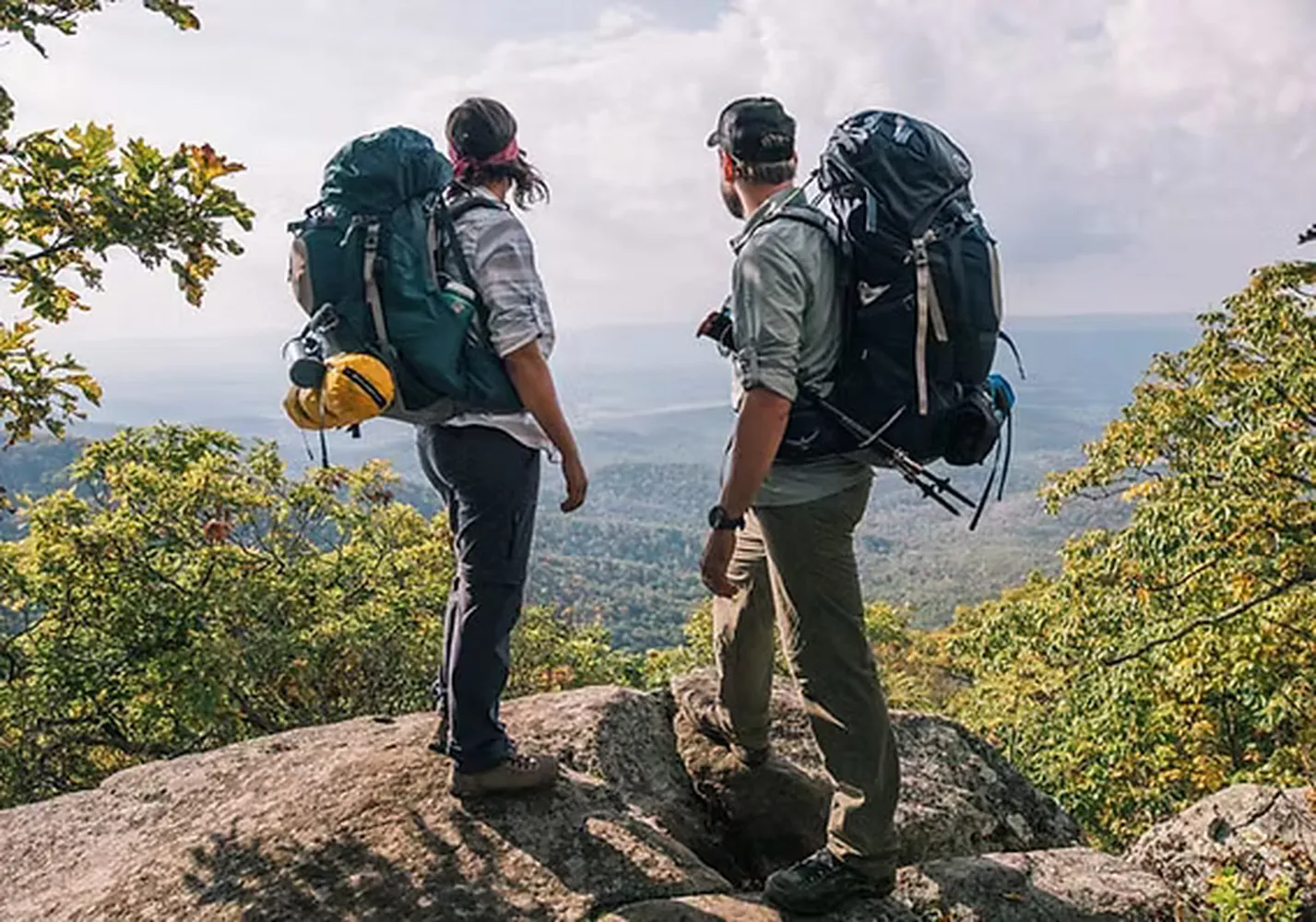
Figuring out how to backpack through Thailand remains a quintessential right of passage for independent travelers. With its seamless mix of hyper-energetic street food scenes, profound historical architecture, and highly affordable island infrastructure, Southeast Asia’s most accessible hub welcomes millions of adventurers annually. Whether you are stepping out on your very first journey or adding to a long list of global adventures, this comprehensive resource maps out the pathways, baseline costs, and localized strategies needed to navigate the kingdom smoothly.
Why Choose Thailand for Backpacking?
Thailand serves as the primary gateway to mainland Southeast Asia for good reason. For those learning how to travel to top 10 budget-friendly destinations, Thailand delivers a balanced environment where your funds stretch incredibly far without sacrificing modern tracking tech, clear transport paths, or clean accommodation options.
The geography neatly splits into two distinct operational hubs: the rugged, cultural northern mainland and the vast, tropical island networks of the south. This setup allows you to easily customize your journey, shifting seamlessly from exploring deep jungle valleys to diving pristine reef environments over a single domestic flight or overnight train journey.
Backpacking Thailand Costs & Daily Budget
Keeping strict track of daily spending is the best way to make sure your savings last throughout a long-term trip across the region. While prices fluctuate between major metropolitan cities and remote, outlying islands, the underlying costs remain highly economical compared to Western destinations.
| Expense Category | Budget Range (USD) | Local Context |
|---|---|---|
| Hostel Bed | $8 - $15 | Dorm bed with air-con |
| Street Meal | $2 - $4 | Local night markets |
| Domestic Transport | $12 - $25 | Overnight long-haul trains |
| Daily Activities | $5 - $20 | Temple entries & parks |
To keep things in perspective: a dedicated budget backpacker staying in shared dorms and enjoying fresh street food can comfortably survive on a daily budget of $35 to $50 USD. If you want to include activities like certified scuba diving courses or frequent scooter rentals, adding a bit more padding to your baseline funds will help keep your journey stress-free.
The Ultimate Backpacking Route Blueprints
Choosing exactly where to go depends heavily on how much total travel time you have available. A classic introductory loop takes roughly four weeks to complete comfortably without rushing through destinations. If you're looking for an alternative path, consider researching how to explore the best places in Asia for adventure seekers to help flesh out your regional bucket list.
The Cultural Northern Loop
- Bangkok: Start along the bustling pavements of Khao San Road, taking time to explore the grand palace complexes before moving outward.
- Ayutthaya: Take a short, cheap train ride north to rent a bicycle and explore vast arrays of historic brick temple ruins.
- Chiang Mai: The undisputed cultural capital of the north. It serves as an excellent home base for ethical mountain sanctuaries, night market shopping, and digital nomad hubs.
- Pai: Navigate the famous 762 mountain curves to unwind in a laid-back valley filled with hot springs, canyon hikes, and acoustic evening music sessions.
The Tropical Southern Loop
If your main goal is to island-hop across pristine coastlines, you will want to divide your time between the two major marine bodies of water. The Gulf of Thailand holds the islands of Koh Samui, Koh Phangan (famous for its monthly full moon celebrations), and Koh Tao, which is one of the world's premier destinations for affordable scuba diving certifications.
On the western side, the Andaman Sea features rugged limestone formations towering out of the water around Krabi, the climbing cliffs of Railay Beach, and the world-famous shores of the Phi Phi Islands. Those looking to cross off epic, world-class experiences might also enjoy learning how to discover the best beaches in the Mediterranean later down the road.
Essential Packing Guide Checklist
A very common mistake when learning how to backpack through Thailand is packing way too much gear. The hot, humid climate year-round means you truly only need lightweight, breathable clothing layers that can wash and dry quickly overnight at cheap local laundromats.
- The Right Pack: A high-quality 40L to 50L carry-on compatible backpack is ideal. It saves you from paying repetitive baggage fees on domestic budget airlines.
- Respectful Clothing: Pack a few lightweight items that cover both your shoulders and knees. These are strictly required to enter any active Buddhist temple grounds.
- Robust First-Aid: High-grade bug spray with DEET, quality sunscreen, and charcoal tablets are essential items to keep in your daypack.
- Universal Electronics: A reliable power bank and a universal plug adapter will keep your phone charged for navigation on long overnight bus rides.
If you're mapping out solo adventures further away on other continents, you can use similar minimalist packing strategies by checking out our guide on how to travel solo through Europe: a complete guide.
Staying Safe and Respecting Local Etiquette
Thailand is widely considered one of the safest destinations worldwide for solo travelers. However, staying aware of common travel issues can save you a lot of time and money. Always double-check that your taxi drivers turn on their meters before taking off, or use reliable local ridesharing apps like Grab or Bolt to get transparent pricing up front.
Cultural respect is incredibly important to the Thai people. Never point your feet toward anyone or any sacred Buddha images, as the feet are considered the lowest and uncleanest part of the body. Additionally, always speak with high respect concerning the royal family, and keep up with the latest entry requirements on the official Tourism Authority of Thailand platform to ensure a smooth, hassle-free trip.
Frequently Asked Questions
Do I need a visa to backpack through Thailand?
Many passport holders qualify for a 60-day visa exemption on arrival for tourism purposes. Be sure to check your country's specific requirements before booking flights.
How do I get around between cities cheaply?
The state railway system offers very affordable overnight sleeper trains. Long-distance buses and budget domestic airlines are also excellent, low-cost options.
Is the local tap water safe to drink?
No, you should avoid drinking tap water. Clean, filtered drinking water is readily available and inexpensive at water refill stations and local convenience stores everywhere.
Conclusion: EMBARK ON YOUR ULTIMATE BUDGET ADVENTURE
Learning how to backpack through Thailand opens the door to incredible cultural experiences, stunning landscapes, and lifelong friendships along the popular banana pancake trail. By packing light, budgeting smartly, and exploring with an open mind, you'll see why this captivating country remains a favorite destination for budget travelers worldwide. Map out your path, respect local customs, and step confidently into your next big adventure.