





Introduction: Unlocking the Dynamics of Wilderness Weather
Embarking on a seven-day African bush journey offers far more than a simple glimpse of majestic wildlife. It exposes you to raw, unedited atmospheric dynamics that govern the rhythm of the entire wilderness. Mastering how to experience weather shifts during a 7 day bush trip involves shifting your perception from viewing weather as a static travel condition to understanding it as a driving force of ecological activity.
Throughout a multi-day expedition, localized microclimates change abruptly based on altitude, ground vegetation, topography, and solar radiation. A crisp 8°C dawn in the highlands can rapidly transition into a scorching 32°C afternoon on the open plains, only to be punctuated by sudden thunderstorm squalls before dusk. Travelers who anticipate these environmental transitions not only remain comfortable but also gain a deep strategic advantage in predicting animal movements, capturing brilliant photographic light, and staying safe in unpredictable conditions.
1. Understanding Bush Microclimates Across 7 Days
Microclimates are distinct atmospheric zones created when regional climate patterns interact with physical geography, water bodies, vegetation density, and altitude. During a 7-day bush trip through northern Tanzania or East Africa's Rift Valley, your vehicle traverses dramatically varied terrains within a few hours. Each terrain creates its own meteorological rules:
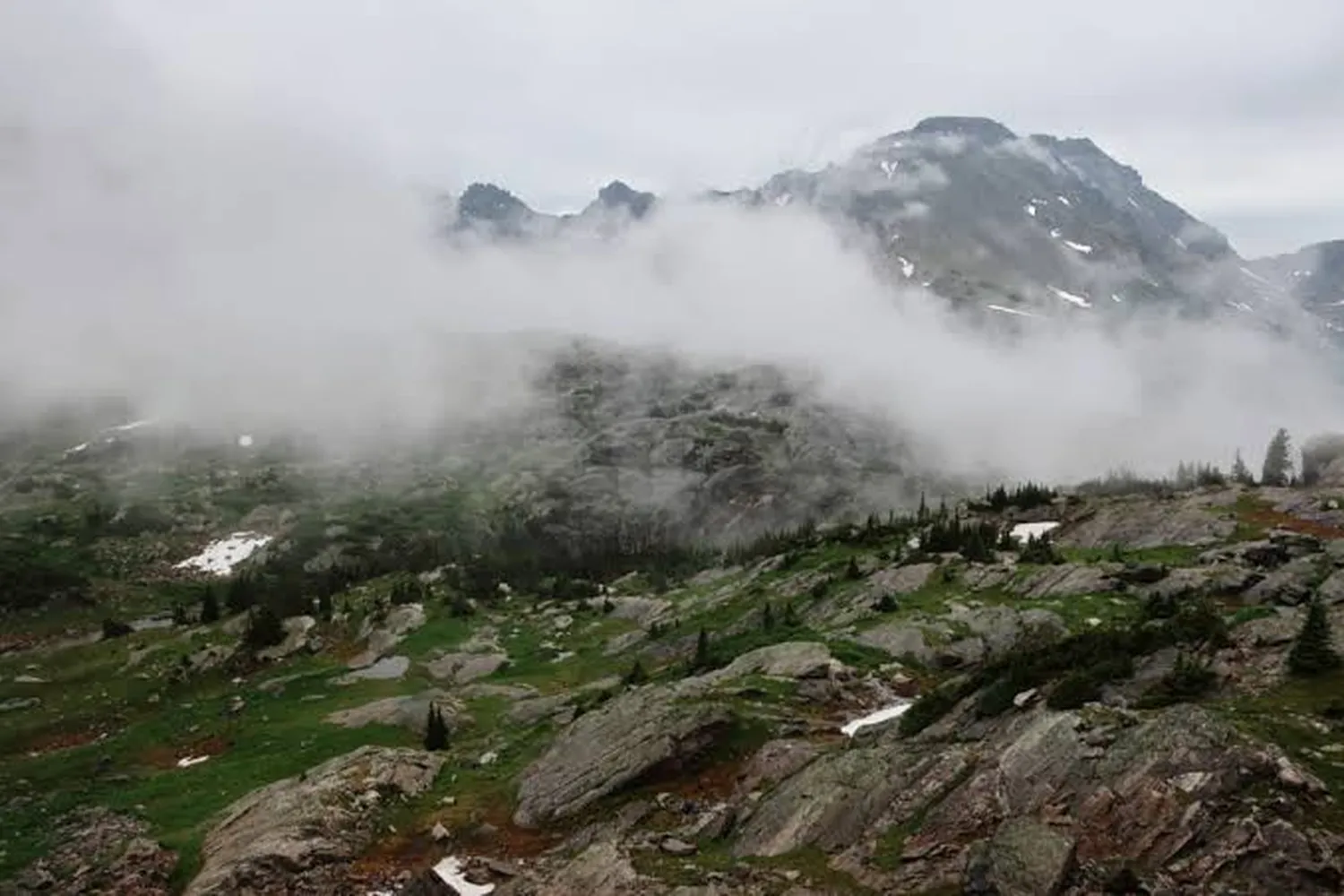
- Montane Highland Forests (e.g., Ngorongoro Rim): Situated above 2,200 meters, these misty ecosystems collect condensed cloud moisture. Mornings are marked by dense fog banks, high relative humidity (up to 95%), wind chill, and low ambient temperatures that rarely exceed 18°C during midday.
- Semi-Arid Open Savannahs (e.g., Serengeti Plains): Lacking heavy tree canopy, these vast plains heat up quickly once solar radiation penetrates the thin morning atmosphere. Convection currents create localized wind dust devils during midday, followed by rapid radiative cooling immediately after sunset.
- Riverine Corridors & Lake Basins (e.g., Tarangire River & Lake Manyara): Dense vegetation and surface water keep ambient humidity high while dampening temperature extremes. Micro-breezes flowing off lake surfaces moderate heat, creating ideal conditions for birdlife and shade-seeking herbivores.
When travelers learn how to map out a 7 day tanzania wildlife photographic safari, factoring in these microclimates is essential. Light clarity, cloud cover, and fog dispersal dictates camera shutter speed, ISO settings, and wildlife positioning.
2. Managing Diurnal Temperature Variations & Thermal Control
Diurnal range—the thermal spread between the coldest hour before dawn and the hottest hour of late afternoon—can reach up to 22°C (40°F) in semi-arid safari corridors. Understanding how to manage these swings prevents thermal fatigue, dehydration, and hypothermia during open-vehicle game drives.
The transition typically follows a four-phase daily cycle:
- The Pre-Dawn Frost Phase (05:30 - 07:30): Ambient air is cold, especially in open 4x4 vehicles traveling at speed. High-loft fleece and windproof outer shells are required.
- The Rapid Thermal Ascent (08:30 - 11:30): As solar angles sharpen, temperatures jump by 3°C to 5°C per hour. Travelers should begin shedding outer layers before sweat accumulates on inner clothing.
- The Midday Convective Peak (12:00 - 15:30): Sun rays are intense. Breathable, loose-fitting, UV-protective garments are necessary to prevent heat stress while resting in camp or near waterholes.
- The Evening Drop & Twilight Shift (17:30 - 20:00): Once the sun drops below the horizon, land surfaces shed heat rapidly into clear skies. Re-layering must begin immediately upon sunset.
3. Reading Clouds & Natural Environmental Barometers
Experienced wilderness guides rarely rely solely on mobile weather apps, as cell service is sparse and satellite resolution often misses localized microbursts. Instead, reading natural atmospheric signs provides reliable short-term weather forecasts:
- Cumulonimbus Towers (Towering Storm Clouds): When flat cumulus clouds build vertically past midday, forming dark anvil-shaped tops, short squalls with heavy rain and wind gusts are imminent within 30 to 60 minutes.
- High-Altitude Mare's Tails (Cirrus Streaks): Thin, wispy clouds streaking across high altitudes signal an approaching atmospheric front, usually bringing wind and cloud cover within 24 to 36 hours.
- Acoustic & Wildlife Indicators: Sudden silence among cicadas and bird colonies often signals a sudden drop in barometric pressure right before a thunderous squall.
4. How Weather Transitions Shift Wildlife Activity
Atmospheric conditions directly dictate animal behavior. Knowing how wildlife reacts to weather shifts allows game viewers to anticipate spectacular predator movements and herd dynamics:
Rain Squalls and Herbivore Safety: Rain dampens smell and sound, making herbivores like zebra and wildebeest vulnerable to predators. In response, herds cluster closely in wide-open, tree-free grasslands to maintain line-of-sight protection against lions and hyenas.
Post-Rain Predator Hunts: Immediately after a heavy downpour, cooled air revitalizes big cats. Predators take advantage of wet ground that muffles their footsteps, creating prime opportunities to witness hunting attempts.
High Heat Inactivity: Above 30°C, large mammals enter energy-conservation mode. Elephants seek river mud to regulate body temperature, while leopards climb high trees or shelter under granite kopjes to stay cool in the breeze.
5. 7-Day Wilderness Weather Profile Table
The empirical reference matrix below illustrates how environmental metrics shift day-by-day across a classic 7-day northern Tanzania bush itinerary:
| Day & Destination | Temp Range (°C) | Humidity (%) | Key Weather Dynamic | Wildlife Behavioral Impact |
|---|---|---|---|---|
| Day 1: Tarangire Woodland | 14°C - 29°C | 45% - 75% | Dry thermal dust swirls | Elephants congregate around muddy river beds |
| Day 2: Lake Manyara Basin | 16°C - 28°C | 60% - 85% | Lake breeze moisture drop | Flamingos and waterbirds gather in sheltered lagoons |
| Day 3: South Serengeti Plains | 13°C - 31°C | 35% - 65% | Rapid midday solar heating | Cheetahs hunt in cool morning and late afternoon hours |
| Day 4: Central Serengeti Valley | 15°C - 30°C | 40% - 70% | Afternoon convection showers | Pride lions become active after brief rains |
| Day 5: Northern River Corridors | 14°C - 28°C | 50% - 80% | Localized squalls & mist | Herds pause near river banks waiting for storms to clear |
| Day 6: Ngorongoro Rim | 7°C - 19°C | 70% - 95% | High-altitude fog & chill | Animals stay sheltered in crater floor thickets |
| Day 7: Arusha Highlands Return | 11°C - 24°C | 55% - 80% | Variable mountain clouding | Bird species remain active along forest edges |
6. Essential Gear and Clothing Layering Strategy
Packing for shifting bush weather requires prioritizing lightweight, adaptable items due to luggage limits on light aircraft flights. Studying how to prepare for fly-in luggage limits on a 6 day safari ensures you carry compact equipment that covers wide temperature ranges.
Recommended Clothing Setup
- Merino wool base layers (odor-resistant & moisture-wicking)
- Lightweight fleece mid-layers or packable down jackets
- Windproof and water-resistant softshell jackets
- Convertible cargo pants (zip-off legs for quick warming)
- Neutral-colored clothing (khaki, tan, olive) to avoid attracting tsetse flies
Protection & Optics Gear
- Waterproof dry bags for camera protection during rain
- Polarized UV-blocking sunglasses
- Wide-brimmed safari hat with chin strap
- Multifunctional neck gaiter/buff for dust filtration
- High-SPF reef-safe sunscreen and lip balm with SPF
7. Safari Route Planning & Regional Logistics
Your choice of transportation and lodging impacts how comfortably you navigate rapid weather changes. Vehicles equipped with pop-up roofs and drop-down canvas side curtains offer flexibility, letting you enjoy sunlit plains while providing protection from sudden downpours.
For travelers planning to transition from rugged savannah environments to tropical coastal climates after a week in the bush, reviewing how to plan a 7 day luxury bush and beach package provides insights on balancing safari logistics with coastal relaxation.
8. Frequently Asked Questions (FAQs)
9. External Scientific & Meteorological References
To dive deeper into climate science, wildlife tracking, and meteorology, consult these authoritative external resources:
- World Meteorological Organization (WMO) - Global Weather & Climate Systems
- Tanzania Meteorological Authority (TMA) - Weather Forecasts & Climate Data
Conclusion: Mastering the Elements for an Unforgettable Bush Journey
Understanding how to experience weather shifts during a 7 day bush trip is much more than a logistical checklist—it is the master key to unlocking a truly immersive, safe, and deeply rewarding East African safari experience.
Throughout a seven-day wilderness expedition, the atmosphere is never static. As you move from high-altitude crater rims wrapped in cool morning mists to wide-open savannah plains baked under equatorial sun, microclimates shift continuously. Embracing these atmospheric transitions transforms what could be unexpected weather challenges into some of the most dramatic highlights of your trip.
By developing a keen eye for subtle environmental barometers—such as shifting wind vectors, rising convective cloud towers, and sudden drops in ambient temperature—you align yourself with the natural rhythms of the African bush. You learn to anticipate when big cats will emerge from the shade to hunt, when herbivore herds will gather on open plains to escape surprise squalls, and when the light will reach its golden peak for breathtaking photography.
Key Takeaways for Your 7-Day Bush Experience:
- Dynamic Thermal Layering: Master the 3-tier clothing system to smoothly adjust from cold 8°C dawn game drives to 30°C+ midday heat.
- Wildlife Synchronization: Use weather cues like post-rain cooling to spot active predators on the move.
- Proactive Gear Protection: Protect sensitive electronics with dry bags before localized squalls hit.
- Adaptive Scheduling: Work closely with local expert guides who know how to read cloud formations and adjust safari routes on the fly.
When you respect the power of nature and come prepared for all conditions, every rain shower, thermal breeze, and sunset fog bank adds a rich layer of magic to your adventure. Equipped with the right knowledge, gear strategy, and realistic expectations, you are ready to navigate the untamed wild with complete confidence.
Ready to Plan Your Next Safari Stage?
Explore our related expert guides to finalize your travel itinerary, equipment, and budget: