





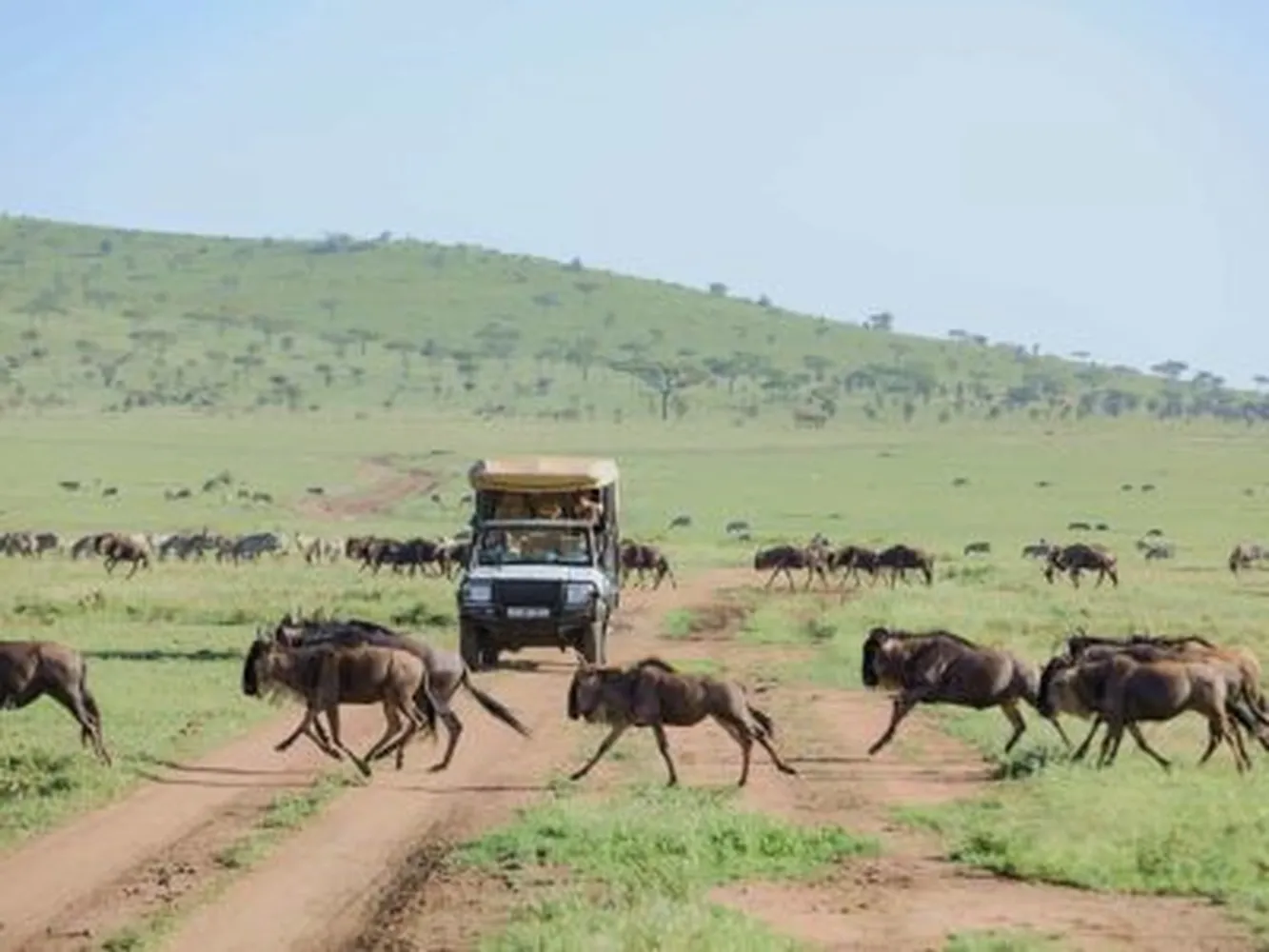
Customizing a private safari to witness the legendary Great Wildebeest Migration is the pinnacle of luxury travel. When learning how to customize an 8 day luxury north serengeti migration safari kogatende and mara river, the goal is to seamlessly blend unparalleled wildlife action with premier logistical support and five-star bush accommodations. A generic itinerary will not suffice when dealing with the unpredictable movement of over 1.5 million animals; instead, you need a hyper-personalized route engineered around real-time movement and elite comfort.
1. Designing the Perfect 8-Day Fly-In Routing
The foundation of an elite African safari lies not just in where you stay, but in how seamlessly you transition between destinations. For an ultra-luxury 8-day northern migration itinerary, your logistical blueprint must prioritize comfort, privacy, and time efficiency. Every hour spent stuck in road transit is an hour lost from tracking the dramatic river crossings of the Mara River.
The Reality of Road Travel: Why Driving to Kogatende Fails the Luxury Standard
Many standard safari operators attempt to sell overland driving itineraries that stretch from Arusha through the entire length of the Serengeti. While this sounds romantic on paper, the physical reality is highly grueling. A drive from Arusha to the northernmost Kogatende sector covers over 500 kilometers of highly uneven, unpaved, and heavily corrugated gravel roads.
The "African Massage" Reality: Driving this distance takes up to two full days of travel each way. By the time you cross the gate into the northern Serengeti, your body is physically exhausted from the jarring motion, and your clothing and expensive camera gear are coated in a thick layer of fine, red volcanic dust.
For a high-end traveler, wasting 4 out of 8 precious vacation days in a car transit is an unacceptable compromise. A customized luxury layout bypasses these terrestrial hurdles completely, replacing bumpy roads with a bird's-eye view of East Africa's iconic landscapes.
The Fly-In Blueprint: Connecting Hubs directly to Kogatende Airstrip
To maximize your wildlife exposure from Day 1, your customized itinerary must rely on high-end scheduled regional flights or private aviation charters. Here is how you should structure your arrival and transit legs:
- International Arrival Hubs: Your journey typically begins at Kilimanjaro International Airport (JRO), the main international gateway for northern Tanzania. For maximum comfort, book a private VIP meet-and-greet service that fast-tracks you through immigration and customs, transferring you directly to an exclusive coffee estate lodge on the outskirts of Arusha for your first night's rest.
- The Domestic Leg: On the morning of Day 2, your private driver will transfer you to Arusha Airport (ARK)—a smaller, dedicated domestic terminal. From here, you will board a high-end light aircraft direct to Kogatende Airstrip (HTCO).
- Flight Duration: Rather than a bone-rattling 14-hour drive, your scenic flight takes a mere 90 minutes. As you soar over the Great Rift Valley, the Ngorongoro Highlands, and the endless plains of the Serengeti, your safari begins from the sky.
Regional Fleet and Aircraft Types
Premium operators in Tanzania, such as Coastal Aviation, Auric Air, and Flightlink, utilize meticulously maintained fleets of Cessna Grand Caravan 208B turboprops. These aircraft are specifically engineered for bush operations, offering high-wing configurations that ensure every seat is a window seat with panoramic views of the migrating herds below.
Pro-Tip: Private Charters
For ultimate exclusivity, consider chartering a private aircraft (such as a Pilatus PC-12 or a private Cessna Caravan). This removes scheduled stops at intermediate airstrips like Seronera or Manyara, delivering you and your travel companions directly to Kogatende on your own timeline.
Crucial Luggage Restrictions for Bush Flights
One of the most critical aspects of customizing your fly-in safari is preparing for the strict baggage limitations imposed by light aircraft operators. Because safety is paramount when operating on short, unpaved bush airstrips, passenger and cargo weight is calculated down to the last kilogram.
| Luggage Parameter | Standard Luxury Allowance | Strict Conditions & Specifications |
|---|---|---|
| Maximum Weight | 15 kg (33 lbs) per person | Includes all checked luggage and personal hand-carry items. |
| Bag Style Required | Soft-Sided Duffel Bags Only | Hard-shell suitcases (e.g., Samsonite, Rimowa) with rigid frames or wheels are strictly prohibited because they cannot fit into the narrow pod compartments of Cessna aircraft. |
| Dimensions | Max 90cm x 65cm x 35cm | Must be malleable enough to be physically compressed into the aircraft's underbelly cargo lockers. |
If you are a professional photographer traveling with heavy telephoto lenses, multiple camera bodies, and tripods, these restrictions can be a challenge. To solve this, your custom designer can purchase an additional "freight seat" on the flight. This effectively doubles your weight allowance, ensuring your delicate gear remains safely in the cabin next to you rather than being left behind in Arusha.
Arrival at Kogatende: The Transition to Wilderness
Stepping off the pressurized aircraft cabin onto the warm, sun-baked dirt of the Kogatende Airstrip is an unforgettable sensory transition. The air is crisp, filled with the dry scent of golden grass and wild sage. There are no crowded terminal buildings or baggage carousels here; instead, your bags are unloaded directly onto the grassy runway by the flight crew.
Waiting on the tarmac perimeter is your private, highly specialized 4x4 safari Land Cruiser. Your private guide will already have a cooler stocked with chilled champagne, local beers, and artisanal snacks. Rather than a tedious hotel transfer, your first game drive begins the absolute second your feet touch the soil of the Northern Serengeti, immediately setting the tone for an unhurried, luxury-tailored experience.
2. Mastering Kogatende and Mara River Crossings
The Mara River crossing is not merely a wildlife event; it is a chaotic, raw, and deeply dramatic theater of survival. Spanning the border between Tanzania's Serengeti and Kenya's Masai Mara, this winding watercourse represents the ultimate psychological and physical barrier for over 1.5 million wildebeest and hundreds of thousands of zebras.
When customizing an 8-day luxury northern safari, simply "hoping" to see a crossing is a beginner's mistake. True luxury design structures your entire daily schedule, vehicle selection, and guiding expertise around the precise mechanics of the river. It requires patience, strategic positioning, and an intimate understanding of animal behavior to witness the exact moment thousands of animals plunge down sheer dirt cliffs into crocodile-infested waters.
The Anatomy of a River Crossing: Understanding Animal Psychology
To successfully track a crossing, you must understand the tension that builds before the event. Wildebeests are inherently skittish, instinct-driven creatures. When they approach the banks of the Mara River, they do not immediately jump in. Instead, they gather in massive, restless pressure groups along the ridges—sometimes numbering in the tens of thousands.
The "Lead" Wildebeest Phenomenon
The entire herd is paralyzed by a conflict of survival instincts: the desperate need for fresh green grass on the other side versus the absolute terror of the deep water. They will walk down to the water’s edge, sniff the air, detect predator scents, and rush back up the bank in a panic (a behavior known as "shadowing"). The crossing only begins when one brave, or incredibly desperate, individual makes the initial plunge. Once the first animal leaps, the psychological dam breaks, and a relentless, thundering avalanche of bodies follows suit.
The Predator Ambush Zone
Waiting silently beneath the muddy surface are some of Africa's largest Nile crocodiles, reaching lengths of up to 5 meters. These prehistoric reptiles can survive for months without a meal, waiting specifically for this seasonal feast. On the riverbanks, prides of lions, leopards, and coalitions of cheetahs hide in the thick riverine forests, ready to intercept exhausted animals that manage to climb the steep, slippery clay banks on either side.
Your custom safari must be engineered to respect this delicate psychological buildup. If a vehicle approaches too quickly, parks too close, or makes loud noises, it can spook the herd, causing them to retreat into the bush and delaying the crossing for hours or even days. This is where elite guiding becomes your most valuable asset.
The Pillars of a Luxury Migration Tracking Setup
To comfortably endure the long, suspenseful hours of waiting near the riverbanks without compromising on your comfort, your safari customization must include the following high-end parameters:
1. Fully Customized Private 4x4 Land Cruisers
Do not settle for shared vehicles or closed family vans. Your custom itinerary must specify a private, long-wheelbase 4x4 Land Cruiser modified specifically for high-end photography and tracking. These vehicles feature:
- Open-Sided Configurations: Removable canvas sides that allow for completely unobstructed, eye-level views of the action.
- Tiered, Highly Cushioned Seating: Ensuring that even if there are multiple guests, everyone has an unobstructed 360-degree field of view.
- In-Vehicle Power Stations: 220V inverter sockets and USB ports at every seat to keep your camera batteries, iPads, and smartphones fully charged during long tracking sessions.
- Integrated Refrigeration: An onboard fridge stocked with your preferred vintage wines, craft beers, refreshing spirits, and chilled towels to beat the afternoon heat.
2. Master Guides and "Crossing Spotters"
An elite guide is part naturalist, part psychologist, and part tactician. Unlike budget tour drivers who simply crowd around other parked vehicles, a luxury-class guide reads the subtle cues of the landscape:
- They monitor the flight patterns of vultures and the alarm calls of birds to locate hidden predators.
- They identify the active "crossing points" along the Mara River (there are roughly 10 main points on the Tanzanian side, numbered 1 to 10).
- They position the vehicle at a legal, respectful distance behind a natural tree line, allowing the wildebeest to build up confidence at the water's edge before quietly moving into a prime viewing position once the crossing has officially commenced.
Photography-Specific Customization
If capturing the perfect shot is your priority, request a vehicle outfitted with custom-built camera mounts, panning plates, and heavy-duty sandbags. Your private guide should also understand how to position the vehicle relative to the angle of the sun, ensuring you are never shooting directly into harsh backlighting during the critical crossing moments.
3. The Art of the Gourmet Bush Feast
Witnessing a crossing can require waiting by the riverbank for three, four, or even six hours. Returning to your camp for lunch is out of the question, as you risk missing the main event. A luxury safari turns this wait into an indulgent experience rather than a physical chore.
Your custom operator should coordinate with your camp’s executive chef to pack a full-scale **gourmet hot bush lunch** instead of standard dry sandwich boxes. Your guide will set up a private, shaded dining area using canvas safari chairs and a linen-draped table under the canopy of an ancient Acacia tree. While keeping one eye on the river through high-powered binoculars, you can enjoy freshly prepared local dishes, cold salads, grilled meats, and perfectly chilled Sauvignon Blanc in the middle of the wilderness.
The Ethical Wildlife Viewing Charter
True luxury travelers understand that the preservation of this natural spectacle is paramount. When customizing your itinerary, ensure your operator strictly adheres to the **TANAPA (Tanzania National Parks)** code of conduct for river crossings:
- No vehicle is permitted to block the paths leading down to the river crossing points.
- Drivers must switch off their engines completely while waiting for the herds to cross, minimizing noise pollution and vibrations.
- Off-road driving is prohibited near the riverbanks to prevent soil erosion and protect the fragile riverine habitat.
By adhering to these ethical standards, your customized safari ensures that this breathtaking migration continues to thrive for generations to come, while still delivering an unparalleled, front-row seat to one of the greatest natural shows on Earth.
3. Selecting Mobile Tented Camps vs. Permanent Lodges
Deciding where to lay your head at night is one of the most critical structural decisions of your entire 8-day custom itinerary. In the remote northern sector of the Serengeti, the division between high-end accommodations falls into two distinct categories: seasonal mobile tented camps that follow the migration, and opulent, permanent stone-and-wood lodges built onto the area's massive granite kopjes.
To design an ultra-luxury experience that balances immediate access to the migration with five-star indulgence, you must weigh the pros and cons of both styles. A poorly located accommodation can add hours of driving to your day, while a carefully integrated mix of both styles creates a dynamic, multi-layered journey that feels like two distinct holidays in one.
The Case for Mobile Luxury Tented Camps: Living Inside the Migration
Unlike standard camping, Serengeti's "mobile luxury tented camps" represent the pinnacle of classical, Hemingway-style wilderness exploration. These camps do not stay in one place year-round; instead, they are physically disassembled, moved, and rebuilt twice a year to track the herds. From July to October, these camps are meticulously positioned in the shade of riverine forests just minutes away from the Mara River crossing points.
The Unfenced Wilderness Experience: In a luxury mobile camp, there are no concrete walls, fences, or manicured gardens. The wilderness is on your doorstep. You will fall asleep to the deep, resonant grunts of millions of wildebeest, the distant laughs of hyenas, and the earth-shaking roars of territorial lions echoing through your canvas walls. It is a raw, sensory connection to the wild that permanent structures simply cannot replicate.
If you want to know what makes these setups so special, explore how to select reliable mobile luxury tented camp safaris in the Serengeti. Far from rustic, these camps offer an incredible array of modern, eco-conscious amenities engineered for the modern elite traveler:
- Silent Solar Power Grids: Large, sophisticated solar arrays with heavy-duty lithium battery backups run the entire camp silently. There are no noisy diesel generators to disrupt the peace of the bush, yet you have 24-hour electricity to power your devices and overhead fan.
- En-Suite Plumbing: Each walk-in tent features a fully integrated bathroom with double porcelain vanities, flushing ceramic toilets, and state-of-the-art "safari showers" that deliver pressurized hot water on demand.
- Artisanal Decor: Interior design features hand-woven Persian rugs, rich mahogany writing desks, plush king-sized beds with high-thread-count Egyptian cotton linens, and private veranda decks overlooking the golden plains.
The Case for Permanent Luxury Lodges: Architectural Marvels and Wellness
On the other end of the spectrum are the permanent luxury lodges, located predominantly on the rugged ridges of the Lamai Wedge or tucked high up into the granite kopjes. These structures are permanent architectural masterpieces designed to blend seamlessly with the natural geology, offering a sanctuary of physical indulgence after a long day in the bush.
A permanent luxury lodge provides amenities that are logistically impossible for mobile tented camps to offer:
- Infinity Swimming Pools: Suspended over the edge of granite cliffs, offering panoramic views of the Serengeti plains where you can watch elephants graze below while sipping craft cocktails.
- Spa and Wellness Centers: Dedicated therapists offering deep-tissue massages, facial treatments, and yoga sessions using organic African botanicals.
- Gourmet Dining Rooms & Wine Cellars: Climate-controlled wine cellars stocked with rare vintage African and European wines, paired with multi-course fine dining experiences curated by international guest chefs.
- Structural Resilience: Fully glass-fronted suites with air conditioning, stone fireplaces, and massive private plunge pools overlooking the vast landscape.
Mobile Tented Camps
Best For: Hardcore wildlife enthusiasts, professional photographers, and travelers seeking maximum proximity to active river crossings.
Key Advantage: Under 15-minute drive to the major crossing points; deep, immersive connection with nocturnal wilderness sounds.
Limitation: No swimming pools or air conditioning; smaller overall footprint.
Permanent Lodges
Best For: Multi-generational families, honeymooners, and travelers prioritizing physical wellness, relaxation, and spacious comfort.
Key Advantage: Expansive suites, private plunge pools, full spa facilities, and unparalleled elevated views of the landscape.
Limitation: Up to 45-60 minutes drive to the riverbanks; less sensory immersion in the immediate surrounding wildlife.
The Ultimate Luxury Customization: The Hybrid Split-Stay
For an 8-day itinerary, you do not have to choose one over the other. The most sophisticated way to customize your accommodation profile is to combine both types into a **split-stay strategy**:
Nights 1 to 3 (The Wild Phase): Stay at a high-end mobile camp (such as Serengeti Under Canvas, Alex Walker’s Serian, or Nomad Serengeti Safari Camp) positioned right on the southern banks of the Mara River. Use this time for intensive, early-morning-to-dusk tracking of the river crossings, enjoying rustic luxury and falling asleep to the wild symphony of the plains.
Nights 4 to 5 (The Indulgent Phase): Transfer across the river to the exclusive Lamai Wedge and check into an ultra-luxury permanent lodge (such as Singita Mara River Tented Camp, Lamai Serengeti, or Sayari Camp). Here, you can slow down your pace, enjoy relaxing walking safaris, indulge in full-body massages, swim in the infinity pool, and reflect on the high-adrenaline river crossings in absolute luxury.
This hybrid structure ensures you get the absolute best of both worlds: raw, uncompromised wildlife action and deep, rejuvenating physical comfort.
4. Customization Elements to Include
A truly luxury safari is customized around your personal interests, fitness levels, and pacing preferences. Here are key optional activities to request when tailoring your itinerary:
- Serengeti Hot Air Balloon Safari: Glide silently above the Mara River and the golden savannah at dawn, followed by a champagne bush breakfast.
- Walking Safaris in the Lamai Wedge: Step out of the vehicle and explore the rugged kopjes of the northern Serengeti accompanied by an armed park ranger and a resident tracker.
- Photography-Specific Vehicles: For serious photographers, ask for a vehicle equipped with professional camera mounts, beanbags, and low-angle shooting platforms.
5. Typical Custom 8-Day Itinerary Structure
Below is a highly optimized, comfortable layout showing how to balance your time when designing your 8-day journey across the northern circuit.
| Day | Destination & Focus | Key Luxury Accommodation Style |
|---|---|---|
| Day 1 | Arrival JRO, Transfer to Arusha | Private Luxury Coffee Estate Lodge |
| Day 2 | Fly to Kogatende, Afternoon Game Drive | Nomadic Eco-Luxury Mobile Camp |
| Day 3 | Full-Day Mara River Crossing Tracking | Nomadic Eco-Luxury Mobile Camp |
| Day 4 | Balloon Safari & Kogatende Kopjes | Nomadic Eco-Luxury Mobile Camp |
| Day 5 | Lamai Wedge Walking Safari & Game Tracking | Exclusive Permanent Rock Lodge |
| Day 6 | Fly to Ngorongoro Conservation Area | Five-Star Crater Rim Lodge |
| Day 7 | Ngorongoro Crater Floor Private Game Drive | Five-Star Crater Rim Lodge |
| Day 8 | Fly back to JRO, Departure | Day Room Use / Evening Flight Home |
6. Frequently Asked Questions
Why is Kogatende considered the best area for northern migration safaris?
Kogatende is situated directly along the Mara River, offering multiple legal crossing viewpoints. It has its own airstrip and permits off-road driving in designated zones, making it incredibly accessible and offering high-quality wildlife viewing.
How far in advance should I book my customized 8-day Serengeti safari?
Because premium luxury mobile camps in Kogatende are small (often featuring only 6 to 12 tents) and high-season permits are limited, you should book at least 8 to 12 months in advance to secure the best camps and private guides.
7. Safari Planning References
To ensure your itinerary is safe, legally compliant, and environmentally responsible, always cross-reference your operator’s licenses and credentials. You can read how to evaluate your safari partners through these comprehensive guides:
- Verify statutory compliance and licensing by reading how to check if a Tanzanian safari company is officially registered and licensed.
- Compare local and international service differences via how to compare prices between local and international tour operators in East Africa.
- Explore reputable conservation bodies such as the Tanzania Tourist Board (TTB) and Tanzania National Parks (TANAPA) for seasonal maps and official park rules.