





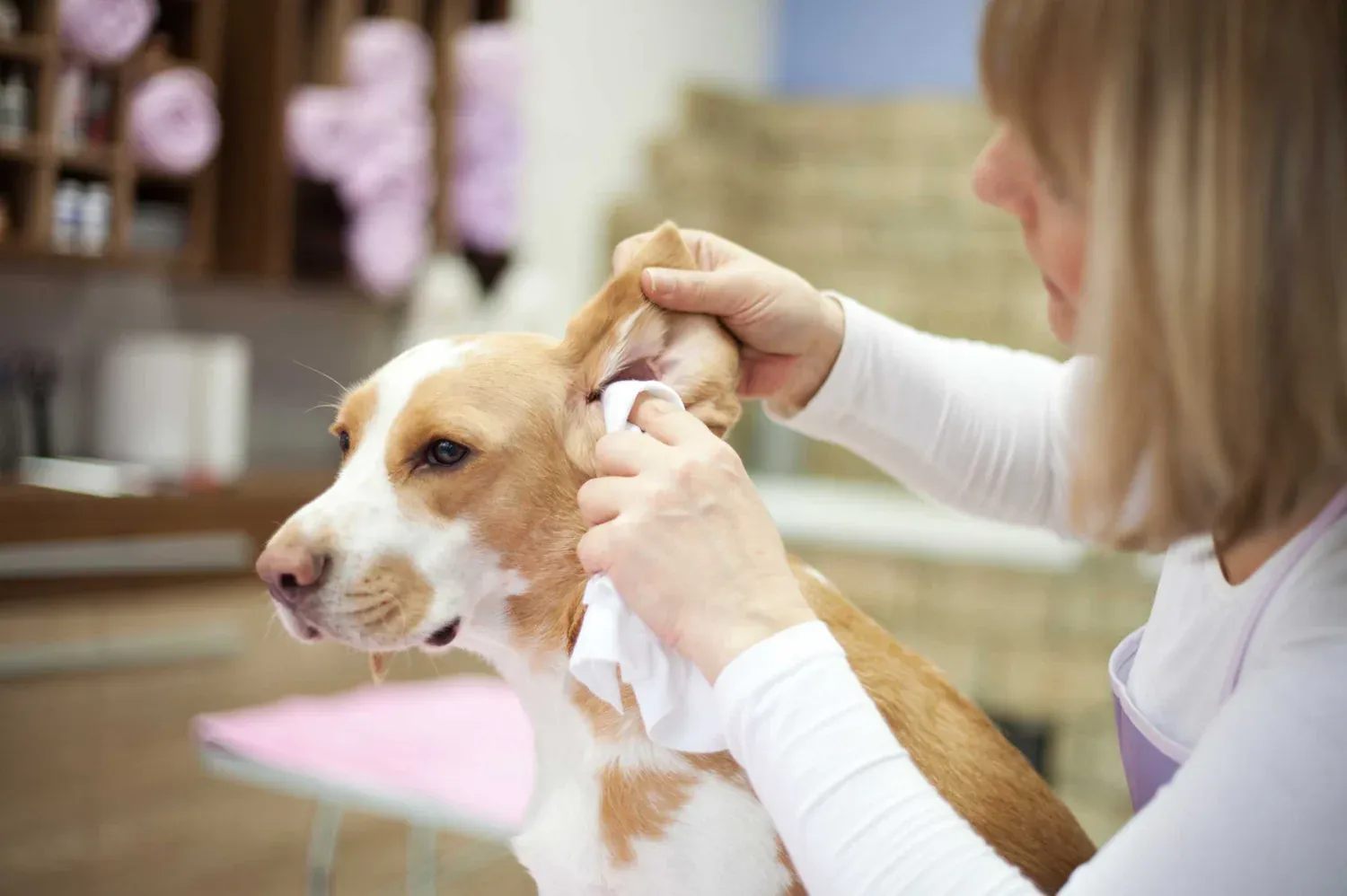
Learning how to clean a dog's ears safely at home is an essential preventative care skill for every pet parent. Unlike human ears, a dog's ear canal features a dramatic, L-shaped structure that easily traps heavy moisture, thick wax, and outdoor debris. Regular maintenance reduces the collection of these materials, helping to prevent yeast and bacterial overgrowth. Just like researching how to get a cat to drink more water or figuring out how to stop a cat from scratching furniture, keeping up with small domestic grooming needs prevents complex behavioral and health challenges later down the line.
Understanding the Canine Ear Structure
Before introducing liquid tools into your pet's canal, you must understand their special anatomy. The canine ear is divided into a long vertical canal that drops down the side of the skull, transitioning into a narrow horizontal channel leading straight to delicate tympanic membranes (the eardrums). This deep design prevents foreign matter from naturally shedding outward. Breeds with large, drooping pinnae (ear flaps), such as Basset Hounds and Cocker Spaniels, face minimal airflow and high relative humidity levels within the canal, which creates ideal incubation setups for microbial agents.
To safely evaluate if cleaning is needed, raise the ear flap gently under bright, focused light. A clean canal appears pale pink, displays minimal clear or light tan secretions, and produces zero distinct, heavy odors. If you see deep chocolate-colored build-ups or experience a pungent, sour smell, your dog needs medical intervention rather than a basic home rinsing routine.
Essential Ear Cleaning Supplies Checklist
Using the proper tools directly determines your level of safety. Never compromise on standard supplies by grabbing makeshift household substitutes. Review the comparative table below to prepare your home grooming kit safely.
| Item Type | Recommended Supplies | Items to Avoid |
|---|---|---|
| Cleansers | Vet-approved epi-otic fluid with drying drying agents | Alcohol, hydrogen peroxide, organic vinegar mixes |
| Wipers | Sterile gauze squares, large clinical cotton rounds | Plastic cotton buds, Q-tips, rough paper napkins |
| Comfort | High-value freeze-dried liver treats, thick body towels | Harsh mechanical restraints, forced handling setups |
Step-by-Step Home Cleaning Method
Ensure your dog is calm and comfortable before starting. If your dog is anxious, take things slow, much like the gentle approach needed when discovering how to tame a scared parakeet fast. Use high-value treats to build a positive association with ear handling over time.
- Expose the Entrance Loop: Gently flip the outer cartilage flap backward over the crown of the dog's head to completely expose the opening of the vertical canal channel.
- Administer Liquid Flush: Position the nozzle of your veterinary solution directly above the canal portal. Squeeze firmly until fluid visibly fills the canal. Critical Safety Note: Never insert the rigid plastic tip into the canal openings to prevent puncture injuries if the dog suddenly twists away.
- Massage the Canal Base: Lower the ear flap and place your thumb and index fingers around the soft cartilage ridge at the base of the ear. Massage continuously for 20 to 30 seconds. You should hear a clear squishing sound as the built-in surfactants dissolve hardened wax layers.
- Allow Head Shaking: Release the head completely and step back. Allow your pet to naturally shake their head vigorously. The rotational centrifugal force moves deep, broken-up debris from the hidden horizontal canal up into the outer, visible regions.
- Debris Extraction Wiping: Take a fresh, dry cotton ball and gently remove the expelled wax and residual fluid from the upper canal area. Stop immediately once the cotton pad emerges clean from the ear flap.
Dangerous Mistakes to Avoid entirely
The most dangerous home grooming mistake is using rigid cotton swabs inside the canal. A cotton bud acts exactly like a mechanical piston, packing loose chunks of wax tightly into the horizontal tract and sealing moisture against the fragile eardrum structure. This can lead to chronic hearing loss or severe internal infections.
Additionally, avoid applying harsh household liquids. Hydrogen peroxide reacts by fizzing aggressively, creating high tissue moisture inside a dark space, which can easily damage inflamed skin surfaces. Similarly, raw rubbing alcohol can cause intense pain and chemical burns on sensitive ears. Stick exclusively to modern veterinary formulations that contain built-in drying agents like salicylic acid to safely remove leftover water molecules.
Signs of Infection: When to See a Vet
Home cleaning routines are purely preventative and should never be used to treat active medical conditions. If your dog shows any of the clinical signs below, do not perform a fluid flush, as a ruptured eardrum allows solution into the inner ear, which can cause permanent balance problems and nerve damage. Contact a licensed veterinarian immediately if you notice:
- Constant head shaking, tilting to one side, or frantic scratching at the ear base.
- Intense local pain, growling, or yelping when you touch the surrounding skull area.
- Bright purple or crimson swelling along the interior surfaces of the ear flap.
- Thick, yellow-green pus or wet, dark fluid crusts lining the ear entrance.
Managing basic pet care tasks at home requires a structured, gentle approach, whether you are maintaining canine ears, figuring out how to set up a bearded dragon tank for beginners, or learning how to take care of a baby red-eared slider turtle. Following safe, veterinary-approved protocols keeps your pets healthy and avoids unnecessary trips to the emergency clinic.
Frequently Asked Questions
Can I use cotton swabs or Q-tips inside my dog's ears?
No. Cotton swabs should never go past the visible outer areas. They can easily puncture your dog's eardrum or push packed wax deeper down the vertical canal into a dense horizontal blockage.
How often should I clean my dog's ears?
Most healthy dogs only require ear cleanings once a month. Over-cleaning can strip healthy skin flora, causing maceration and irritation. However, active swimmers or dogs with floppy ears may require cleanings every two weeks during warm seasons.
What can I use if I run out of professional ear cleaner?
You should wait until you can acquire a vet-approved commercial solution. Avoid dynamic home remedies like pure vinegar or alcohol, which cause severe chemical burns on inflamed tissues. A dry gauze pad can be used for light surface wiping in the meantime.
Conclusion: Safe and Effective Home Maintenance
Learning how to clean a dog's ears safely at home is easy when you prioritize patient handling, avoid rigid instruments, and use high-quality, veterinary-backed formulas. Consistently inspecting the ear canal helps pet owners track baseline health metrics, resolve minor wax buildup early, and enjoy active years alongside their canine companions. For more expert-backed wildlife and companion animal guides, check out our recent instructions on how to spot a venomous snake in the wild provided by the American Veterinary Medical Association.