





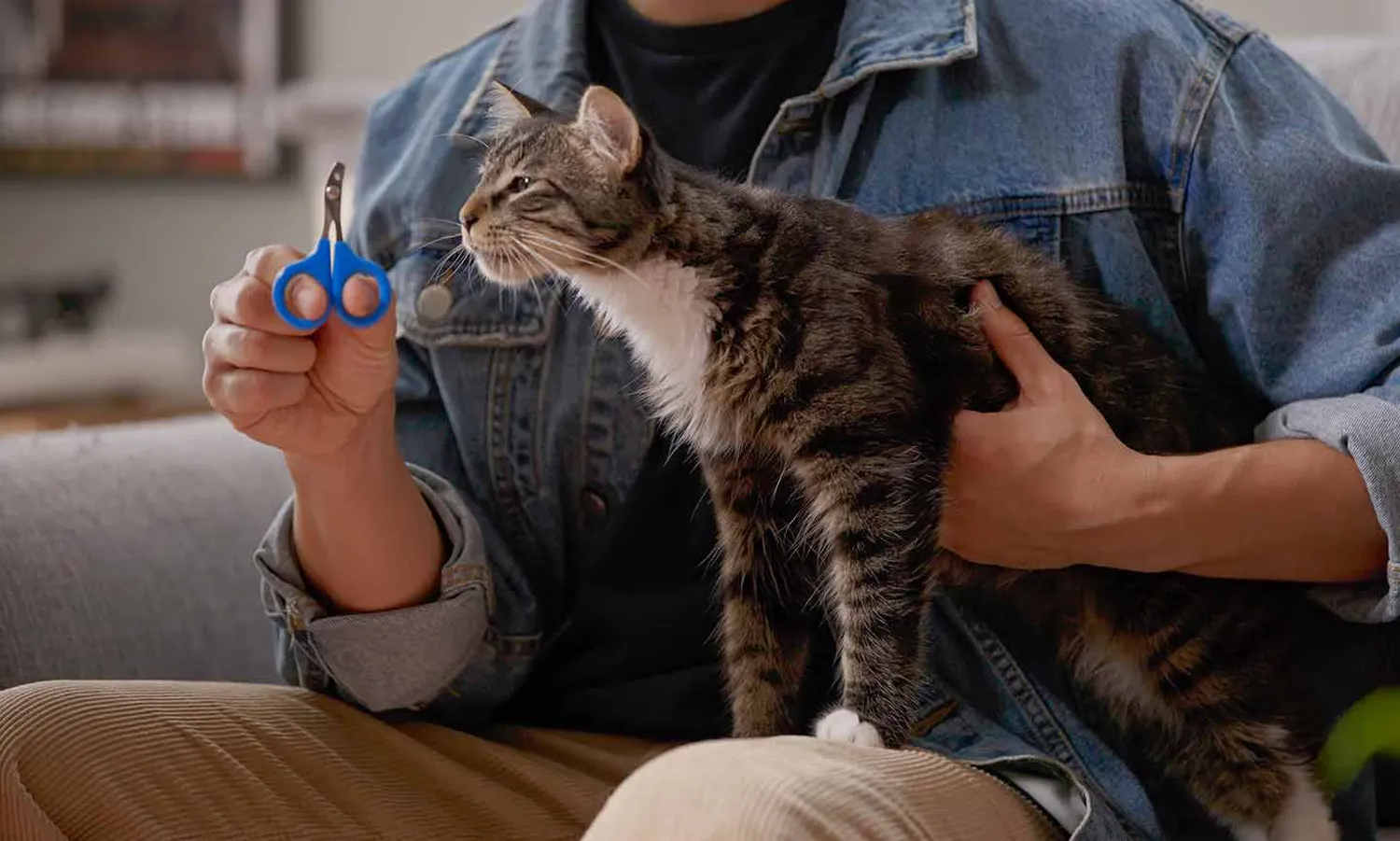
Finding shredded threads on your pristine sofa is a frustrating experience for any pet owner. However, trying to figure out how to stop a cat from scratching furniture requires understanding that scratching is a fundamental instinctual need for felines rather than malicious misbehavior. Claws are vital tools used for physical conditioning, stretching, and daily territorial communication. By implementing structured environmental shifts and positive training frameworks, you can quickly keep your luxury upholstery completely safe without suppressing your cat's natural drives.
Why Cats Scratch: The Feline Science
According to veterinary behaviorists at the Cornell University College of Veterinary Medicine, scratching serves multiple critical roles in physical health and mental health. When a cat sinks its claws into a textured surface, it sheds the worn outer husk of the nail to expose a sharp, healthy new sheath beneath. This movement also offers an excellent upper-body stretch that supports joint flexibility and alignment.
Beyond grooming benefits, clawing functions as an unspoken structural communication method. Scent glands embedded deep within cat paws leave specific chemical markers on fabrics alongside the visible physical shred lines. This signals security to your pet, making prominent room fixtures like modern sofa corners prime targets. Understanding these core motivations is as vital to feline care as knowing how to get a cat to drink more water to support overall organ function.
Step-by-Step Training Plan to Protect Furniture
Resolving claw issues does not involve punishing your pet. Instead, it relies on systematic redirection. Use these steps to guide your training journey:
- Identify Targeted Areas: Note the precise locations and heights where your cat loves to scratch. This helps determine the type of replacement material needed.
- Introduce High-Quality Alternatives: Place a premium alternative right in front of the scratched area. If your cat prefers vertical sofa arms, purchase a tall, heavy-duty pillar post.
- Secure the Alternative Post: Make sure the post doesn't wobble. Cats will reject any structure that moves or shifts when they apply body weight.
- Incentivize Use: Rub organic catnip leaf flakes or spray liquid pheromone extracts onto the new post material to prompt natural investigative sniffing and scratching.
- Reward Progress instantly: Keep tiny food treats on hand. Praise your pet and feed them immediately whenever they use the new scratching area.
Consistency is key during these steps. Just like learning how to clean a dog's ears safely at home, creating a calm, predictable environment reduces stress and helps your pet learn desired behaviors much faster.
Scratching Post Textures Compared
Different materials appeal to different cats. Using the right surfaces can quickly resolve unwanted habits around the house. Use this small table to help pick the best options for your home setup:
| Material | Cat Appeal | Durability |
|---|---|---|
| Sisal Rope | Very High | Excellent (lasts for years) |
| Corrugated Cardboard | High | Moderate (requires regular replacement) |
| Wood Bark | Natural Preference | High (creates outdoor wood debris) |
| Carpet Strips | Variable | Poor (can encourage floor rug issues) |
Safe Protective Furniture Barriers
While your pet gets used to their new posts, you need to protect your furniture. Applying specialty clear double-sided cat training tape directly to exposed fabric surfaces is an excellent solution. Felines hate sticky textures on their sensitive paw pads, so they will quickly avoid those surfaces after a couple of tries.
You can also use scent-based deterrents. Mixing fresh lemon juice or organic eucalyptus oil with distilled water creates a natural spray that smells unpleasant to cats but keeps your living area smelling wonderful. For homes with multiple pets, balancing these boundaries takes identical patience as learning how to tame a scared parakeet fast or tracking wild animal patterns like discovering how to spot a venomous snake in the wild.
Frequently Asked Questions
How long does it take to train a cat away from furniture?
Most cats adjust to new habits within 7 to 14 days when provided with high-quality alternatives coated in catnip alongside temporary protective barriers on older furniture pieces.
Should I use loud noises to discourage scratching?
No. Using loud sounds or shaking jars can scare your cat and damage your bond, which often leads to hidden stress-induced behavioral habits around the home.
Can nail caps help stop scratching damage?
Soft vinyl nail caps work well as a temporary fix. They stick safely onto trimmed nails and last about 4 to 6 weeks, completely preventing punctures while you work on redirection training.
Conclusion: Maintain Harmony in Your Living Space
Learning how to stop a cat from scratching furniture is all about smart redirection rather than restriction. Providing stable scratching alternatives that match your cat's preferences and protecting delicate surfaces will keep your home looking beautiful while meeting your pet's instinctual needs. With the right setup, you can enjoy a beautifully styled home and a happy, healthy cat.