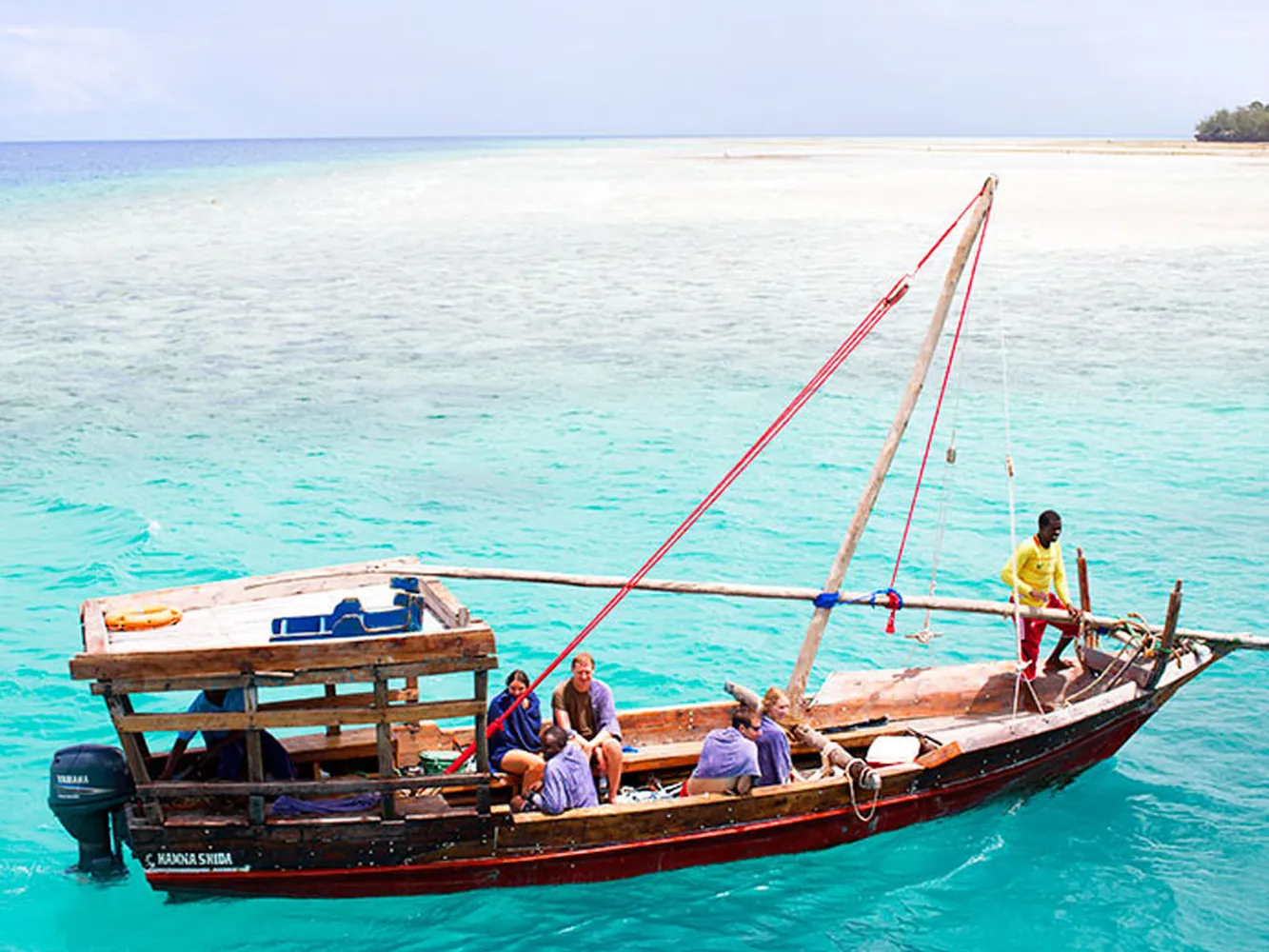
Booking an ocean excursion along Tanzania's Indian Ocean coastline requires thorough background checks to ensure standard field safety and transparent pricing. Learning how to choose the best boat tour companies for Mafia Island and Pemba keeps you safe while opening up premium snorkeling, sandbank picnics, and whale shark excursions. Whether your goal is tracking marine species or drifting through isolated channels, selecting a professional operator makes all the difference.
1. Verify Official Maritime Licensing
Your safety during an ocean excursion begins with the legal and regulatory standing of the vessel and the company you trust with your life. In the United Republic of Tanzania, all commercial maritime activities, vessel safety inspections, and seafaring licenses are strictly regulated by the Tanzania Shipping Agencies Corporation (TASAC). Any legitimate boat tour operator must hold an active registration certificate issued by TASAC, which serves as absolute proof that the specific vessel has undergone rigorous safety inspections and holds a valid Seaworthiness Certificate.
When vetting a boat operator on Mafia Island or Pemba, you should never hesitate to request to see their TASAC registration numbers or maritime insurance policies. Taking this step is critical because it guarantees that the boat undergoes routine dry-dock maintenance and is commanded by a professional, certified skipper who understands local maritime laws. This strict regulatory verification matches the exact safety framework used when smart travelers seek to check if a Tanzanian safari company is officially registered and licensed before heading deep into wilderness areas on the mainland.
Beyond standard commercial maritime shipping registration, specialized marine destinations across the Zanzibar archipelago and coastal mainland feature highly sensitive Marine Protected Areas (MPAs). For instance, the world-famous Chole Bay on Mafia Island is managed tightly under the jurisdiction of the Mafia Island Marine Park (MIMP). Authentic, high-quality tour operators must hold an additional Marine Park Commercial Permit and pay mandatory daily conservation fees on behalf of their guests.
By consciously selecting a fully licensed and compliant operator, you guarantee that a direct percentage of your excursion funds is funneled straight back into community-led conservation initiatives. These funds support the monitoring of fragile coral reefs, the protection of endangered sea turtles, and marine anti-poaching patrols. Conversely, booking through unlicensed "beach boys" or undocumented informal fixers completely compromises your safety, provides zero insurance liability, and robs local conservation programs of essential funding needed to preserve these pristine environments.
2. Inspect Onboard Safety Frameworks
The waters surrounding Tanzania's spice islands are undeniably breathtaking, but the Indian Ocean can shift rapidly due to changing seasonal monsoons (the Kaskazi and Kusi winds) and powerful tidal shifts. This dynamic environments is especially evident along the Pemba Channel, where boat operators must navigate deep oceanic trenches dropping to depths of over 2,000 meters, creating strong deep-sea currents. Because of these unique geographic conditions, inspecting a boat's onboard safety framework before departure is not a matter of preference—it is an absolute, lifesaving necessity.
An elite, professional boat tour company will proactively demonstrate their safety equipment to you before you even step onto the deck. Make it a mandatory rule to verify the following critical components prior to sending any final reservation deposits or leaving the shoreline:
- Personal Flotation Devices (Life Jackets): Verify that the vessel carries high-quality, commercial-grade life jackets (SOLAS-approved) that fully match or exceed the total number of passengers onboard. These vests must be easily accessible—not locked away under heavy storage benches or sealed inside original factory packaging—and should feature marine whistles and high-visibility reflective strips.
- Marine Communication & Navigation Systems: For long-distance bluewater excursions—such as crossing to the isolated drop-offs of Misali Island in Pemba or tracking migratory Whale Sharks near Kilindoni in Mafia—the boat must be equipped with a functional VHF Marine Radio to communicate with coastal rescue centers. Furthermore, the presence of a standalone marine GPS or an emergency satellite tracking beacon (EPIRB) distinguishes premium, safety-first operations from amateur setups.
- Vessel Cover, Shade, and Hydration: The intense tropical sun along the East African coast can quickly cause severe dehydration, heat exhaustion, or second-degree sunburns during multi-hour day trips. Ensure the boat features robust, built-in structural canopies or heavy-duty canvas sun-shades that provide adequate shelter for all passengers during extended periods on open water.
- First Aid Kits & Emergency Medical Oxygen: This feature is absolutely non-negotiable if your itinerary includes snorkeling or Scuba diving along the steep marine walls of Pemba or the inner reefs of Mafia. A premier operator will carry a fully stocked marine first aid kit alongside specialized emergency medical oxygen delivery systems to immediately manage potential diving complications like decompression sickness or near-drowning events.
- Engine Redundancy and Reliability: For open-ocean crossings where waves can build quickly, vessels configured with twin outboard engines are strongly preferred. Engine redundancy means that if one propulsion system experiences a mechanical or fuel malfunction miles from land, the secondary engine can safely power the vessel back to the mainland or island harbor without leaving passengers stranded at sea.
3. Marine Parks Comparison & Pricing
Understanding the fundamental geographical and ecological differences between Mafia Island and Pemba Island is critical for any traveler looking to maximize their time and budget on the Swahili Coast. While both destinations share the same azure Indian Ocean waters, their underwater topographies demand entirely different operating mindsets, marine vessels, and safety parameters from local tour companies. These varying operational environments dictate the pricing structures you will encounter when planning your excursions.
Mafia Island is defined primarily by its shallow coral shelf ecosystems, large mangrove forests, and highly protected internal bay environments. The crown jewel of this region is Chole Bay, a semi-enclosed marine sanctuary where the waters remain remarkably calm even when the outer ocean is rough. Because of these sheltered conditions, operators can safely utilize larger, traditional wooden displacement vessels without worrying about massive ocean swells. The predictable environment translates to lower fuel consumption and less wear-and-tear on equipment, allowing tour operators to offer relatively stable, cost-effective per-seat rates for popular day trips like snorkeling or visiting localized sandbanks.
In stark contrast, the island of Pemba is characterized by its dramatic, vertical underwater drop-offs and deep-sea channels. The island sits atop an oceanic plateau separated from the African mainland by the deep Pemba Channel, where vertical walls plummet hundreds of meters into the abyss just a short distance from the shoreline. These structural dynamics create upwellings of nutrient-rich waters that attract massive pelagic fish, manta rays, and large shark species, but they also generate unpredictable surface currents and rougher open-ocean swells. Navigating these waters safely requires high-powered fiberglass speedboats with reinforced hulls and reliable twin-outboard propulsion systems. The increased fuel usage, specialized hull requirements, and longer travel distances mean that operating costs in Pemba are significantly higher, which is directly reflected in their daily tour rates.
| Destination Feature | Mafia Island Bay | Pemba Channels |
|---|---|---|
| Primary Experience | Whale sharks, shallow coral gardens, and historic island ruins. | Deep vertical wall diving, pelagic drift dives, and remote sandbanks. |
| Vessel Styles | Traditional motorized dhows, wooden jahazis, and small skiffs. | Reinforced fiberglass speedboats, twin-engine ribs, and dive catamarans. |
| Daily Rates (USD) | $60 - $130 per seat (Includes basic snorkeling gear and sandbank lunch). | $90 - $210 per seat (Reflects higher fuel overheads and long-distance travel). |
| Best Season | October to February (Peak window for calm weather and whale shark presence). | July to October (Optimal visibility and manageable channel currents). |
Managing your travel expenses efficiently depends heavily on whether you choose to book an open public group charter or opt for a private custom vessel hire. Independent voyagers and solo backpackers can keep their costs manageable by joining pre-scheduled group departures, which effectively spreads the fixed costs of fuel and crew among multiple passengers. If you are an independent traveler looking to balance your expenses across your entire itinerary, reviewing our strategic guide on how to choose the best budget safari companies in Tanzania for solo travelers will help you master the subtle art of group-sharing dynamics and local bargaining practices found across Tanzania's coastal and mainland destinations.
4. Crew Experience & Wildlife Guidelines
The caliber, experience, and ethical grounding of your boat's crew will completely define the quality of your marine excursion. A great crew serves not just as navigators, but as certified lifeguards, marine naturalists, and guardians of the fragile ecosystems you are paying to visit. In destinations like Mafia and Pemba, where marine wildlife tourism is a primary economic driver, choosing a company that enforces strict environmental sustainability protocols is crucial for protecting these habitats for future generations.
Ethical tour operators actively enforce rigorous codes of conduct when approaching sensitive marine species. During whale shark excursions in the shallow waters outside Kilindoni harbor on Mafia Island, for example, responsible captains practice non-intrusive vessel positioning. They will slow their engines to a low idle at a minimum distance of 20 meters from the animals, allowing the whale sharks to dictate the interaction. They strictly prohibit aggressive high-speed pursuits, circle-blocking maneuvers, or the use of heavy propeller setups close to the surface feeding lines. Furthermore, experienced skippers will brief you thoroughly before you enter the water, emphasizing a strict zero-contact policy—prohibiting guests from touching, riding, or flash-photographing these gentle giants, as doing so rubs off their protective mucus layer and causes severe physiological stress.
Similarly, when visiting dolphin populations or pristine coral sanctuaries like Misali Island off the western coast of Pemba, look for companies whose crews actively avoid anchoring directly onto living coral structures. Instead, premium operators use established mooring buoys or practice drift-boating techniques where the vessel remains active while snorkelers are in the water. Crews with deep local roots possess an unmatched, generational understanding of local weather patterns, changing wind directions, and complex tidal cycles. They know exactly when a sudden shift in the current makes a specific reef wall unsafe for less-experienced swimmers, and they can read subtle changes in the water surface that signal an approaching storm long before it registers on standard instruments.
Selecting native, community-aligned operators not only guarantees an authentic and immersive travel experience, but it also ensures that your tourism dollars flow directly back into the local island economy. This localized financial support creates sustainable jobs for native fishermen who have transitioned into eco-tourism, incentivizing communities to protect their marine resources rather than overfishing them. Travelers who want to support these localized, high-impact community initiatives can learn more about verifying company ownership by reading our analytical piece on how to identify the best Tanzanian tour companies owned by locals.
5. Evaluating Vessel Types: Dhows vs. Speedboats
Selecting the appropriate hull configuration and propulsion type for your sea tour directly impacts your transit times, physical comfort, sea-sickness levels, and photography opportunities. The coastal waters of Tanzania host two distinct categories of vessels: traditional wooden Swahili dhows and modern molded fiberglass speedboats. Each style serves a specific purpose, and matching the right craft to your destination geography is a key part of your planning checklist.
Traditional wooden dhows—crafted by hand using local hardwoods like teak or mangrove and sealed with traditional fish-fat resins—provide an unhurried, historically rich travel experience. Powered by a combination of large lateen sails and low-horsepower inboard auxiliary diesel engines, these vessels glide smoothly through calm, shallow waters. Their broad beams and heavy displacement hulls make them exceptionally stable platforms for relaxed sunset cruises, casual photography, and beach barbecues within the protected confines of Chole Bay. However, because they move slowly and sit low in the water, traditional dhows are poorly suited for long-distance open-ocean crossings; they can become incredibly slow, wet, and unstable when forced to battle the choppy waves and strong winds of the open sea.
Modern fiberglass speedboats, on the other hand, are engineered specifically for speed, agility, and open-ocean resilience. Equipped with deep-V hull profiles and high-horsepower twin outboard motors, these crafts cut cleanly through choppy water and dramatically reduce your travel times between remote destinations. A speedboat can transport you from the main ports of Pemba out to distant coral drops or isolated sandbanks like Ngezi Forest margins in a fraction of the time a dhow would take. This rapid transit minimizes your exposure to rough seas and gives you more actual time in the water snorkeling or diving. The primary trade-off is comfort: speedboats can deliver a bumpy, high-impact ride when pounding against head-seas, and they lack the spacious walking decks and relaxed, historic charm of a traditional wooden dhow.
6. Avoiding Common Booking Scams
The rise of coastal tourism along East Africa's islands has unfortunately brought an increase in predatory booking scams and aggressive beach-front soliciting. Protecting your travel funds and ensuring your physical safety requires maintaining strict booking discipline and rejecting informal verbal agreements made along hotel beaches or tourist strips.
A common trap involves undocumented independent solicitors, popularly known as "beach boys," who patrol the shorelines near major resorts. These individuals will show you beautiful, laminated photo brochures of luxury speedboats and promise premium, all-inclusive private sea safaris at impossibly low prices. However, once an unverified cash deposit changes hands, these finders often vanish completely, or they sub-contract your trip to poorly maintained, overcrowded local fishing boats that completely lack life jackets, sun-shades, or English-speaking crew members. To completely eliminate this risk, always conduct your reservations through an officially registered office, an established dive resort portal, or a verified electronic booking engine that provides traceable payment confirmations.
Before authorized funds are sent via secure mobile money platforms or international credit cards, demand an itemized electronic invoice that clearly lists all package inclusions and exclusions. A legitimate, transparent tour operator will explicitly state whether their final price covers mandatory marine park entry permits (which can range from $20 to $30 per day depending on the zone), localized conservation levies, high-quality snorkeling equipment hire, clean mineral drinking water, and professional packed lunches. If an operator remains vague about these secondary costs, you risk being hit with unexpected additional charges at the marine park gate or boat ramp before being allowed to board.
Developing a critical mindset regarding local pricing and financial transparency will save you thousands of shillings and prevent stressful confrontations on your holiday. For a much broader, comprehensive look at safeguarding your travel capital across your entire East African journey, take a moment to study our detailed guide on how to choose a reliable tour operator for a Tanzania safari without getting scammed.
References & Data Sources
Our safety metrics and regional maritime guidelines match standards established by the Tanzania Tourist Board (TTB) and operational logs from the Mafia Island Marine Park Authority. For deep-country comparisons, travelers can also study the regional cost indices outlined within the guide on how to compare prices between local and international tour operators in East Africa to optimize every aspect of their trip budget.