





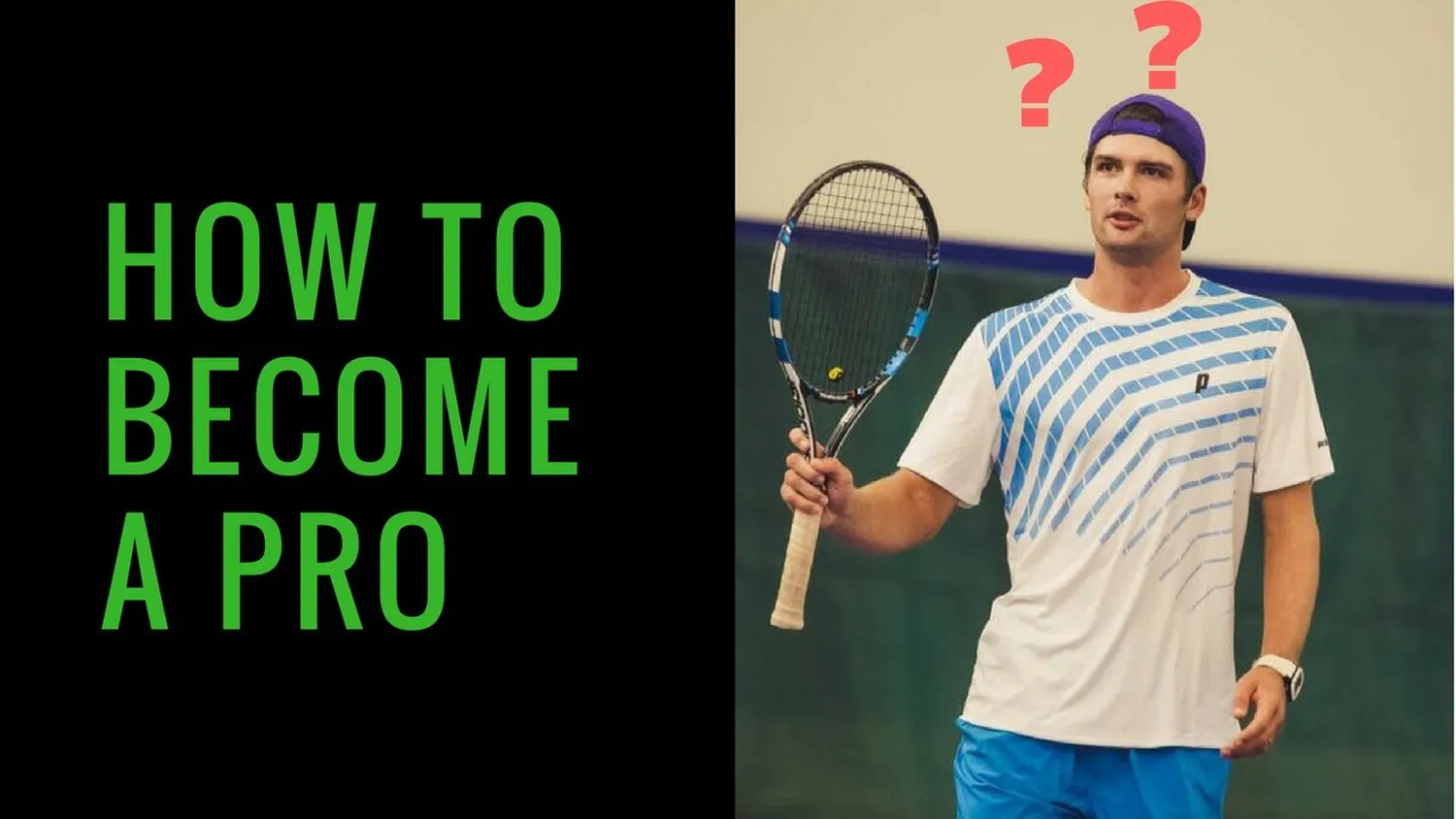
Reaching the pinnacle of the ATP or WTA tour is a dream for many, but understanding how to become a professional tennis player requires more than just talent. It demands a rigorous 10-to-15-year commitment. In 2026, the game is faster and more physical than ever. To compete, you must master the best tennis techniques for beginners early on and build a foundation that can withstand the pressures of international travel and high-stakes competition.
Step 1: Early Development and High-Performance Coaching
Most pros begin their journey between the ages of 4 and 6. At this stage, the focus isn't on winning, but on developing hand-eye coordination and fluid mechanics. As you progress, you should move from local clubs to high-performance academies. A structured tennis training plan for beginners is essential here to ensure you aren't overworking growing joints while still getting the 15–20 hours of weekly practice required to sharpen your skills.
Step 2: Climbing the Competitive Ladder
You cannot simply sign up for the US Open. The path to professional status is strictly meritocratic. You must progress through three distinct tiers:
- Junior ITF Circuit: Competing in Under-18 tournaments worldwide to earn a world junior ranking.
- ITF World Tennis Tour (Futures): This is where you earn your first ATP or WTA points. These tournaments usually have a prize pool of $15,000 to $25,000.
- ATP Challenger Tour / WTA 125: The final stepping stone. Success here allows you to enter the main draws of major tour events and Grand Slams.
Physical Conditioning: Building a Pro Body
Modern tennis is an endurance sport played in short, explosive bursts. To survive a five-set match, you must follow a specialized routine. Many aspiring pros use tennis footwork drills for beginners as a warm-up, but the professional level requires heavy strength training and aerobic conditioning. If you want to how to play tennis like a pro, your off-court fitness is just as important as your on-court forehand.
The Reality: Financial Investment
Going pro is expensive. Before you start earning millions in endorsements, you are responsible for travel, coaching, and entry fees. Below is a breakdown of the estimated annual costs for an aspiring professional player on the ITF circuit.
| Expense Category | Estimated Annual Cost (USD) |
|---|---|
| Full-time Coaching | $30,000 - $60,000 |
| International Travel | $20,000 - $40,000 |
| Equipment & Gear | $5,000 - $10,000 |
| Total Investment | $55,000 - $110,000+ |
Mental Toughness and Strategy
The difference between a Top 100 player and someone ranked 500th is often mental. Learning how to manage "break point" pressure is a skill developed through thousands of hours of match play. Beginners often look for tennis practice tips for beginners to improve their stroke, but a professional focuses on shot selection and exploiting an opponent's weakness. Recovery, sleep, and nutrition also play a critical role in maintaining the mental clarity needed for a professional career.
Frequently Asked Questions: Becoming a Pro
Can I become a pro tennis player at 20?
While extremely difficult, it is not impossible. However, most players have 10,000+ hours of experience by this age. You would need exceptional athletic talent and an intensive training regime to catch up.
How many ATP/WTA points do I need to be professional?
Technically, earning just 1 point makes you a ranked professional. However, to make a living and enter major tournaments, you generally need to be ranked in the Top 150-200 in the world.
What is the best way to get noticed by sponsors?
Winning at the Junior ITF level and maintaining a strong social media presence are the best ways to attract brands like Nike, Adidas, or Wilson in 2026.
Conclusion
Learning how to become a professional tennis player is a journey of resilience. It requires a perfect blend of technical mastery, physical elite-level fitness, and significant financial backing. Start by perfecting your foundations, compete relentlessly, and stay disciplined. The road to the Grand Slams is long, but for those with the grit to endure, the rewards are unmatched.