





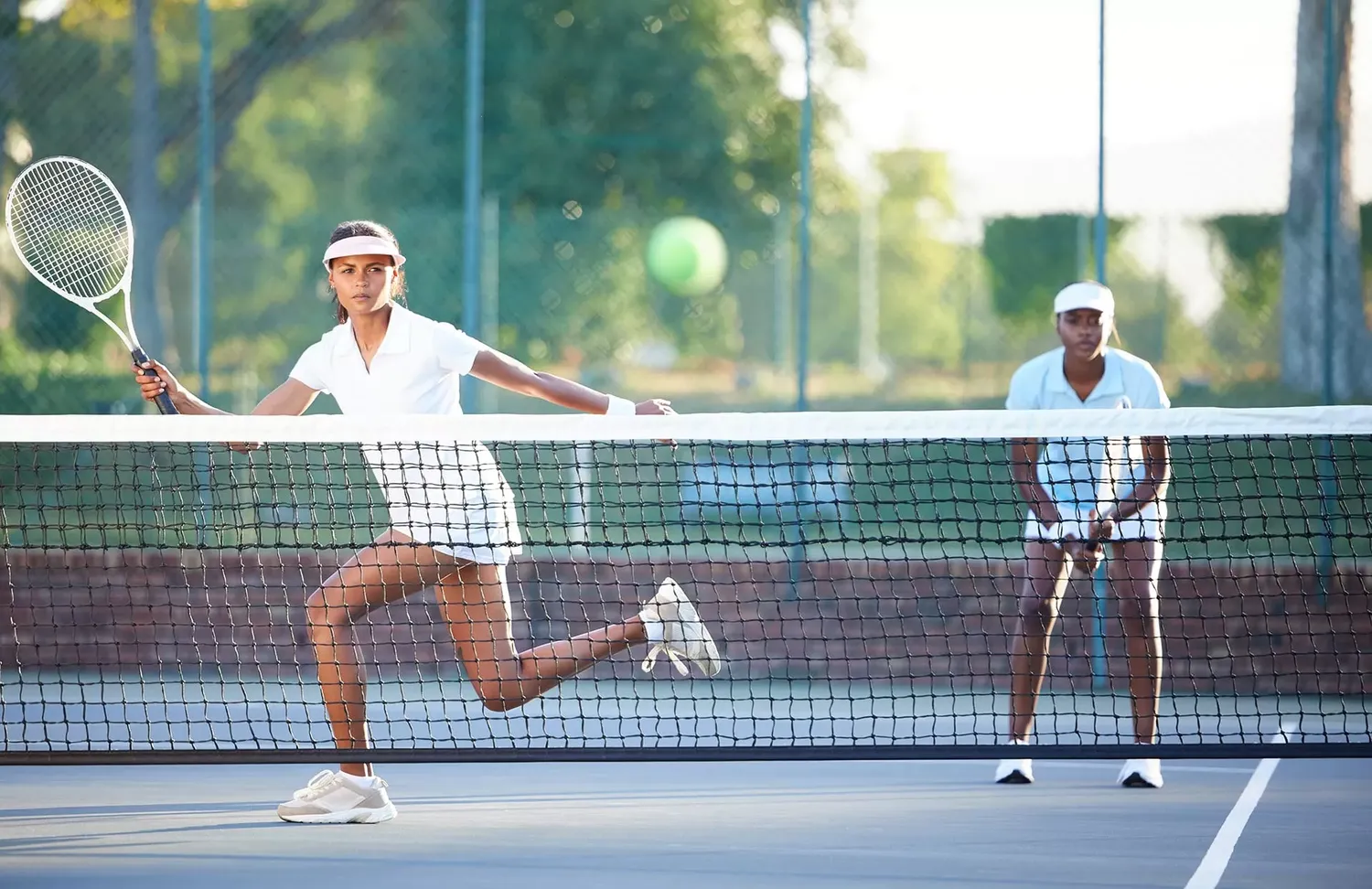
Learning how to play tennis like a pro is about more than just hitting the ball hard; it is a meticulous blend of biomechanics, mental discipline, and tactical intelligence. In 2026, the professional game has reached new heights of athleticism. To compete at this level, you must refine your technical foundation while building the physical stamina required for long matches. This guide breaks down the essential pillars of professional play, from elite footwork to advanced shot-making.
The Professional Foundation: Technique and Gear
To begin your journey on how to play tennis like a pro, you must first master the "kinetic chain." Pros don't just use their arms; they generate power from the ground up. This involves a deep knee bend, hip rotation, and a fluid follow-through. Transitioning from tennis training drills for beginners to advanced play requires you to shorten your backswing for better timing against high-speed shots.
Modern professionals also focus heavily on the "split step." This small hop, performed just as the opponent strikes the ball, keeps your weight on the balls of your feet, allowing for explosive movement in any direction. Without this, your reaction time will never match those at the top tier of the sport.
Elite Footwork and Positioning
Footwork is the engine of a professional player. If you watch elite athletes, they are always "adjusting" with small micro-steps. To move like a champion, you should incorporate tennis footwork drills for beginners into your daily routine, focusing on lateral agility and recovery speed. Pros always return to the center of the baseline "T" after every shot to minimize the open court space for their opponents.
Mastering the Serve and Return
The serve is the only shot in tennis you have total control over. A professional serve isn't just about speed; it's about placement and disguise. To truly improve, you should study how to improve tennis serve accuracy by focusing on a consistent toss and a high contact point. Likewise, the return of serve is vital. Pros use a short, punchy block-return against big servers to redirect the pace.
Pro-Level Training Metrics
Professionalism is defined by consistency. Below is a comparison of typical amateur vs. professional training benchmarks seen in 2026.
| Metric | Amateur Level | Pro Level |
|---|---|---|
| Training Hours | 2-4 hrs / week | 25-30 hrs / week |
| Serve Speed (Avg) | 80-100 mph | 115-135 mph |
| Rally Consistency | 5-10 balls | 30+ balls |
| Fitness Focus | General Cardio | HIIT & Plyometrics |
Tactical Game Planning
If you want to how to play tennis like a pro, you must play with a "patterns of play" mindset. For example, the "Cross-Court Pattern" is a staple where you hit 70% of your shots cross-court to the opponent's weaker side (usually the backhand) until you get a short ball to attack. You can supplement this by learning best tennis techniques for beginners and applying them with a competitive edge.
Furthermore, mental toughness is key. Pros follow a "15-second routine" between points: they wipe their face, adjust their strings, and visualize the next serve. This resets the brain and prevents "choking" during high-pressure moments. To sustain this intensity, a dedicated tennis training plan for beginners should eventually evolve into a professional periodization schedule.
Frequently Asked Questions (FAQs)
How can I play tennis like a pro at home?
Focus on shadow swinging to perfect your form, use a wall for volley drills, and work on your explosive power with box jumps and sprints.
What is the secret to pro-level topspin?
The "low-to-high" swing path is essential. Pros use a Western or Semi-Western grip to brush up the back of the ball, creating high RPMs that keep the ball inside the lines.
Do I need a coach to play like a pro?
While self-teaching is possible with video analysis, a coach provides immediate feedback on technical flaws that you cannot see yourself.
Conclusion: Commit to the Process
Mastering how to play tennis like a pro is a marathon, not a sprint. By focusing on elite footwork, serve precision, and a disciplined training regimen, you can elevate your game to extraordinary levels. Start small, track your progress using the metrics above, and never underestimate the power of a solid mental game. The court is yours—play like you belong there.