





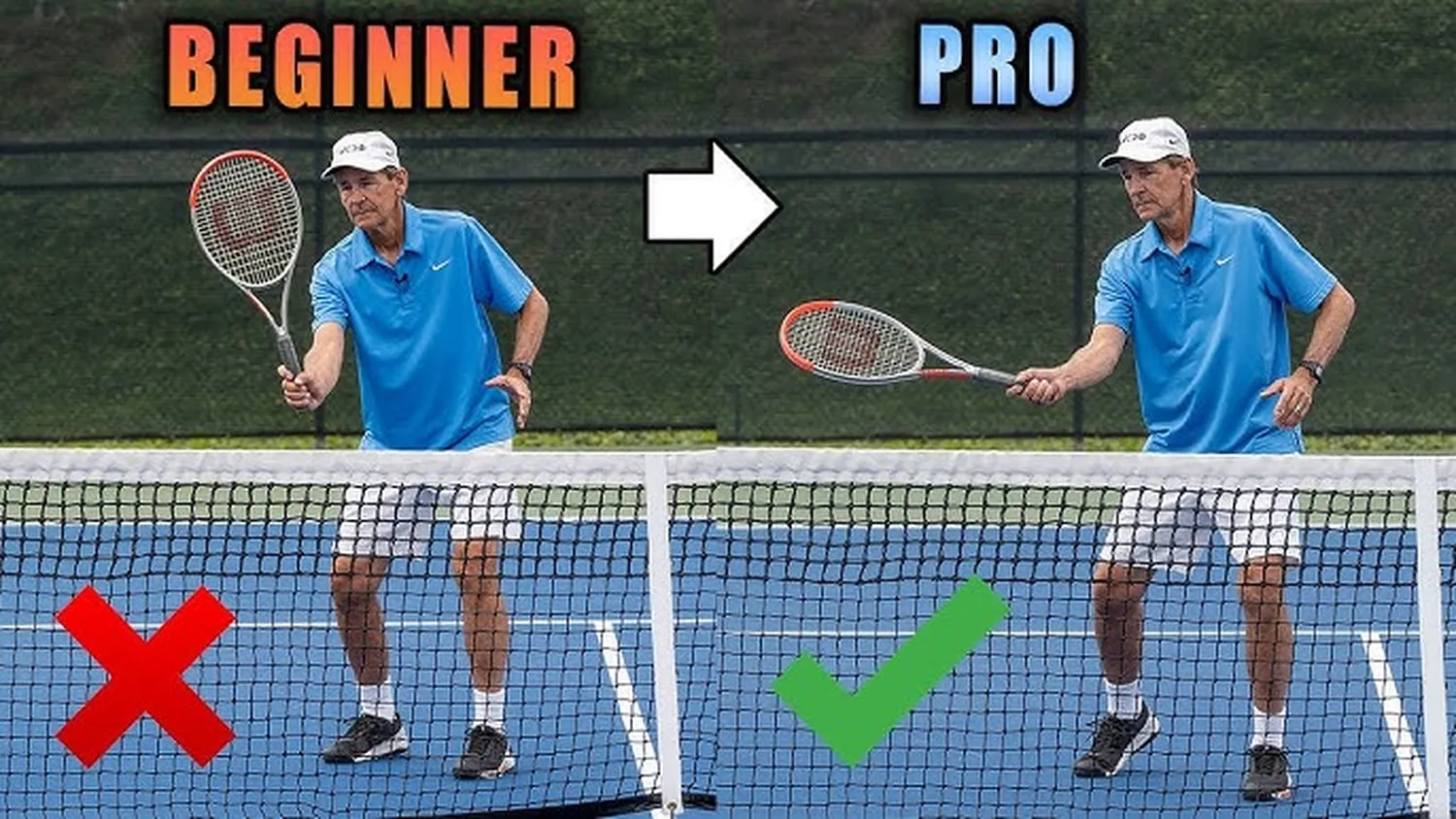
Starting your journey on the court is exciting, but without the right tennis practice tips for beginners, it is easy to pick up bad habits. Tennis is a game of precision, stamina, and mental grit. Whether you want to play recreationally or eventually learn how to play tennis like a pro, focusing on the fundamentals early on will save you months of frustration.
The Foundations: Why Practice Matters
Practice isn't just about hitting the ball over the net; it’s about repetitive muscle memory. For many, the first step is finding a solid tennis training plan for beginners that balances technical skills with physical conditioning. You don't need a partner every day to improve. In fact, many professionals started by hitting against a garage door or a park wall.
Essential Drills to Try Today
If you want to see immediate results, you should incorporate specific tennis training drills for beginners into your routine. Focus on these three areas:
- The Split Step: Always stay on your toes. A split step as your opponent hits the ball allows you to react faster.
- Target Practice: Place cones or even old tennis ball cans in the corners of the court. Aiming for a target is much more effective than just hitting "deep."
- Shadow Swinging: Practice your strokes without a ball in front of a mirror to perfect your form and best tennis techniques for beginners.
What the Data Says About Beginner Progress
Improving at tennis is a gradual process. Most coaches suggest that consistency beats intensity. Below is a look at how regular practice affects skill acquisition for new players.
| Practice Hours | Skill Level Milestone |
|---|---|
| 10 - 20 Hours | Basic ball control and consistent serves |
| 50+ Hours | Ability to sustain 10-ball rallies |
| 100+ Hours | Introduction to match play and tactics |
Mistakes Most Beginners Make
One major error is neglecting footwork. You can have the best forehand in the world, but if you aren't in position, you won't hit it well. Using tennis footwork drills for beginners can bridge the gap between "good" and "great." Additionally, many beginners try to hit the ball too hard before they have mastered the placement. Remember: consistency is the primary weapon in amateur tennis.
Optimizing Your Gear for Practice
Don't rush to buy the most expensive racket. Beginners should look for a racket with a larger head size (over 100 square inches) to provide a bigger "sweet spot." This makes your practice sessions more rewarding as you'll have more successful hits while you refine your tennis practice tips for beginners.
FAQs: Tennis Practice Tips for Beginners
What is the best way to practice alone?
A wall is your best friend. It never misses and returns every ball you hit. It’s perfect for working on your rhythm and timing.
Should I focus on my serve or groundstrokes first?
While the serve starts the point, beginners spend more time in rallies. Focus 60% of your time on groundstrokes and 40% on learning how to improve tennis serve accuracy.
How can I avoid tennis elbow?
Ensure your grip size is correct and avoid "arming" the ball. Use your whole body and core to generate power rather than just your wrist and elbow.
Conclusion
Mastering tennis takes time, but by following these tennis practice tips for beginners, you are setting yourself up for success. Focus on the basics, stay consistent, and don't be afraid to make mistakes. Every pro was once a beginner who refused to give up. Grab your racket, head to the court, and start practicing today!