





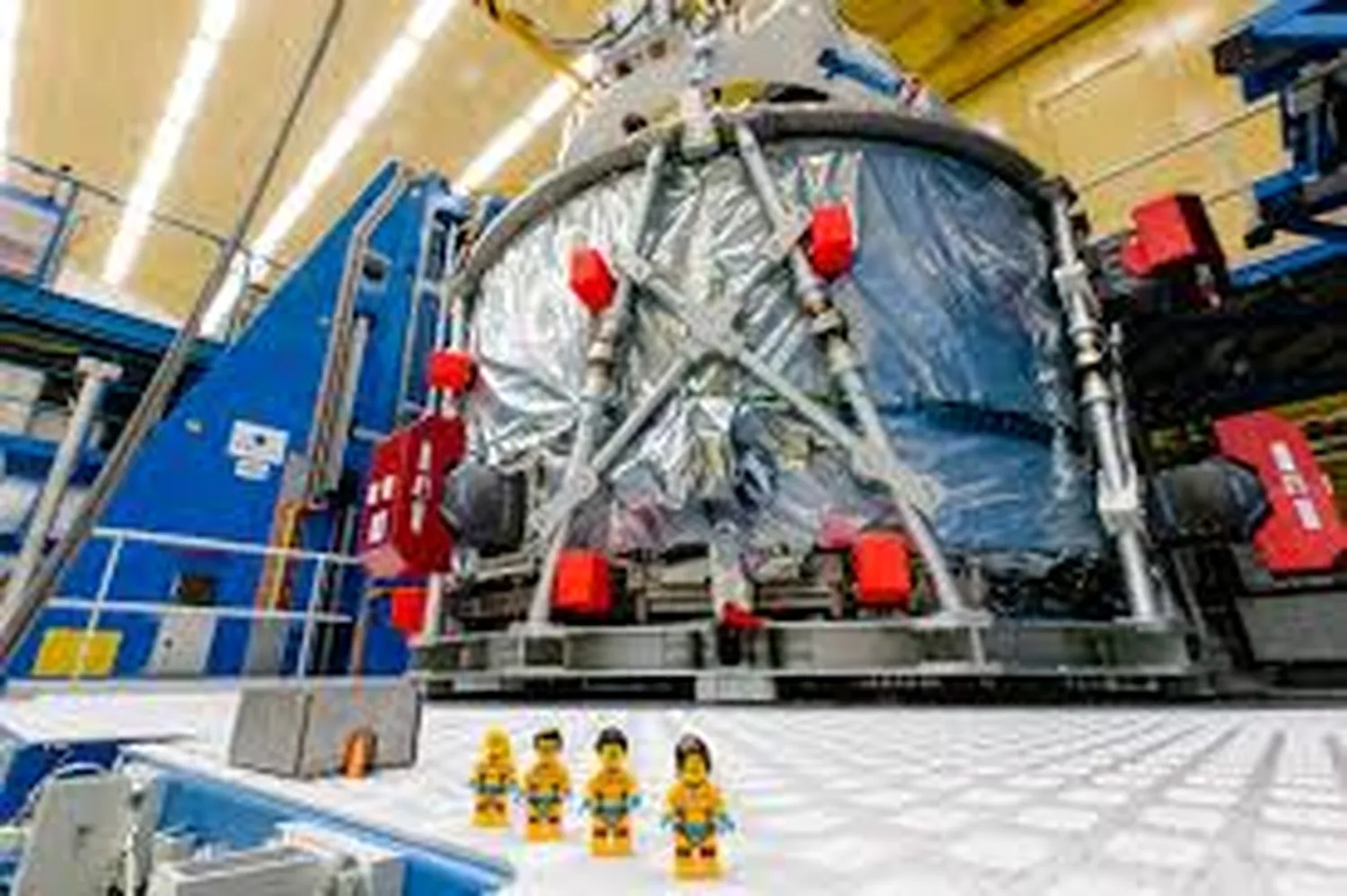
When a teacher in a small village in Kenya shows her class the live launch of Artemis II or a student in Brazil downloads a crystal-clear photo of the Orion spacecraft floating above the Moon, something magical happens. NASA’s free photos, videos, and mission data are quietly changing how millions of young people around the world learn about science, space, and possibility.
What Is NASA Multimedia?
NASA produces an enormous library of high-resolution images, 4K and 8K videos, live streams, 3D models, and interactive tools. Everything is public domain, meaning teachers and students can download and use it freely. From stunning Earth-from-space time-lapses to detailed Artemis mission footage, these materials make abstract space concepts feel real and exciting.
If you want to explore the library yourself, our complete NASA image and video library free download guide shows exactly how to get the best files in seconds.
Free Resources Teachers Actually Use
The most popular tools include:
- High-resolution mission photos (Apollo and Artemis II)
- 4K launch and splashdown videos
- Interactive solar system and Moon maps
- Live mission streams and press conference recordings
- Ready-to-use lesson plans and activity kits
Real Impact: Numbers That Matter
| Metric | Annual Reach |
|---|---|
| Downloads from NASA Image Library | Over 200 million files |
| Students reached through NASA education portals | More than 50 million |
| Countries using NASA resources in classrooms | More than 180 |
| Teachers registered in NASA Educator Network | Over 500,000 |
Artemis II Bringing Space into Classrooms
The April 2026 Artemis II mission created a new wave of excitement. Teachers worldwide used the live launch feed, real-time tracking maps, and stunning crew photos to turn ordinary science lessons into unforgettable experiences. Students watched the Orion spacecraft fly around the Moon and asked questions that led to deeper discussions about exploration and the future. You can read the full mission story in our article on Artemis II mission details and launch date.
Stories from Classrooms Around the World
In rural India, a school used NASA Moon photos to teach geography and inspire girls to consider STEM careers. In a classroom in Chicago, students recreated an Orion spacecraft model after watching 4K footage from the mission. In South Africa, teachers combined NASA videos with local astronomy traditions to make lessons culturally relevant. These stories show how NASA multimedia connects young minds everywhere.
How Teachers Use It Every Day
Many educators start with the NASA Artemis Program explained for beginners to give students the big picture, then dive into specific visuals from the image library. The materials work across grade levels—from elementary students learning about the Moon to high-schoolers studying rocket technology and international cooperation.
The Future of NASA Education Tools
As NASA prepares for more frequent Moon landings and eventual Mars missions, the multimedia will keep growing. Future resources will include live feeds from the lunar surface, virtual reality tours of the planned south pole base, and even student-designed experiments flying to the Moon. The goal remains the same: spark curiosity and show every child that space belongs to all of us. Learn more about what’s coming in our guide to future Moon missions and lunar exploration goals.
Frequently Asked Questions About NASA Multimedia in Education
Is NASA multimedia free for schools everywhere?
Yes – completely free and available to every school on the planet with internet access.
Can I use NASA photos and videos in my lessons?
Absolutely. All content is public domain – no permission needed and no copyright restrictions.
What is the best way to find Artemis II classroom materials?
Use the official NASA Image and Video Library and search “Artemis II” – thousands of ready-to-use files are already there.
How does NASA multimedia help students in STEM?
It makes complex topics visual and exciting, helping students see real-world applications of science and engineering.
Where can I learn more about upcoming missions for my class?
Our article on future Moon missions and lunar exploration goals is a great starting point.
Conclusion: NASA Multimedia Is Opening the Universe to Every Student
From a single high-resolution photo of the Moon to a full 4K video of a rocket launch, NASA’s multimedia resources continue to inspire the next generation of scientists, engineers, and dreamers. No matter where a child lives, these free materials show that space exploration is for everyone. The images and stories from Artemis and beyond are not just teaching science—they are showing young people what humanity can achieve when we work together.