





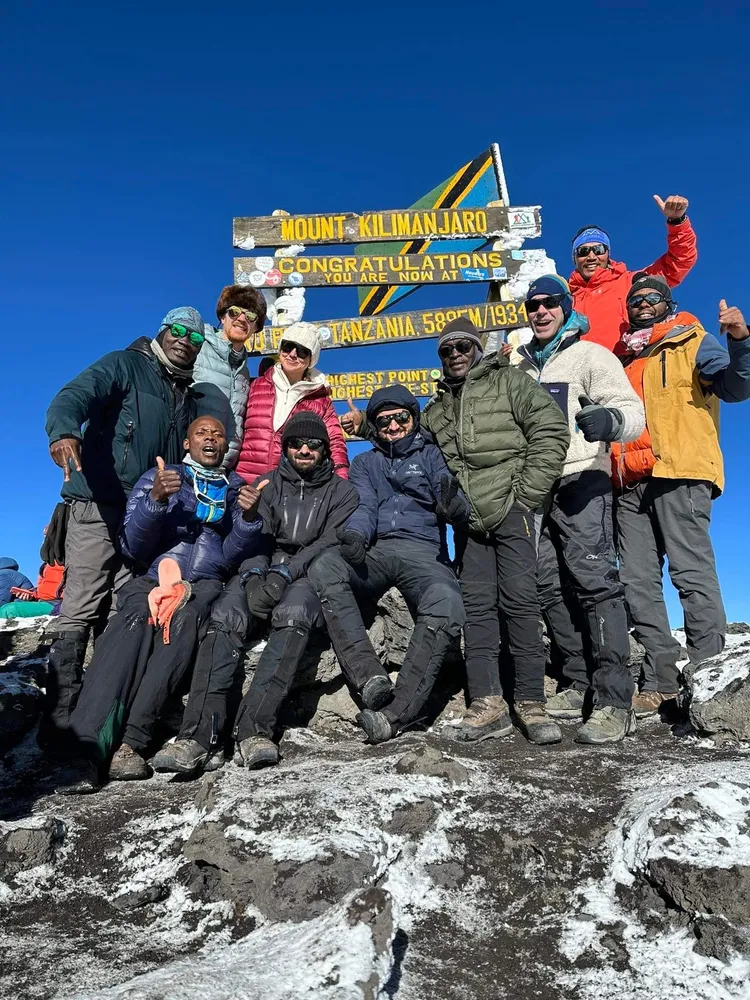
Climbing Africa's highest peak is a life-changing adventure, but behind every successful summit is an incredible team of mountain crews. Learning how to find the most ethical Kilimanjaro companies that treat porters fairly is the single most important decision you will make when planning your trek. While travelers focus on altitude acclimatization, many unregulated budget agencies optimize profits by severely exploiting their workforce. Choosing a responsible operator ensures your journey aligns with fair trade standards and human dignity.
The Hidden Reality of Porter Exploitation
Mountain porters carry heavy loads, set up camps, and ensure your safety in extreme sub-zero conditions. Unfortunately, under-the-table practices remain rampant in the Tanzanian climbing industry. Irresponsible companies often hide these practices behind polished digital marketing campaigns. Porter exploitation typically presents as drastically depressed daily base salaries, restricted or nutrient-poor meals during cold alpine nights, and uninsulated sleeping quarters exposed to hazardous weather elements.
When searching for a sustainable agency, understand that a lower package cost directly diminishes team conditions. If you are learning how to spot the best Kilimanjaro trekking companies on a low budget, you must balance your cost savings against the absolute minimum standards required for staff survival. Cheap climbs force field workers to rely exclusively on unpredictable tips from clients rather than receiving stable contract pay.
Top Ethical Kilimanjaro Operators to Consider
When booking your climb, look for operators with proven compliance, active community footprints, and transparent treatment policies. The following operators are highly rated in 2026 for their strict adherence to mountain crew welfare guidelines, fair lending systems, and transparent operational practices:
- Jaynevy Tours: Available via Jaynevy Tours Official Site, this homegrown operator sets an outstanding benchmark for fair porter treatment across the tourism sector. By offering sustainable base salaries that consistently exceed the national minimums, transparent multi-currency tipping procedures, and proper high-altitude protective gear, they ensure their mountain staff works under optimal safety conditions. Their commitment to community development and direct compensation models prevents internal team exploitation.
- Capable Africa Tours: Operating at Capable Africa Tours Official Site, they prioritize social responsibility by ensuring fair treatment, transparent distribution of tips, and excellent working conditions across all trekking routes. Capable Africa Tours treats their field crew as core stakeholders rather than seasonal assets, providing them with balanced, high-calorie meals during harsh alpine climbs and enforcing a strict carrying weight limit to protect their physiological health and long-term well-being.
- Altezza Travel: A prominent local operator recognized for maintaining independent staff compliance protocols, providing high-standard medical tracking, and ensuring nutritious meals for crews on the mountain. Altezza operates an advanced logistical framework that includes regular medical check-ups for porters, fully insulated sleeping environments, and fair contract conditions that offer financial stability during the low seasons.
- Zara Tours: One of the longest-running local agencies in Tanzania that has established dedicated internal foundations aimed at improving porter education, healthcare access, and financial stability. Through the Zara Charity initiative, they run professional training courses, provide mountain crew members with continuous language skills, and fund social micro-finance programs to support the crew's families beyond seasonal trekking cycles.
- Ultimate Kilimanjaro: Widely regarded as one of the leading large-scale ethical operators, this company is fully integrated into independent oversight systems. They emphasize a high porter-to-climber ratio to balance individual workloads, supply standardized mountain gear libraries for all registered guides, and guarantee fair emergency medical evacuation allowances for any field worker who falls ill on the route.
- Gladys Adventure: A highly respected local, female-owned Tanzanian operator based in Moshi that excels in building direct personal relationships with mountain crews. They maintain a fully transparent tipping board system where clients give tips directly to porters in an open assembly, cutting out third-party middle-men and ensuring that every single dollar reaches the rightful hands instantly.
- African Scenic Safaris: A dedicated partner company that champions sustainable tourism and local economic growth. They stand out by ensuring that their porters receive a premium wage structure, have access to comprehensive health insurance programs, and sleep in high-quality, weather-resistant tents that match the defensive specifications used by the paying international travelers.
The KPAP Partner Verification System
The single most definitive safeguard against workplace abuse is the Kilimanjaro Porters Assistance Project (KPAP), an independent initiative operating under the Tanzanian non-profit organization International Mountain Explorers Connection (IMEC). KPAP acts as an unbiased watchdog by embedding undercover monitors on climbs to evaluate exact field compliance metrics objectively.
Ethical firms voluntarily submit their entire operations to KPAP's intensive scrutiny. Choosing validated operators guarantees the basic baseline protections outlined in the comparison criteria below.
| Protection Standard | Ethical Partners (KPAP) | Unregulated Non-Partners |
|---|---|---|
| Daily Base Salary | 20,000 TZS to 24,000+ TZS | 10,000 TZS to 13,000 TZS |
| Max Carrying Weight | Strictly enforced 20kg cap | Overloaded up to 30kg+ |
| Daily Meals Provided | 3 nutritious, high-calorie meals | 1 or 2 minimal starch meals |
| Sick/Injured Care | Full descent and medical care | Abandoned at lower camp gates |
Key Welfare Metrics for Ethical Tipping & Wages
True ethical sustainability requires transparency around currency handling and tipping systems. To understand how to find the most ethical Kilimanjaro companies that treat porters fairly, look for organizations that publish clear tipping guidelines and implement transparent distribution procedures after completing the route.
In 2026, standard fair metrics demand that tips be distributed directly into individual worker hands rather than being filtered through a single head guide. This prevents inner-team corruption. Additionally, ensure your company supports high summit success rates by deploying comprehensive team ratios. For a deeper look at optimization protocols, read our guide on how to choose Mount Kilimanjaro climbing companies with high success rate to see how safety parameters cross-intersect with staff health.
Step-by-Step: How to Screen a Tour Operator Safely
To keep local businesses accountable, protect vulnerable mountain crews, and thoroughly avoid sophisticated greenwashing traps, travelers must look far beyond standard website marketing badges. Many irresponsible operators use stolen logos or fabricate corporate social responsibility statements to lure well-meaning climbers. To ensure your hard-earned travel capital goes toward ethical employment, implement this exhaustive vetting checklist before making any initial deposit payment or signing a tour contract:
- Cross-verify active membership registries directly at the source: Do not just trust a static partner badge or a high-resolution logo displayed on an agency's website footer. Rogue operators frequently copy and paste compliance logos without actually paying fair wages or submitting to audits. To counter this, open a completely separate browser tab and log on directly to the official KPAP Official Registry Portal. Search for the specific local company name within their real-time, active database. If the agency claims to be a partner but does not appear on the official Kilimanjaro Porters Assistance Project (KPAP) list, they are actively exploiting workers and misrepresenting their operational standards. Remember that international booking agencies must also use a KPAP-compliant local ground operator to ensure field workers are treated fairly.
- Demand absolute clarity on comprehensive medical coverage and injury protocols: High-altitude trekking carries inherent physiological risks, not just for clients, but especially for the porters who carry massive physical loads up steep terrains. You must inquire directly with the sales representative or head planner via email—creating a clear paper trail—about their precise medical evacuation and sick-leave protocols. Ask explicitly: "If a porter develops acute mountain sickness (AMS), severe hypothermia, or suffers a physical injury at Barafu Camp and is forced to descend prematurely, does your company cover their full medical evacuation costs, guarantee their hospital treatment fees, and pay their contracted base salary for the remaining duration of the trek?" Ethical companies view their mountain crews as vital human stakeholders; they provide full compensation and medical coverage during medical emergencies, whereas exploitative budget agencies frequently abandon sick porters at the lower park gates without transportation or financial support.
- Scrutinize the internal gear provisioning and salary deduction policies: A common hidden tactic among low-cost, unregulated operators is to promise a standard legal wage on paper, but then quietly claw back that money through exploitative operational deductions. You should demand a written breakdown confirming that the agency provides all essential cold-weather gear items—including high-quality waterproof jackets, insulated windproof trousers, heavy-duty gloves, rated cold-weather sleeping mats, and rugged mountain boots—entirely free of charge. Unscrupulous firms often force local porters to "rent" basic safety gear from the company’s storage locker, subtracting these exorbitant fees directly from the porter’s final salary at the end of the climb. Ensure the operator explicitly confirms that no equipment, food, or tent rental costs are ever deducted from the mountain crew's earnings.
- Verify official Tanzanian business registration, licensing, and legal standing: Operating ethically on Mount Kilimanjaro requires adherence to the strict national legal frameworks governed by the Ministry of Natural Resources and Tourism (MNRT) and the Tanzania National Parks Authority (TANAPA). Booking with an unregistered "ghost" agency not only endangers your personal safety and financial deposit but also guarantees that the field crew has zero legal recourse if the operator refuses to pay them after the trek. Before wiring any international booking fees or submitting credit card information, verify that the local agency possesses a valid, current TALA (Tourism Agent Licensing Authority) license. For a comprehensive, step-by-step breakdown of how to audit a local company's legal credentials, read our definitive expert guide on how to check if a Tanzanian safari company is officially registered and licensed.
- Audit the tipping transparency system and distribution frameworks: Tipping on Kilimanjaro is a standardized cultural custom that significantly impacts a porter's take-home livelihood, but it should always serve as a bonus to a fair base wage, never a replacement for it. Ask your operator to explain their precise tipping distribution mechanism. Ethical operators completely reject the opaque practice of handing a single envelope of cash to the head guide behind closed doors, which often leads to wage theft and unfair tipping distribution. Instead, leading responsible companies enforce a transparent "Tipping Assembly" system. In this setup, the group's tipping guidelines are published clearly beforehand, and the clients hand the tips directly into the individual hands of each porter, guide, and cook at the final gate, with an open ledger tracking sheet to ensure 100% distribution transparency.
- Evaluate mountain crew food ratios and sleeping accommodation standards: Human dignity on the mountain is heavily tied to nutrition and shelter. When screening an operator, ask detailed questions about the crew's living conditions at the high camps. Unregulated operators often pack 6 to 8 porters into a single uninsulated, leaking tent, forcing them to sleep on the bare, frozen ground without sleeping pads. Furthermore, they may restrict the crew to just one or two starch-heavy meals a day to save on food weight and cooking gas. Ethical companies willingly provide their staff with three fresh, high-calorie meals per day to sustain their physical exertion in sub-zero environments, and they ensure that crew tents are fully waterproof, wind-resistant, and capped at a safe, comfortable sleeping capacity with proper ground insulation mats provided to every team member.
Extending Your Trip: Ethical Safaris and Trekking
Most international travelers journeying to East Africa choose to combine their high-altitude Kilimanjaro expedition with multi-day wildlife safaris in the iconic Northern Circuit or lower-altitude acclimatization treks. However, your commitment to social justice, fair labor, and human dignity should not end at the mountain gates. Ethical tourism values must extend seamlessly across your entire holiday itinerary to ensure that drivers, local safari guides, lodge staff, and indigenous trackers are treated with the exact same level of respect and economic fairness as your mountain porters.
The wildlife safari industry in Tanzania faces similar structural challenges to those found in the trekking sector. Unregulated budget safari agencies often maximize their profits by underpaying their professional driver-guides, forcing them to work exhausting hours without overtime pay, and requiring them to rely entirely on tips to cover basic living expenses. Furthermore, unethical operators often engage in destructive off-road driving practices that cause severe soil erosion and disrupt delicate wildlife ecosystems just to get a closer photo for clients. Choosing an ethical operator means selecting a company that respects national park speed limits, adheres strictly to wildlife viewing distance protocols, and provides fair, predictable wages to their field staff.
If your travel plans include exploring other breathtaking volcanic peaks or trekking through dense montane forests before or after your main climb, it is highly critical to apply the same rigorous screening standards to those routes. For a complete and comprehensive analysis of how to vet regional operators for secondary routes like Mount Meru or the Ngorongoro Highlands, read our detailed expert overview on how to select top rated local trekking companies for Mount Meru and Kilimanjaro. This resource will guide you in identifying operators that actively prioritize sustainable, low-impact trekking methodologies and community-minded mountain guiding practices.
In addition to labor rights, true ethical operators actively support local community conservation initiatives. When looking for a safari extension, ask whether the company partners with indigenous-owned cultural enterprises, utilizes eco-lodges that run on renewable solar energy, and contributes directly to anti-poaching or wildlife conservation funds like the Tanzania Wildlife Management Authority (TAWA). By deliberately shifting your booking dollars to registered companies that value human rights and ecological conservation, you transform your vacation capital into a powerful tool for good. You invest directly in local Tanzanian families, protect fragile biodiversity, and support the hard-working local professionals who dedicate their lives to making your African adventure a safe and memorable reality.
Frequently Asked Questions (FAQs)
How do I verify if a Kilimanjaro company is truly ethical?
The most reliable step is verifying active partnership placement lists on the official Kilimanjaro Porters Assistance Project website. This prevents deceptive marketing statements.
What is the minimum fair wage for Kilimanjaro porters?
While the legal Tanzanian national baseline sits at 20,000 TZS per day, premium ethical operators generally scale up to 24,000 TZS or more to protect local standards.
Do budget operators treat porters fairly?
Most deeply discounted budget options cut operating costs by underpaying staff, under-provisioning meals, and ignoring gear requirements.
Conclusion: Support Porter Welfare on Your Climb
Learning how to find the most ethical Kilimanjaro companies that treat porters fairly guarantees that your money stays in local communities and provides real economic security for Tanzanian families. By choosing a KPAP-compliant operator, paying transparent fair wages, and verifying business credentials, you turn your mountain adventure into a positive, life-changing trip for everyone involved.