





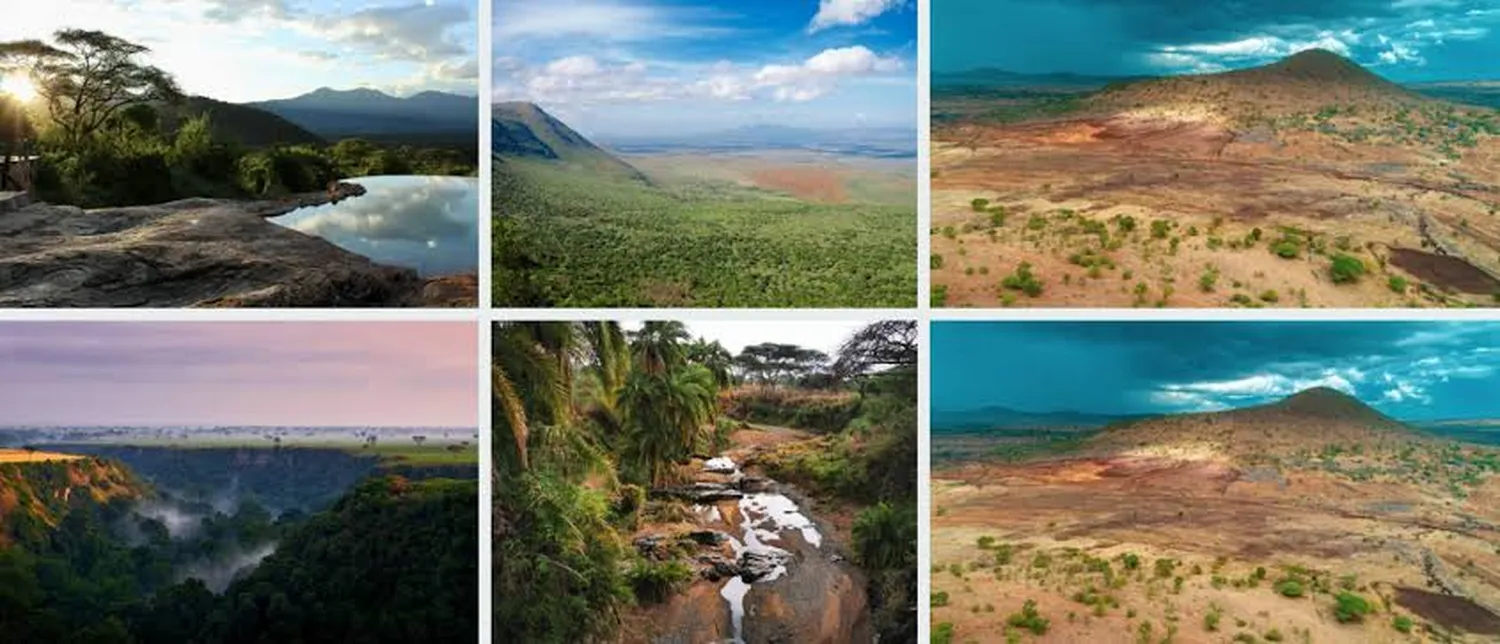
Tanzania is famous globally for the sweeping plains of the Serengeti and the towering heights of Mount Kilimanjaro. However, the rise of mass tourism has left many popular spots feeling crowded. To capture the true essence of raw, untouched Africa, you need to understand how to discover off-the-beaten-path Tanzania tours for a unique adventure. Escaping the safari traffic allows you to connect intimately with nature, encounter wildlife without dozens of surrounding vehicles, and support community-led conservation efforts.
Why Choose Secluded Tanzania Tours?
Choosing remote routes protects sensitive ecological systems and directs tourism dollars directly to costly wildlife preservation zones and marginalized rural communities. Instead of following well-traveled dirt tracks where fleets of 4x4s crowd around a single lion look-out, visitors discover expansive open spaces. To escape these major holiday bottlenecks, many savvy travelers choose to plan a Tanzania Southern Circuit safari to avoid crowds entirely.
In these hidden geographical pockets, wild encounters feel earned. You spend your hours tracking wild dogs across dry river beds or watching leopards interact without the ambient noise of roaring engines. This setup is perfect for individuals seeking authentic peace, raw photographic opportunities, and deep geographical isolation away from commercial tourist developments.
Top Hidden Regions to Explore
If you want to leave the classic routes behind, look into these specific geographical areas when planning your custom vacation itinerary:
- Katavi National Park: A prehistoric wilderness area located in western Tanzania. It features massive pods of hippos fighting for space in dwindling waterholes during the peak dry seasons.
- Mahale Mountains National Park: Home to some of the last remaining wild chimpanzee populations on earth, accessible only by boat along Lake Tanganyika.
- Ruaha National Park: A vast landscape featuring rugged baobab trees and giant prides of lions that see only a fraction of the daily visitors found in the northern parks.
To fully experience these delicate ecosystems without leaving a harsh environmental footprint, make sure you know how to experience a truly regenerative eco safari in Tanzania. This guarantees your expenditure actively supports regional wilderness preservation and green lodging operations.
Steps to Find the Right Operators for Remote Wilderness Safaris
Finding these hidden opportunities takes deliberate, multi-layered research. Standard high-volume travel agencies rarely offer custom itineraries to remote parks because logistics are complex, seasonal flight operations are highly volatile, and the regions completely lack mass-market hospitality infrastructure. To ensure your investment yields an authentic, safe, and seamless deep-bush experience, you must transition away from mass booking platforms and employ a rigorous screening process. Focus your research and vetting protocols using these comprehensive, practical steps:
-
Search for Specialized Local Outfits and On-the-Ground Operators:
Seek out boutique operators that place a heavy emphasis on foot travel, remote mobile fly-camping setups, and wilderness walking trails. Local companies headquartered directly within Tanzania (such as in Arusha or Dar es Salaam) maintain direct operational control over their ground handling teams, vehicles, and supply lines. This eliminates the middleman markup and ensures that if a logistical challenge arises in a remote corner like Katavi, the team can pivot instantly.
When evaluating an operator's specialty, look closely at their historical background. Do they prioritize high-volume lodge-to-lodge driving itineraries, or do they showcase active involvements in setting up seasonal, low-impact bush camps? The right operator should possess a deep archive of custom-tailored itineraries, dedicated logistical networks in the Southern and Western Circuits, and a transparent operational history that favors long-term conservation tracking over rapid tourist turnover. -
Check for Green Fleets and Low-Impact Transportation:
Environmental preservation isn't just a marketing buzzword; it directly alters the quality of your wildlife sightings. Traditional internal combustion engines produce constant ambient noise, high-frequency vibrations, and heavy exhaust fumes that frequently startle skittish, unaccustomed wildlife in isolated zones. Always try to find tour operators using electric safari vehicles in Tanzania to enjoy completely silent, emission-free wildlife viewings.
Electric Safari Vehicles (ESVs) allow you to approach delicate riverbanks or predator feeding grounds without disrupting natural animal behaviors. When interviewing prospective companies, ask specific technical questions about their fleet: Do they use full-electric conversions or hybrid systems? What is the operational range of their green fleets under heavy off-road conditions? A truly eco-conscious company will proudly detail their solar-powered charging infrastructures located at their base camps, proving that their commitment to low-impact travel extends from the vehicle's battery all the way to their underlying renewable energy grids. -
Inquire About Wildlife Walking Permits, Guide Qualifications, and Safety Protocols:
Stepping out of a steel-framed vehicle and tracking big game on foot completely changes the dynamic of an African safari. Because you are entering raw territory where animals are not habituated to human presence, the qualifications of your guide are paramount. Make sure the agency holds valid, verified walking permits issued by the Tanzania National Parks Authority (TANAPA) or the Ngorongoro Conservation Area Authority (NCAA). It is vital to learn how to book the best Tanzania walking safari packages safely before setting out on foot into big game territory.
A premium operator will provide armed, professionally trained rangers and seasoned wilderness trackers who possess deep knowledge of animal tracking, wind patterns, and animal behavior psychology. During your screening process, ask about their safety metrics, emergency evacuation protocols, satellite communication equipment (such as Garmin InReach or satellite phones), and the exact certification level of their lead guides. True wilderness tracking requires years of specialized apprentice training; ensuring your guide holds senior tracking credentials is the single most critical step in balancing raw, pulse-pounding adventure with bulletproof operational safety. -
Verify Fair Trade Tourism and Community-Led Conservation Accreditations:
True off-the-beaten-path travel must be symbiotic; it must benefit the local inhabitants who act as the primary guardians of these remote wilderness boundaries. When choosing an operator, request clear documentation regarding their community partnership agreements and employment practices. Do they hire local trackers, camp staff, and chefs from the immediate villages bordering the national parks? Are their wages structured fairly, exceeding the baseline standard to foster long-term community growth?
Top-tier sustainable operators frequently partner with local indigenous groups, funding educational clinics, clean water infrastructure, and anti-poaching initiatives through a percentage of their direct safari revenues. By actively cross-referencing your chosen operator against international sustainable tourism standards and looking for transparent financial breakdowns of their conservation fees, you guarantee that your physical presence actively protects the delicate social and ecological fabric of rural Tanzania.
Popular vs. Remote Safari Metrics
The differences between high-traffic circuits and lesser-known regions are clear when looking at actual visitor concentrations and pricing realities.
| Safari Region | Daily Vehicles | Key Vibe |
|---|---|---|
| Northern Circuit | High (50+) | Classic, busy |
| Southern Circuit | Low (<10) | Wild, quiet |
| Western Circuit | Minimal (<5) | Raw, isolated |
Logistics and Travel Planning Realities for Isolated Regions
Traveling off the beaten path requires a fundamental shifting of your logistical perspective. While a mainstream holiday trip to Arusha town or the highly commercialized Ngorongoro Crater floor can easily be arranged on short notice using standard tourism networks, flying into the remote wilderness of Katavi or securing a boat transfer to the pristine shores of Mahale demands surgical coordination with highly erratic seasonal flight schedules. Deep-bush travel is dictated by natural geography and highly restricted aviation corridors rather than on-demand tourist infrastructure.
Small turboprop bush planes operated by regional aviation services run on very specific days of the week, often flying complex multi-stop milk-run routes across the country. Because these light aircraft operate on short, unpaved gravel airstrips inside the national parks, weight distribution is critical for structural safety. Luggage limits are strictly enforced and typically capped at 15 kilograms (around 33 pounds) per person, inclusive of all hand luggage and heavy camera gear. Furthermore, this baggage must be packed exclusively in soft-sided duffel bags without rigid frames or wheels, as hard suitcases simply will not fit into the compact, awkwardly shaped cargo pods of a Cessna Grand Caravan or a Beechcraft Super King Air.
Seasonal weather variants also play a massive role in shaping your remote itinerary. During the heavy rainy season (known locally as the *Masika* from late March through May), many dirt roads in parks like Ruaha and Katavi turn into impassable black cotton mud, and several low-impact luxury camps pack up their tents entirely until the dry season returns. Conversely, the peak dry season (from July to October) offers unparalleled wildlife concentrations as animals gather around dwindling water sources, but this window also experiences the highest demand for accommodation.
Because these pristine ecosystems intentionally limit their human footprint, the elite eco-lodges and intimate, low-impact luxury tented camps operating in these zones often feature fewer than 6 to 10 total guest tents. This creates an extreme scarcity of available beds during optimal travel windows. Planning and booking your itinerary at least 8 to 12 months in advance is highly recommended to secure space. Working with an elite, highly experienced destination management company that specializes in complex, remote African itineraries—such as the regional travel experts at jaynevytours.com—is absolutely essential to seamlessly synchronize these delicate internal flights, private boat charters, park permits, and exclusive lodge bookings without costly operational errors.
More Safari Inspiration for the Conscious Explorer
Maximizing the long-term value and personal impact of your custom African journey means looking at travel through a much broader, deeply conscious lens. A safari should not merely be a passive game-viewing exercise; it should serve as an immersive, transformative bridge that connects your spirit directly with the ancient heartbeat of the land and its traditional guardians. For travelers who wish to complement their wilderness isolation with meaningful human connections, consider discovering how to engage in a respectful cultural immersion safari in Tanzania. This specialized approach ensures you can safely, ethically, and authentically connect with ancient, non-commercialized tribal cultures like the nomadic Hadzabe hunter-gatherers or the pastoralist Datoga silversmiths without contributing to cultural exploitation.
In addition to deep cultural exchanges, many modern adventurers are seeking ways to process the raw intensity of the African bush in a more internal, rejuvenating manner. You can find out exactly how to combine wildlife and wellness on a Tanzania mindfulness safari to learn how to masterfully balance your daily open-vehicle game drives with deep therapeutic peace, professional bush meditation sessions, and holistic wellness practices in the heart of the savannah. By weaving these diverse elements together, your off-the-beaten-path safari transitions from a simple sightseeing vacation into a profound, life-changing odyssey.
Frequently Asked Questions
Why should I choose an off-the-beaten-path Tanzania tour?
It provides an exclusive wildlife experience with zero crowd disruptions, authentic cultural connections, and directly supports remote ecosystem conservation.
Are remote safaris more expensive?
They can have higher upfront transport costs due to light aircraft flights, but they offer unparalleled value in terms of privacy and uncrowded viewing spaces.
References & Authority Resources
For more official safety protocols, park fee structures, and regional wilderness maps, explore the official Tanzania Tourist Board Portal for updated guidelines.