





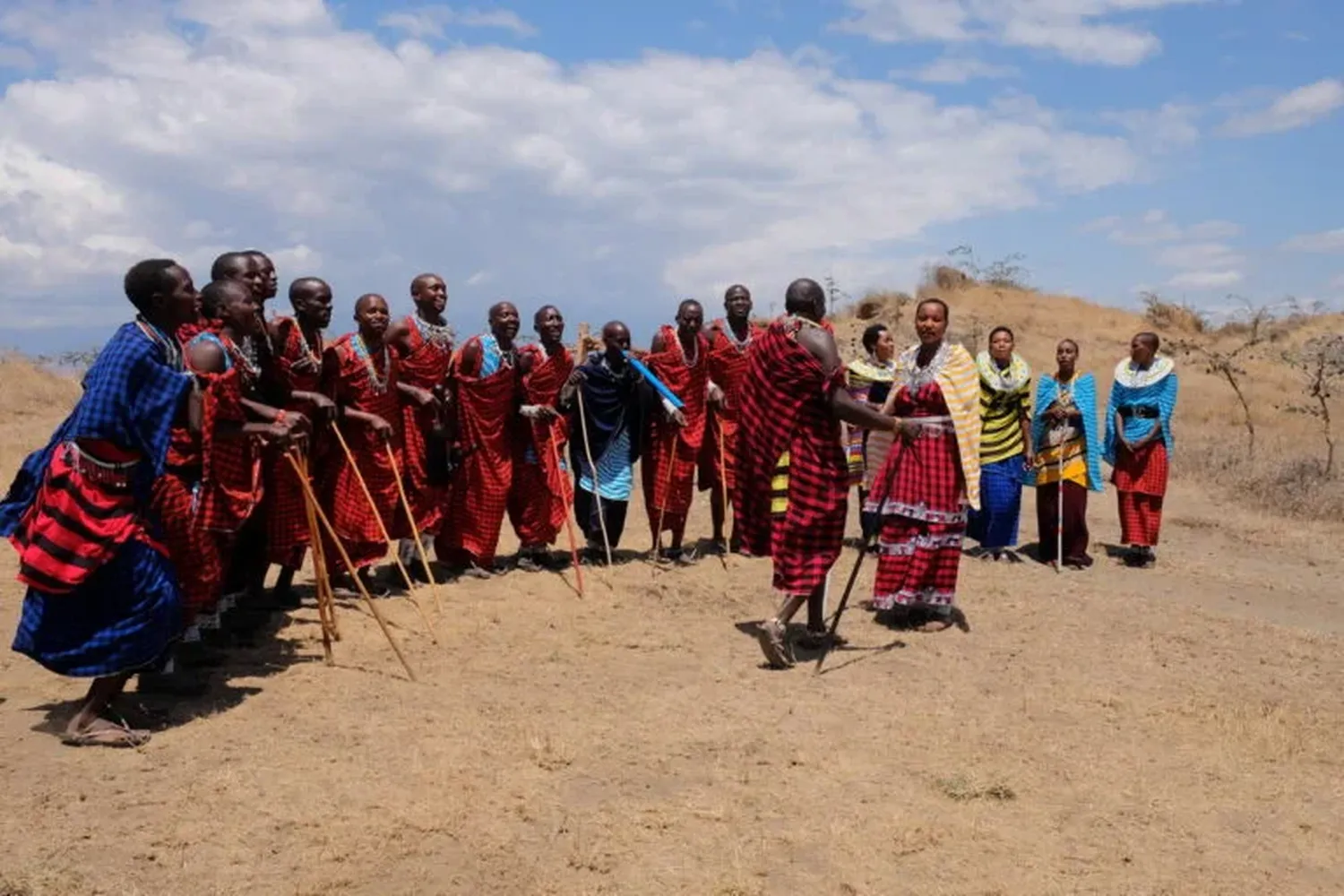
Tanzania holds some of the most vibrant human heritages on earth, boasting over 120 unique ethnic groups. While watching wild herds navigate savanna landscapes is truly striking, matching wildlife viewings with real, human-centric travel provides unmatched depth. Learning how to engage in a respectful cultural immersion safari in Tanzania ensures that your physical presence actively preserves heritage, pays hosts equitably, and builds bridges of understanding across linguistic divides.
Understanding the Ethics of Cultural Safaris
True cultural immersion should never mirror a transactional commodity show. Historically, poorly planned rural excursions turned vulnerable communities into simple photo locations without their informed consent. Modern, impact-driven travel requires checking how your operator interacts with local populations. For example, learning how to experience a truly regenerative eco safari in Tanzania equips travelers to spot programs where communities direct the terms of engagement.
Ethical operations route substantial portions of guest fees to local village committees, expanding clean water development projects, school material procurement, and localized medical clinics. Independent regulatory bodies like the Tanzania Sustainable Tourism Alliance state that premium operators must provide full financial transparency, ensuring that communities are paid fairly for their educational presentations.
Core Principles for Respectful Immersion
To guard against intrusive tourism behaviors, travelers must align their day-to-day choices with the following core behaviors:
- Secure Verifiable Photography Approvals: Never lift a camera or phone toward an individual, child, or family dwelling without asking first. Use the polite Swahili request, "Naomba kupiga picha?" (May I kindly take a photograph?) and gladly respect a flat refusal.
- Adopt Modest Dress Standards: Rural communities and coastal regions observe highly traditional dress expectations. Travelers should avoid tight fits or revealing items, keeping shoulders and knees appropriately covered during all village walks.
- Interact with Active Humility: Sit comfortably when invited inside, sample seasonal culinary offerings gladly, and focus heavily on active listening over lecturing. Frame your inquiries with respect rather than comparing local lifestyle spaces against Western frameworks.
- Empower Local Markets Directly: Purchase hand-beaded bracelets, wood carvings, and woven blankets directly from the artists who craft them. Paying full listed asking values directly keeps economic benefits within the hosting families.
For visitors wishing to escape common commercialized crowds completely, learning how to discover off-the-beaten-path Tanzania tours for a unique adventure opens doors to profound, community-led programs far outside the traditional tourist circuits.
Deep Dive into Tanzania's Indigenous Hosts
Depending on your chosen exploration routes, several exceptional cultural groups manage transparent, respectful community visits across the country. Understanding their histories, socio-economic challenges, and structural worldviews allows travelers to shift from mere spectators to conscious, empathetic global citizens who add value to the spaces they visit.
The Maasai of the Northern Savannas
Draped in brilliant, wind-swept red shúkàs and adorned with intricate geometric beadwork, the pastoralist Maasai stand as one of the most iconic symbols of East African heritage. For generations, these semi-nomadic herders have successfully coexisted with some of the planet's most dangerous wildlife across the vast Ngorongoro Conservation Area and the endless Serengeti plains. Their entire lifestyle, structural cosmology, and economic framework revolve directly around their beloved cattle, which they view not merely as a source of food, but as a direct, divine gift from their single creator god, Enkai. To the Maasai, a man’s wealth and social standing are judged definitively by two key pillars: the structural size of his cattle herds and the number of children he raises. Because of this profound pastoral bond, they historically resisted transitioning into sedentary crop farming, choosing instead a migratory path that allows grasslands to naturally regenerate after intense grazing cycles. Their social structure is highly organized through a rigorous age-set lineage framework, where young boys transition into the revered warrior class (Morans), tasked with protecting the community and livestock, before eventually graduating into the status of wise elders who lead the political and judicial decisions of the village (Boma).
Authentic cultural immersion within a Maasai community means strictly avoiding commercialized, artificial roadside setups and actively choosing to book structured visits with authentic, community-run bomas. In these self-governing spaces, entry fees and financial contributions do not disappear into the pockets of urban tour brokers; instead, the money goes directly into transparent, community-managed accounts that fund shared solar energy configurations, repair deep-borehole water pumps, or purchase emergency medical supplies and cattle vaccines. When visiting a genuine Maasai boma, guests are invited past the defensive perimeter of sharp acacia thorns—designed to keep nocturnal lions and leopards at bay—to observe the traditional construction of mud-and-dung enkajang huts, meticulously built by the village women. A respectful traveler will take the time to sit with the village elders, learning about the complex social roles, the historic shifts balancing modern formal school education with ancestral bush survival skills, and the innovative conservation partnerships currently being forged to reduce human-wildlife conflict. By engaging directly with community-led initiatives, your financial impact directly supports Maasai self-determination and preserves their right to protect their ancestral lands on their own terms.
The Hadzabe Hunter-Gatherers
Settled around the rugged, semi-arid acacia bushlands and ancient baobab valleys surrounding Lake Eyasi, the ancient Hadzabe people maintain one of the last true hunter-gatherer pathways left anywhere on earth. Geneticists and anthropologists widely consider the Hadzabe to be one of the oldest continuous human lineages, tracing their roots back tens of thousands of years without any historic transition into organized agriculture, animal husbandry, or permanent architectural settlements. They speak a remarkably complex, entirely unique click language that bears no linguistic connection to any other modern tongue in Africa, emphasizing their long-standing isolation and cultural resilience. Living in small, egalitarian cooperative bands consisting of roughly twenty to thirty individuals, the Hadzabe recognize no formal political hierarchy, chieftains, or rigid property ownership rules. Food is shared instantly and completely among all members of the camp; if a hunter returns with meat, it belongs to the whole community, ensuring absolute survival security for the young, the infirm, and the elderly alike. The women possess a stunningly deep botanical knowledge, utilizing hand-carved wooden digging sticks to expertly harvest nutrient-rich wild tubers, sweet berries, and highly prized medicinal plants hidden deep beneath the dry valley soil.
Ethical cultural excursions to visit the Hadzabe must be approached with the utmost care, prioritizing the tribe's personal privacy and fragile ecosystem above all else. Responsible operators avoid large, disruptive tour caravans completely, relying instead on small, quiet, low-impact groups that merge seamlessly into the daily rhythms of the bush without altering them. A respectful visit involves joining the hunters at the break of dawn as they track wild game through the thick brush, utilizing beautifully crafted wooden bows strung with animal sinew and arrows tipped with natural plant poisons. There are no staged performances or commercialized dances; instead, travelers witness an authentic, ancient way of life defined by total ecological harmony. As an egalitarian society, the Hadzabe are facing severe pressures from agricultural expansion and pastoral encroachment on their traditional hunting grounds. By choosing sustainable tour guides who pay direct land-use fees directly to the Hadzabe community committees, travelers provide the tribe with the financial resources needed to legally defend their territorial boundaries, protect their water sources, and maintain their chosen heritage in a rapidly modernizing world.
The Datoga Blacksmiths
Residing in the immediate geographic vicinity of the Hadzabe around the shores of Lake Eyasi, the resilient and highly skilled Datoga community offers a fascinating contrast in lifestyle, technology, and social structure. The Datoga are an ancient Nilotic pastoralist group who are highly regarded throughout the region for their fierce independence, intricate facial scarification traditions, and, most notably, their extraordinary mastery of metallurgy. For centuries, a specialized clan within the Datoga known as the Blacksmiths (Gheghembe) has played a vital socio-economic role in East Africa by expertly recycling discarded scrap metals—such as old copper pipes, broken car suspensions, iron nails, and aluminum pots—into practical, highly prized trade tools. Operating in open-air workshops beneath the shade of large leafy trees, these master craftsmen use simple, handmade leather bellows to blow oxygen through charcoal fires, melting down solid metal blocks at incredibly high temperatures before hand-hammering the glowing material with precision onto smooth stone anvils.
Watching their dynamic smelting steps offers travelers a rare, unfiltered view into centuries-old technical knowledge that has been passed down orally through family lineages for generations. The Datoga blacksmiths forge beautifully sharp arrows that they trade directly with the neighboring Hadzabe in exchange for wild honey and animal hides, creating a vital local economic network. Additionally, they handcraft gorgeous brass bracelets, heavy necklaces, and ceremonial rings worn by Datoga women, who are famous for their beautiful pleated leather skirts colored with natural red clay fats. A respectful traveler visiting a Datoga homestead will take the time to appreciate the complex technical skill required to execute this work without modern machinery. By purchasing jewelry and metal crafts directly from the artisans at their workshop, visitors provide immediate economic support to the blacksmith families, ensuring this historic, brilliant manufacturing tradition remains viable for future generations.
The Highland Chagga Farmers
Living along the fertile, emerald-green lower slopes of Mount Kilimanjaro, the progressive Chagga people have developed an incredibly advanced, highly successful agricultural society that stands as a model of sustainable land use. Favored by rich, volcanic soil and abundant, cool mountain rainfall, the Chagga historically designed an intricate network of underground volcanic tunnels for defense and engineered a highly sophisticated system of gravity-fed irrigation furrows to direct water down the mountain slopes. They are the creators of the famous "Chagga Home Gardens" (Kihamba)—a brilliant, multi-layered agroforestry system where tall, indigenous canopy trees provide essential shade for massive banana plants, which in turn protect the delicate, high-quality organic Arabica coffee trees growing underneath, while the ground layer is filled with nutritious root vegetables and beans. This intensive, organic farming methodology allows a single family to sustainably generate continuous food and cash crops from a relatively small plot of land without relying on harsh artificial fertilizers or destroying the native mountain ecosystem.
For active travelers, combining a comprehensive cultural coffee excursion with scenic wilderness walks is an exceptionally rewarding experience. When researching how to book the best Tanzania walking safari packages safely, ensure your itinerary includes a dedicated day with a Chagga hosting family. Visitors can participate directly in the entire traditional coffee-making process—from hand-picking ripe red coffee cherries in the garden, to depulping, sun-drying, roasting the beans over an open wood fire, and hand-pounding them in a large wooden mortar while singing traditional rhythmic Chagga folk songs. Beyond coffee, exploring the ancient, hand-carved underground caves used during historical tribal conflicts offers a deep window into the engineering intelligence of the community. Engaging with Chagga eco-tourism projects ensures that your travel funding directly rewards local farmers for preserving their traditional agroforestry methods, encouraging the long-term protection of Mount Kilimanjaro’s critical water catchment zones.
Crucial Village Etiquette Rules
Your guide plays a crucial role as a cultural translator. Listen carefully when they explain localized taboos, physical greeting expectations, and symbolic elder hierarchies. For instance, always hand items or payments over using your right hand, as using the left hand is culturally offensive across many rural homesteads. Avoid passing out plastic-wrapped candies or loose cash to village kids, as this encourages begging; instead, funnel your donations cleanly into designated school drop boxes or centralized health supplies.
Furthermore, look into the holistic environmental values of your travel agency. Finding travel providers who minimize their environmental footprint—such as learning how to find tour operators using electric safari vehicles in Tanzania—shows a comprehensive respect for both the ecosystem and the communities living within it.
Cultural Safari Comparison Framework
Review this small comparison checklist to make sure your travel activities support community respect and ethical engagement:
| safari Element | Exploitative Practice | Respectful Immersion |
|---|---|---|
| Village Support | Unregulated drop-ins via large tour buses. | Scheduled small-group visits via community invitations. |
| Financial Impact | Fees kept entirely by big city agencies. | Direct compensation to village council funds. |
| Handicraft Buying | Aggressive bargaining over minor coins. | Paying listed asking prices for authentic crafts. |
By blending deep cultural respect with mindful reflection, travelers can create truly life-changing moments. If you want to pair wild animal viewings with calming, restorative travel practices, checking out how to combine wildlife and wellness on a Tanzania mindfulness safari helps you enjoy the wilderness while showing profound care for the local people.
Frequently Asked Questions
What is a respectful cultural immersion safari in Tanzania?
It is an ethical, sustainable travel methodology that prioritizes the human rights, financial compensation, and socio-cultural dignity of local host tribes and host villages.
How do I ask permission to take photos during a Tanzanian cultural safari?
Consult your expert local guide first, then politely ask your specific hosts using the Swahili phrase: 'Naomba kupiga picha?' always respecting a negative answer.
Which communities can I ethically visit in Tanzania?
Travelers can safely visit the Maasai, Hadzabe hunters, Datoga silversmiths, and Chagga mountain farmers through operators who give back directly to community village committees.
Conclusion: Building Meaningful Human Connections
Engaging in a respectful cultural immersion safari in Tanzania turns a standard holiday into a lifelong bond of mutual respect. By prioritizing ethical agencies, checking your assumptions at the gate, and committing to fair compensation, you protect the cultural integrity of the communities hosting you. Approach East Africa with an open heart, clear boundaries, and the humility of a guest, and you will return home with far more than beautiful photographs.