





Stepping into a boxing gym for the first time can be intimidating, but mastering the best boxing techniques for beginners is all about breaking the sport down into its core components. In 2026, boxing is more popular than ever for both fitness and competition. Whether your goal is to box like a professional or simply get in the best shape of your life, focusing on proper form early on is vital to avoid injuries and build power.
The Foundation: The Perfect Boxing Stance
Your stance is your base. Without a solid stance, you cannot generate power or move effectively. For a right-handed boxer (Orthodox), your left foot should be forward, and for left-handers (Southpaw), your right foot takes the lead. Keep your hands up by your cheekbones and your chin tucked. If you want to take your training further, you might also be interested in best mma techniques for beginners which share similar striking foundations.
The Four Basic Punches Every Beginner Must Know
Punching isn't just about arm strength; it’s about rotating your hips and shoulders. Here are the core strikes in the best boxing techniques for beginners:
- The Jab: Your most important tool. It's a straight punch with your lead hand used to measure distance.
- The Cross: A power punch thrown from the back hand. It requires a pivot on your rear foot.
- The Hook: A semi-circular punch aimed at the side of the head or body.
- The Uppercut: A vertical, rising punch that targets the opponent's chin.
To help you progress faster, incorporating boxing training drills for beginners into your routine will sharpen these strikes and increase your accuracy over time.
Essential Defense and Protection
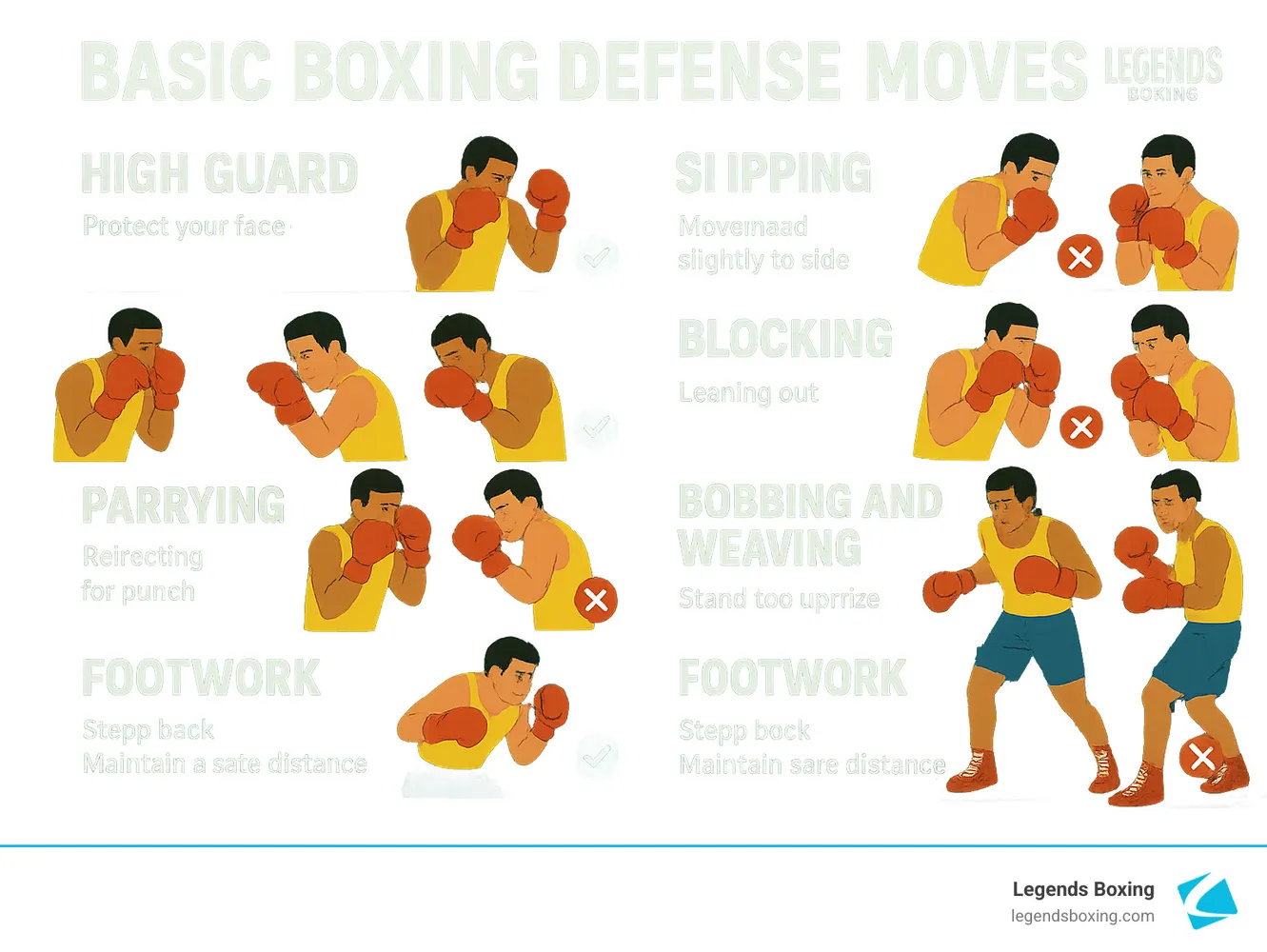
Boxing is just as much about not getting hit as it is about hitting. Defensive skills separate the amateurs from the pros. Beginners should focus on "Slip," "Duck," and "Parry." These movements require quick reflexes and a strong core. If you find yourself struggling with speed, you should learn how to improve punching speed in boxing as fast hands often lead to better defensive transitions.
Boxing Footwork and Moving Under Control
Never cross your feet! Good footwork allows you to stay balanced while moving in and out of range. Check the table below for a quick summary of beginner movement principles:
| Movement | Key Rule | Purpose |
|---|---|---|
| Step Forward | Lead foot moves first | Closing distance |
| Step Backward | Rear foot moves first | Escaping pressure |
| Pivoting | Rotate on lead ball | Changing angles |
FAQs: Best Boxing Techniques for Beginners
Can I learn boxing techniques at home?
Yes, you can practice shadowboxing and footwork at home. However, it is highly recommended to have a coach check your form periodically to prevent bad habits. Check our boxing training tips at home guide for more.
What equipment does a beginner need?
Start with hand wraps and 14oz or 16oz gloves. A mouthguard and headgear are essential once you begin light sparring.
How can I increase my punching power?
Power comes from the ground up. Focus on your leg drive and hip rotation rather than just pushing with your arms.
Summary of Training
Consistency is key to mastering the best boxing techniques for beginners. Start slow, focus on form, and gradually increase your speed. As your conditioning improves, you might want to look into a gym workout plan for beginners to build the functional strength required for the ring. Stay disciplined, keep your hands up, and keep moving!