





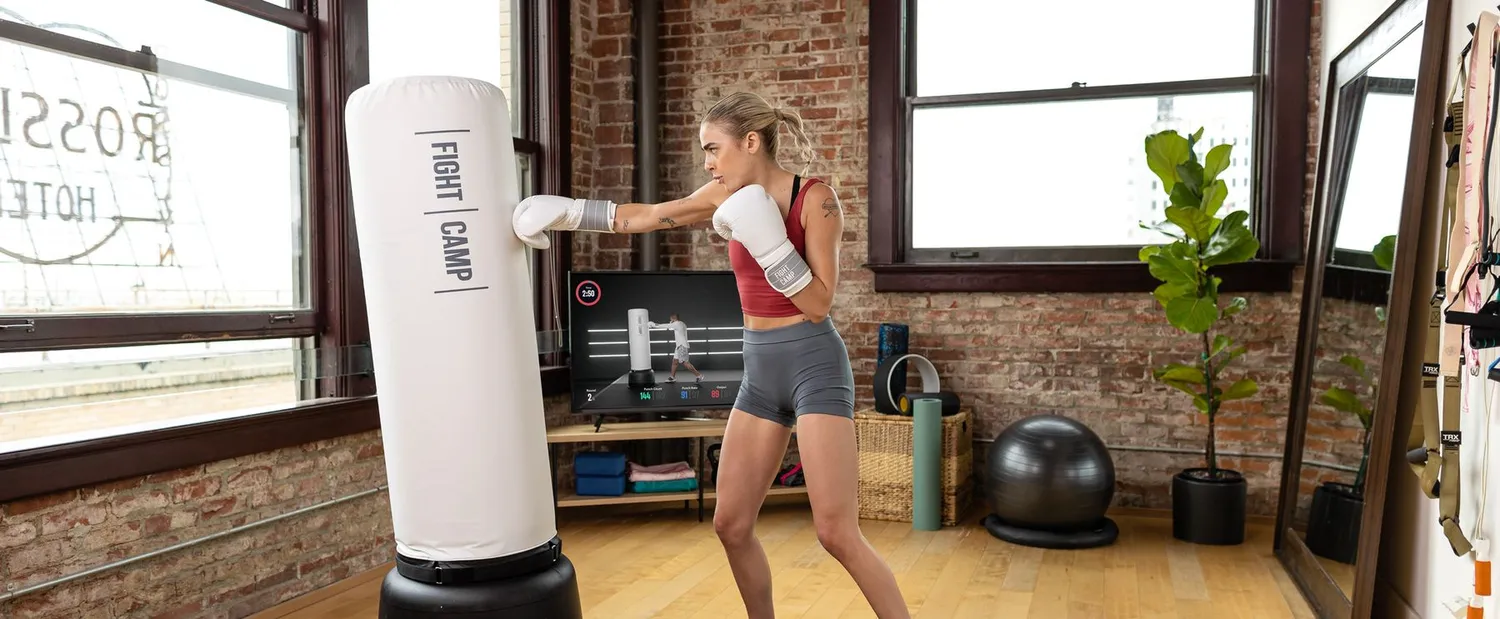
In 2026, you don't need a high-end gym membership to get into fighting shape. Mastering boxing training tips at home is about discipline, the right structure, and focusing on the fundamentals. Whether you want to improve your health or eventually become a professional boxer, your journey starts in your living room or garage. This guide breaks down the essential drills and strategies to transform your home space into a world-class training camp.
Setting Up Your Home Boxing Space
Before throwing your first punch, you need a safe environment. You require a space of at least 6x6 feet to allow for lateral movement. Unlike other sports, boxing is about angles. If you are also interested in best mma workouts for beginners, you'll find that a padded floor or yoga mats are essential to protect your joints during high-impact movements.
Must-Have Equipment for 2026
| Equipment | Priority |
|---|---|
| Hand Wraps | Critical (Joint Safety) |
| Jump Rope | High (Cardio/Timing) |
| Boxing Gloves | High (Bag Work) |
| Full-Length Mirror | Medium (Form Check) |
Essential Home Boxing Drills
Technical proficiency is what separates a brawler from a boxer. Start with shadowboxing—it is the ultimate tool for visualization. Focus on your stance; your feet should be shoulder-width apart, with your lead foot pointing forward and your rear foot at a 45-degree angle. This balance is similar to the stability needed in best exercises for basketball players, where core strength dictates performance.
- The Shadowboxer: 3 rounds of 3 minutes. Focus on 1-2 (Jab-Cross) combinations.
- Footwork Squares: Move in a square pattern while maintaining your guard. Never let your feet touch.
- Head Movement: Use a "slip rope" (a simple string tied across a room) to practice ducking and weaving.
Improving Speed and Power
To deliver an effective punch, you must learn how to increase power in boxing by using your entire body, not just your arms. Power starts from the ground up, through the legs and hips. Integrating boxing footwork drills for beginners will ensure that you are always in a position to strike with maximum leverage.
Quantitative data suggests that boxers who include plyometric training twice a week see a 15% increase in punching velocity. Incorporate "explosive" push-ups and squat jumps to build those fast-twitch muscle fibers.
Weekly Boxing Fitness Training Plan
Consistency beats intensity. Use this balanced 2026 home routine to stay on track:
- Monday: Shadowboxing + Heavy Bag + Core.
- Tuesday: Boxing fitness training plan (High-Intensity Interval Training).
- Wednesday: Active Recovery (Stretching or Light Jog).
- Thursday: Footwork Drills + Speed Bag/Double-end Bag work.
- Friday: Power Focus (Medicine ball slams and heavy combinations).
- Weekend: Rest and Film Study (Watch professional fights).
Frequently Asked Questions
How often should I train boxing at home?
For beginners, 3 to 4 days a week is ideal. This allows your muscles and joints to recover while building the necessary muscle memory.
Can boxing at home help with weight loss?
Absolutely. An intense boxing session can burn between 500 to 800 calories per hour, making it more effective than steady-state cardio like jogging.
Do I need a heavy bag for boxing training tips at home?
While helpful for power, it is not mandatory. You can get incredible results through shadowboxing and resistance band training alone.
Conclusion
Utilizing these boxing training tips at home will put you ahead of the competition. By focusing on technical drills, setting up a dedicated space, and following a structured plan, you can achieve professional-level fitness. Remember, the best fighter isn't always the one in the best gym, but the one who never misses a session.