





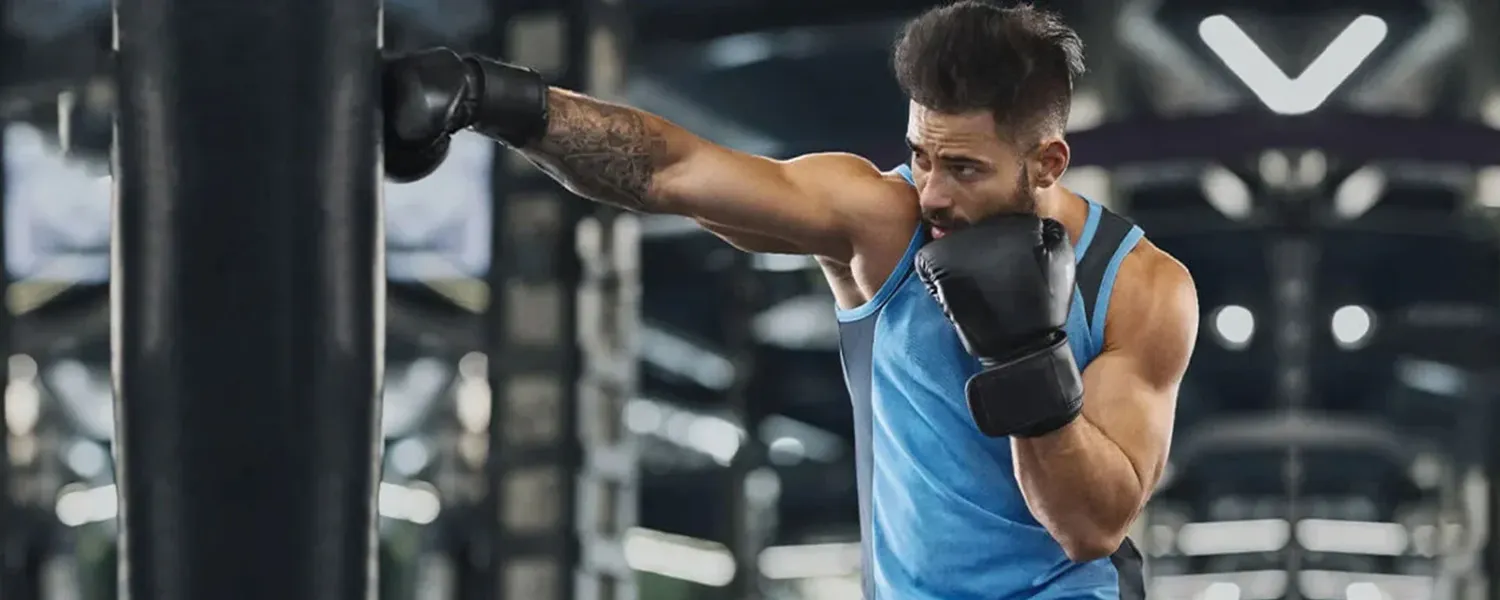
Learning how to box like a professional is not just about raw power; it is about efficiency, rhythm, and mental chess. In 2026, the sport has evolved to favor high-IQ fighters who minimize damage while maximizing tactical output. Unlike amateurs who often rush their shots, a professional understands that every movement must have a purpose. By integrating the best boxing techniques for beginners with advanced ring generalship, you can transform from a brawler into a clinical technician.
The Foundation: Professional Footwork & Balance
If you want to know how to box like a professional, look at the feet before the hands. Professionals never "reach" for a punch; they use their feet to get into range. Maintaining a consistent center of gravity allows for immediate transitions between offense and defense. You should incorporate boxing footwork drills for beginners into every session until you can pivot 90 degrees without losing your stance.
Punching Efficiency vs. Raw Power
Pros don't throw every punch at 100% power. They use "touch" shots to blind the opponent or set up the power hand. To reach this level, you must understand how to increase power in boxing through kinetic linking—starting from the ground, through the hips, and ending at the knuckles. A professional jab is a tool for measurement and distraction, not just a weapon.
| Skill Set | Amateur Focus | Pro Focus |
|---|---|---|
| Volume | High (Tiring) | Calculated (Steady) |
| Defense | Reactive | Pre-emptive |
| Breathing | Irregular | Rhythmic |
Advanced Defensive Layering
A professional boxer is hard to hit because they employ "layers" of defense. This includes parrying with the hands, slipping with the head, and stepping out with the feet. Learning how to improve punching speed in boxing is useless if you cannot stay in the pocket safely. Pros practice "moving after punching" to ensure they are never standing still when the counter-attack comes.
The Professional Training Regimen
Training like a pro requires a specialized boxing fitness training plan that balances cardiovascular endurance with explosive strength. Qualitative data from world-class training camps suggests that mental visualization is just as important as physical bag work. Professionals spend hours analyzing film to spot patterns in their opponents' movements.
- Roadwork: 5-7 miles of varying intensity to build a "gas tank."
- Sparring: Technical rounds focused on specific weaknesses.
- Film Study: Understanding the "why" behind every combination.
- Recovery: Prioritizing sleep and nutrition to prevent overtraining.
Professional Boxing Frequently Asked Questions
How long does it take to box like a pro?
While physical skills can be learned in 1-2 years, the "ring IQ" required to box like a professional usually takes 5+ years of consistent, high-level competition and training.
What is the most important punch for a professional?
The jab. It controls the distance, sets up all other punches, and acts as the primary defensive tool to keep opponents at bay.
Do pros use heavy bags every day?
No. Professionals rotate between heavy bags, speed bags, double-end bags, and mitt work to avoid repetitive strain and to sharpen different aspects of their game.
Conclusion: Thinking Like a Champion
To how to box like a professional is to embrace the grind of the basics. It is the mastery of the boring things the stance, the breathing, and the simple one-two—that separates the elite from the average. Stay disciplined in your training, focus on your ring intelligence, and always be a student of the sweet science. Success in the ring is 10% physical and 90% mental.