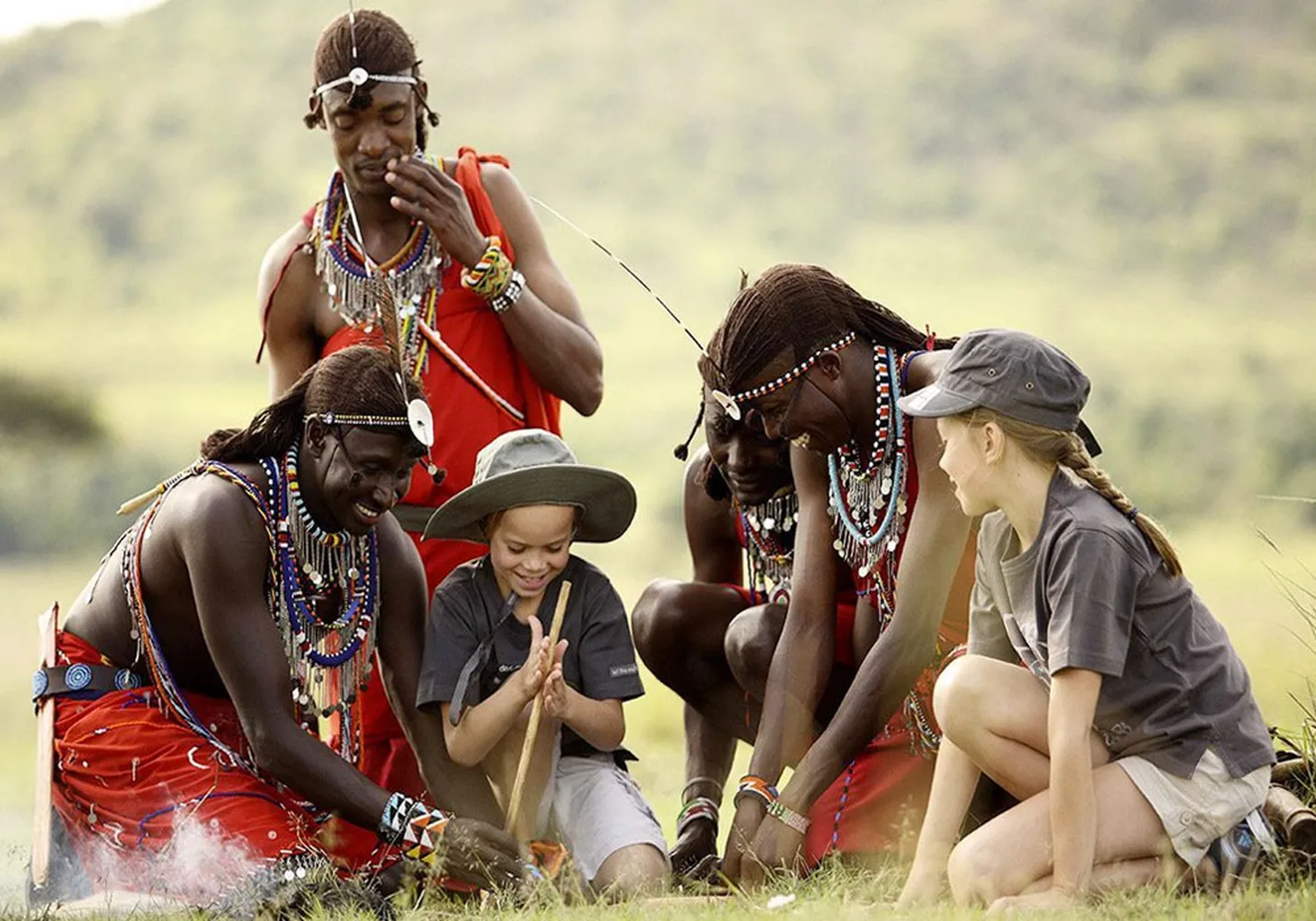
Integrating cultural immersion into wildlife viewing elevates your perspective of East Africa. Learning how to visit a Maasai village on a 6 day safari is one of the most rewarding ways to achieve this balance. The iconic Maasai people, with their brilliant red shúkàs, intricate beadwork, and deep-rooted semi-nomadic lifestyle, co-exist directly alongside famous wildlife corridors. However, executing this visit properly within a tight 6-day schedule requires precise logistics and strict cultural ethics to avoid tourist traps.
Explore Our Comprehensive Guide
Why Integrate a Maasai Visit on a 6-Day Safari?
A classic East African safari is naturally designed to showcase the raw, untamed spectacle of wildlife—the thunderous herds of the Great Migration, the stealthy stalk of a leopard in the acacia branches, and the ancient volcanic caldera of Ngorongoro. Yet, focusing solely on the fauna leaves out the most critical, living piece of the ecological puzzle: the human history of these landscapes. The savanna of northern Tanzania is not an empty wilderness; it is a shared home, and its heritage is deeply and fundamentally tied to the Maasai people.
Integrating a cultural visit to a traditional Maasai homestead—known locally as a Boma—adds a profound layer of human connection to your wildlife-heavy itinerary. Without understanding the pastoralist communities who have successfully coexisted alongside wild predators for centuries, your journey through the northern circuit remains incomplete. It is through their stewardship, patience, and traditional resource management that these world-famous ecosystems have remained pristine enough for us to enjoy today.
Inside the Boma: Architecture, Lifestyle, and Ecology
A visit to a Maasai Boma introduces you to a beautifully balanced way of living. Constructed in a circular layout to shield cattle from predators like lions and hyenas, the homestead represents survival at its most ingenious. You will witness firsthand:
- The Manyatta: Intricately engineered houses built by Maasai women using a resilient mixture of mud, sticks, grass, and cow dung. This specialized plaster naturally regulates temperature, keeping the interior cool under the blistering midday sun and trapping warmth during freezing high-altitude nights.
- The Circle of Life: The central livestock pen (Kraal), which serves as the emotional and economic heart of the community, where cattle, goats, and sheep are protected.
- Ancient Herbalism: Insights into natural botanical medicines harvested directly from wild savanna plants to treat everyday ailments.
Beyond the fascinating physical structures and physical survival skills, a genuine Boma visit exposes you to ancient spiritual beliefs and social structures. You will learn about the complex age-grade system that guides a young boy from a herd boy to an active warrior (Moran), and eventually to a respected village elder. You will hear the deep, rhythmic vocalizations of traditional songs and witness the physical power of the Adumu (the famous jumping dance), which serves as both a demonstration of a warrior's strength and a vital social ceremony.
To ensure your overall journey is worth the financial investment, it is highly recommended that you learn how to measure value of a 6 day luxury tour before coordinating optional excursions like village visits. Understanding where your travel dollars go allows you to make conscious, sustainable decisions that elevate your safari from a simple vacation into a force for global good.
Supporting Direct Community Development
A genuine, ethically planned Maasai visit does more than educate travelers—it serves as a critical lifeline for local families. Entrance fees and direct craft contributions directly fund village water pumps, pay local primary school teacher salaries, and provide emergency medical transport in dry, isolated rangelands.
Where to Fit the Visit (The 6-Day Itinerary Layout)
With only six days on the ground, timing is crucial. You cannot afford long detours to remote regions of Longido or Loliondo. Fortunately, several authentic, community-managed Bomas lie right along the main transit routes of the northern circuit.
The table below highlights the absolute best regions to include your Maasai village stop based on typical routing:
| Region / Location | Travel Day Match | Pros & Cons |
|---|---|---|
| Mto wa Mbu / Manyara | Day 2 (Outbound) | Highly accessible; very educational but can feel slightly commercialized. |
| Ngorongoro Crater Rim | Day 3 or Day 5 | Stunning mountain backdrops; highly authentic integration of wildlife and humans. |
| Serengeti Transit Plains | Day 4 (Midway) | Excellent for breaking up the long, bumpy drive to the central valleys. |
If you are trying to minimize costs while planning this exact timeframe, look into how to get discounts on 6 day luxury safaris to make room in your budget for local cultural fees.
Financial Realities: Entrance Fees & Donations
Visiting an authentic Maasai Boma is a deeply educational privilege, but it is important to remember that these traditional homesteads are private properties and living communities, not free public attractions or government-funded museums. To avoid structural awkwardness, sudden budget surprises, or cultural misunderstandings while traveling along the safari circuit, international visitors must understand the financial realities of these excursions beforehand. The fees collected by the communities are absolute economic lifelines used to support extended pastoralist families, secure veterinary medicine for their livestock, truck in clean water during severe dry-season droughts, and build basic community infrastructure.
When managing your travel cash, you must understand exactly how these fees are structured, what is included, and how to differentiate between direct community support and commercial exploitation. Below is an exhaustive breakdown of the costs you will encounter during a village visit:
Standard Entrance Fees & Vehicle Contributions
Every accredited, cooperative-run Maasai village charges a structured entry contribution. Depending on the size of the Boma and its specific location (such as the Ngorongoro Conservation Area highlands versus the lowlands near Mto wa Mbu), this community fee typically ranges from $20 to $50 USD per vehicle, or occasionally per individual traveler.
Pro Tip: Always clarify with your safari operator before departure whether this fee is fully pre-paid and bundled into your overall package, or if you are expected to hand crisp, post-2013 US Dollar cash directly to the village elder upon arrival.
Handcrafted Jewelry & Beadwork
At the conclusion of your cultural tour, the village women will display an array of intricate, hand-woven glass beadwork, custom necklaces, vibrant bracelets, and delicate wood carvings. These vibrant pieces are not cheap factory imports; they are unique cultural symbols meticulously crafted over weeks. Plan to spend between $10 to $30 USD if you wish to purchase a keepsake. This micro-economy gives Maasai women direct financial independence, allowing them to pay for their children's education and health needs.
Tipping Protocols & Performance Appreciations
While tipping is never explicitly mandatory if you have already paid the required community entrance fee, offering a small collective tip is considered a polite gesture of gratitude. If the young warriors (Morans) or the village mothers perform an exceptionally energetic welcoming dance or spend extensive time answering your detailed questions inside their homes, a modest tip of $5 to $10 USD distributed to your main village host or placed in the communal collection box is deeply appreciated.
Properly allocating your safari funds is a crucial step in structural vacation planning. Travelers mapping out their total expenses should take the time to learn how to assess a 6 day luxury safari quote to confirm whether community entry permits, cultural village stipends, and local conservation fees are cleanly integrated into the contract beforehand or require extra out-of-pocket cash on the road.
Looking for Smart Budgeting Options?
Planning a premium cultural and wildlife journey doesn't mean you have to overpay. If you want to optimize your luxury itinerary while freeing up funds for direct community contributions, read our comprehensive insider strategies on how to get discounts on 6 day luxury safaris.
Step-by-Step Guide to an Ethical Visit
Stepping into an indigenous community requires a conscious shift in mindset from being a passive consumer of tourism to a respectful, invited guest. To experience a deeply moving, completely authentic cultural interaction rather than a staged performance or a high-pressure commercial sales trap, you must navigate the experience with intention. A truly ethical visit protects the dignity of the local community while providing you with unparalleled insight into a lifestyle that has endured for centuries.
Because a standard 6-day safari operates on a tight, structured timeline, planning your cultural stop requires precise, deliberate steps. Follow this comprehensive, field-tested procedure to ensure your presence leaves a positive, empowering imprint on the host Boma:
1 Pre-Route Planning & Operator Vetting
True sustainability begins long before you arrive in Tanzania. Inform your safari company during the initial booking phase that you intend to visit a Maasai village. Demand transparency: ask if they visit a "cultural boma" managed exclusively by a community cooperative or a random roadside setup. Ethical operators work directly with specific elder councils, ensuring entry fees are pooled for community welfare rather than funneled to middle-men. To verify that your provider operates legally and adheres to strict national tourism standards, take time to research how to check if a Tanzanian safari company is officially registered and licensed.
2 Briefing Your Driver-Guide
Your driver-guide is your cultural bridge. On morning one of your safari, explicitly state your goals for the village visit. Emphasize that you prioritize cross-cultural dialogue, historical storytelling, and educational exchanges over heavy commercial shopping markets. A professional guide will use their local connections to call ahead to the village elders, ensuring your arrival coincides with optimal times when the community is active with daily tasks rather than waiting in a manufactured reception line.
3 Navigating the Welcome Ceremony Protocol
As your 4x4 land cruiser approaches the outer acacia fence, do not immediately exit the vehicle with cameras raised. Wait for your guide to introduce you to the village elder or the welcoming party of *Morans* (warriors). The community will typically initiate a welcoming song and the *Adumu* (jumping dance). Keep your posture respectful, maintain eye contact, and smile. If a warrior or village elder gestures for you to join the jumping circle, accept the invitation gracefully. It is an ice-breaking honor, not a spectacle.
4 The Homestead Exploration & Dialogue
Once inside the circular Boma walls, an English-speaking member of the village—often a younger adult who has attended regional schooling—will act as your immediate host. They will guide you into the dim, cool interior of a *Manyatta* (mud house). Take this opportunity to ask intentional, respectful questions about daily survival systems: how water is collected during dry months, the division of labor among community members, and how they protect their valuable livestock from neighboring predators without disrupting local conservation efforts.
5 Engaging in a Fair, Non-Exploitative Market Exchange
Toward the end of the tour, the village women will display their handmade beadwork, woodcarvings, and traditional *shúkàs*. This is an important source of independent income for Maasai women. While light bargaining is common in urban souvenir shops, do not aggressively drive down prices inside a functioning village. The extra few dollars you might try to save represent critical resources for school books, clothing, and food security during seasons when cattle grazing is scarce. Pay a fair price, and view it as a direct investment in the family whose home you just shared.
Following this structured approach changes the dynamic completely. It transforms a routine tourist pitstop into a meaningful human connection where both you and the community members walk away feeling respected, enriched, and valued.
Ready for More Remote Exploration?
Integrating a cultural village visit pairs beautifully with dynamic, active exploration. If you want to dive deeper into ancient landscapes alongside trained indigenous trackers and armed rangers, explore our complete survival guide on how to do walking safaris during 6 days in Tanzania.
Cultural Etiquette & Behavior Expectations
The Maasai are an exceptionally proud, resilient, and dignified pastoralist group whose social structures have withstood the pressures of modern globalization for centuries. When you step across the thorn-bush threshold of a traditional Boma, you are not simply entering a tourist attraction; you are entering a private family home, a sacred communal space, and a living historical archive. Approaching their community with the correct cultural manners and a sincere attitude of humility ensures a warm, mutually respectful exchange that breaks down barriers and builds genuine human connection.
To avoid unintentional offenses and to show the utmost respect to your hosts, travelers must adhere to specific social protocols. Below is an in-depth breakdown of the crucial behavioral expectations, cultural rules, and daily etiquette required during your visit.
The Golden Rule of Savior & Portrait Photography
In many traditional African cultures, including the Maasai, unsolicited photography is considered deeply invasive. Some community members, especially older generations, hold personal or spiritual beliefs regarding portraits, while others simply feel objectified when lenses are pointed at them without consent.
Crucial Photography Rule: Never point your camera, telephoto lens, or smartphone directly at a Maasai individual, child, family home, or grazing herd without asking for explicit permission first. Always ask your driver-guide or your local village host to confirm if taking photos of a specific area, ceremony, or person is acceptable. If they decline, respect their decision instantly with a smile and put your camera away.
Respectful and Modest Dress Code
Maasai society is culturally conservative when it comes to attire. Wearing revealing clothing can be perceived as disrespectful or inappropriate within a family homestead. Both men and women should wear modest clothing that keeps shoulders and knees covered. Loose safari trousers, long skirts, and shirts with sleeves are ideal. Additionally, try to avoid wearing bright blue or solid black clothing; these specific colors are highly attractive to tsetse flies, which are common in areas where livestock graze.
Mindful Body Language & Tones
The atmosphere within a Boma is governed by calm social order and deep respect for elders. Speak in calm, quiet, and gentle tones. Avoid shouting, running, or making sudden, erratic gestures that could startle the local livestock. Cattle are the absolute cornerstone of Maasai wealth, survival, and spirituality; startling them is seen as a direct threat to the community's livelihood. When greeting elders, it is customary to offer a gentle, light handshake or a respectful nod of the head.
Engaging the Children Safely & Responsibly
It is incredibly tempting to want to delight local children with gifts, but handing out loose candy, plastic toys, sweets, or cash directly to children is highly damaging. This practice encourages begging, causes dental decay in areas without access to dental care, and undermines parental authority. If you wish to support the local youth, pack high-quality school supplies (such as notebooks, pens, pencils, or educational books) and hand them directly to the village elder, the head mother, or the local school teacher. This ensures that the gifts are distributed fairly, constructively, and collectively.
By observing these simple yet vital rules of engagement, you demonstrate that you view the Maasai people as equals, partners, and hosts—rather than a mere photo opportunity along your travel route. Your respect will be felt instantly, and it will open doors to deeper, warmer conversations that a typical tourist rarely experiences.
Combine Cultural Respect with Savanna Trekking
If you prefer an active, immersive safari that brings you even closer to the wilderness while respecting indigenous lands, learning how to walk the land is key. Discover how to explore ancient wildlife corridors safely on foot alongside armed rangers and indigenous trackers by reading our complete guide on how to do walking safaris during 6 days in Tanzania.
How to Spot and Avoid Exploitative Tourist Traps
Unfortunately, some roadside villages have evolved into superficial "human zoos" where tour operators drop tourists for quick commissions. Here is how you can tell the difference between an ethical visit and a tourist trap:
- Lack of Real Community: If the village looks abandoned except for the exact moments tourist trucks pull up, it is likely a staged set rather than a living, working boma.
- Extreme Aggression: If you feel uncomfortable, pressured, or locked inside a compound until you buy jewelry, the operation is prioritizing profit over cultural exchange.
- No Shared Language: Authentic visits almost always feature a host who translates the community's history and takes time to answer your questions thoroughly.
Ensuring your trip runs smoothly means booking accommodation that supports community initiatives. Learn how to select reliable mobile luxury tented camp safaris in the Serengeti to find camps that employ local Maasai staff and respect the wild landscape.
Frequently Asked Questions (FAQs)
Is it safe to visit a Maasai village with children?
Yes, absolutely. The Maasai are exceptionally welcoming families. Children often enjoy learning about how Maasai youth herd cattle and learning traditional songs.
Can I book a Maasai village visit on the spot?
While possible, it is highly recommended to arrange the visit through your registered safari guide to ensure you visit a verified community-partnered village.
Should I bring gifts like pencils and books?
Yes, school supplies are fantastic. Always hand them directly to the village teacher or elder so they can distribute them fairly among all community children.
Conclusion: The Final Footstep
Stepping out of your land cruiser to stand inside a Maasai Boma is a memory that stays with you long after the dust of the savanna settles. By choosing community-run homesteads, paying your fees directly to the elders, and respecting local protocols, you ensure your 6-day journey remains deeply ethical and authentic. Plan with a registered local provider, prepare your questions, and step into the living history of the East African wild.