





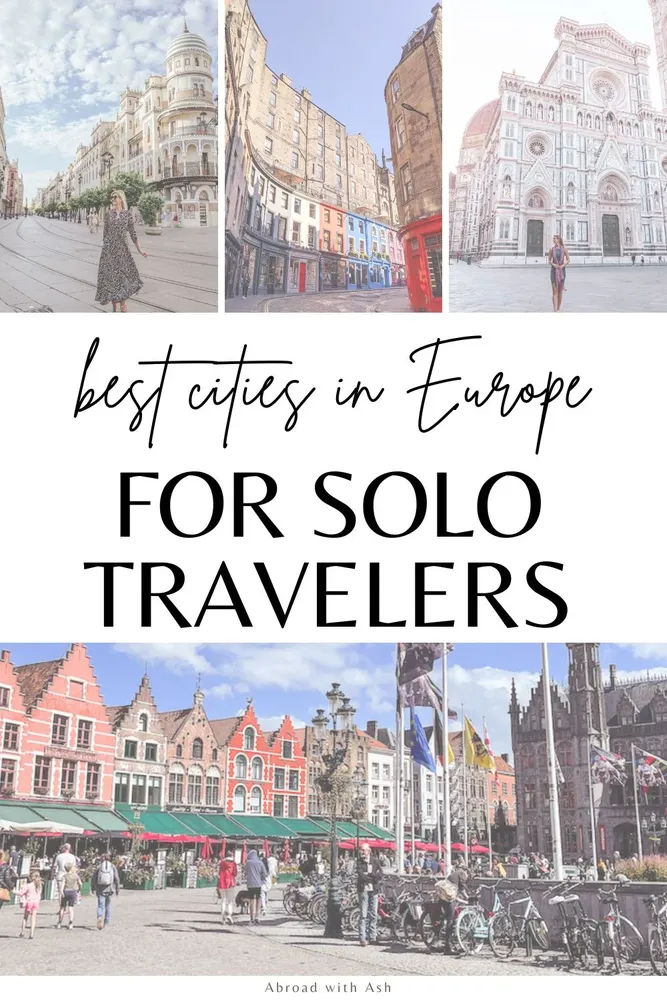
Stepping out on your own across Europe is an unmatched rite of passage. It gives you total control over your schedule, helps you grow as a person, and introduces you to diverse historical landscapes. Yet, figuring out the logistics of mapping multiple countries, managing currencies, and booking trains on your own can feel overwhelming. This complete guide shows you exactly how to travel solo through Europe with confidence, covering everything from financial planning to staying safe on the ground.
1. Strategic Planning & Route Building
When learning how to travel solo through Europe, the biggest trap is attempting to see too much too fast. Constantly packing up and spending 6 hours on a train every single day leads to fast burnout. Instead, group your destinations into logical regional geographic clusters.
If you prefer warm coastal towns and rich history, you can read our guide on how to discover the best beaches in the Mediterranean to plan a balanced southern route. Alternatively, focus on well-connected central loops like Paris, Amsterdam, Berlin, and Prague to cut down your overall travel times.
- The Classic Loop: London – Paris – Amsterdam – Berlin – Prague.
- The Mediterranean Run: Barcelona – Nice – Florence – Rome – Split.
- The Budget Route: Budapest – Kraków – Bratislava – Bucharest.
2. Financial Benchmarks & Smart Budgeting
Your daily expenses will vary greatly depending on which part of the European continent you visit. Western and Nordic regions demand a significantly higher budget compared to the affordable, hidden gems of Eastern Europe. If you have strict financial limits, learning how to travel to top 10 budget-friendly destinations will save you money without compromising on experiences.
| Region | Daily Estimate | Key Expense Factors |
|---|---|---|
| Western Europe | €90 – €150 | High dining costs, premium high-speed rail |
| Eastern Europe | €50 – €80 | Inexpensive local meals, affordable hostels |
| Nordic Countries | €140 – €220 | Strict transit pricing, high alcohol taxes |
3. Finding Solo-Friendly Accommodations
Hostels are the best base for solo travelers, but they aren't your only choice. If you prefer to skip social dorm rooms, look for boutique guesthouses, capsule properties, or traditional stays. Always look for social lounges, free walking tours, and kitchens where you can connect with other travelers.
If your budget allows for occasional upgrades, or if you plan to shift your trip elsewhere later, look into how to find and book the best luxury resorts in the Caribbean to see how premium bookings handle security and solo amenities differently.
4. Mastering European Transit Options
Europe has one of the best public transportation systems in the world. For flexible travelers, buying a Eurail Pass provides unlimited rail access across 33 partner countries, making it incredibly easy to explore across borders.
For long stretches—such as going from Berlin down to Rome—regional budget airlines like Ryanair or EasyJet often cost less than a train ticket. Just keep a close eye on their strict baggage size rules to avoid surprise penalties at the gate. If you enjoy the freedom of setting your own schedule on the road, check out our guide on how to plan the ultimate road trip itinerary through California for deep insights into long-distance trip planning and vehicle rentals.
5. Safety and Cultural Protocols
Safety is a common worry when exploring Europe alone. While violent crime rates remain very low across major European cities, petty crimes like pickpocketing are common around busy tourist hubs, especially in transit stations.
- Secure your gear: Use an anti-theft cross-body bag and never keep your phone in your back pocket.
- Keep digital backups: Store scans of your passport, medical insurance, and visas on a secure cloud drive.
- Blend in naturally: Avoid wearing distinct tourist lanyards or handling large amounts of cash out in public.
6. Frequently Asked Questions
What is the best time of year to visit Europe solo?
The shoulder seasons (April to May and September to October) are ideal. You get pleasant weather, shorter lines, and significantly lower accommodation prices than the peak summer months.
How do I handle money and currency exchanges?
Most European cities are primarily cashless. Carry a fee-free international debit card for daily payments, and keep a small reserve of local cash (€20 to €50) for small street vendors.
Do I need to speak the local languages?
No. English is widely spoken across Europe, especially in the travel and hospitality sectors. Learning basic greetings and using translation apps will easily get you through any minor language barriers.
Conclusion: Take the First Step
Learning how to travel solo through Europe comes down to smart preparation balanced with everyday awareness. By planning a realistic route, keeping a firm handle on your daily expenses, and staying open to meeting new people, you will create an unforgettable experience. Trust the process, pack light, and step into your adventure.