





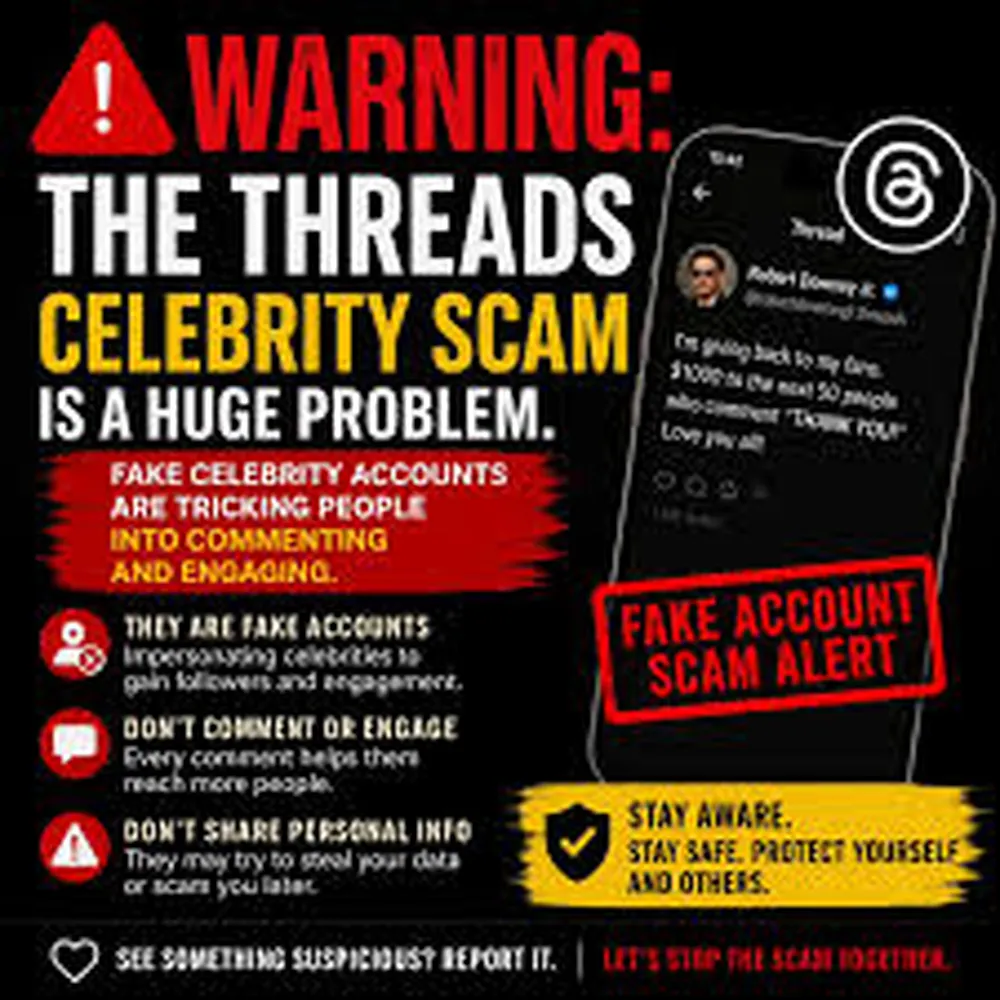
Interacting with high-profile figures online has never been easier, yet the rise of sophisticated profile clones makes security a top concern. Learning how to spot fake celebrity accounts on social media protects your digital identity and your personal finances. Cybercriminals continuously build advanced duplicate spaces designed to trick casual followers. By analyzing handle design configurations, data histories, and messaging patterns, you can instantly distinguish actual verified figures from malicious digital imposters.
The Real Danger of Fake Accounts
Imposter profiles are far more dangerous than simple digital parody designs. Bad actors often use these systems to launch credential tracking campaigns, organize advance-fee sweepstakes scams, or promote volatile cryptocurrency schemes. For example, individuals learning how to vote for your favorite reality tv contestant frequently land on counterfeit public pages that steal phone numbers via unauthorized online voting panels.
Security data suggests that lookalike accounts increase significantly during high-profile tours or product releases. These spaces often run deceptive advertising campaigns offering items that do not exist, tricking users into revealing banking records.
1. Analyzing Username Structure and Typos
The fastest way to isolate an imposter strategy is by examining the exact construction of their profile handle string. Scammers use character alteration tricks to trick your visual processing. They frequently include extra underscores, double letters, or swap numbers for letters (like replacing the character 'o' with a zero '0').
- Lookalike Character Changes: Changing an official handle name from @CelebrityArtist to @CelebrityyArtist or @Celebrity_Artist.
- Hidden Text Additions: Appending tag words such as "_official", "support_team", or "fanpage_updates" directly inside the primary username text block.
- Character Swap Strategies: Swapping a lower-case letter 'l' for an upper-case letter 'I' to generate an identical visual match on standard mobile viewing windows.
2. Deconstructing Verification Badge Policies
The existence of a blue check icon no longer guarantees absolute authenticity. Following structural policy transformations across major communication networks, premium badges can now be acquired through regular month-to-month subscription packages. This means bad actors can easily purchase a check icon for an account built using a celebrity's real name.
To verify the true status of a profile, always tap or click directly on the badge emblem. A system info block will appear, detailing whether the flag represents an authenticated identity milestone or a paid subscription. Authentic institutional figures usually display unique, platform-specific badges to confirm their status.
3. Reviewing Follower Counts and Activity Metrics
A true A-list celebrity typically retains a follower base numbering in the millions. If you encounter an account representing a worldwide star that only displays a few thousand followers, you are dealing with a fake profile. You should also closely monitor the ratio between their total follower count and overall post interactions.
Fake profiles often rely on automated networks to inflate their follower counts. However, these systems rarely produce natural engagement on posts. If an account shows 500,000 followers but receives fewer than ten likes per image, the metrics point to a bot network. Be sure to look at the comment section as well; if it contains nothing but repetitive spam or is locked entirely, avoid the page. This step is just as critical as finding safe sources when looking how to find stand up comedy shows near me.
4. Identifying Private Direct Message Scams
A major celebrity will almost never reach out via direct message to open a personal conversation with a fan. If a profile lands in your inbox claiming that you have won a surprise competition or been selected for a private fan circle, treat it as a threat. These chats are usually designed to redirect you toward insecure third-party web portals.
These messaging setups mirror patterns used by fake ticket sales networks. For example, people searching for ways how to get free VIP passes for music festivals often receive deceptive chat requests from copycat executive profiles. These accounts demand small processing fees to secure the fake passes, stealing money from victims.
Quick Platform Check Guide
The table below breaks down the technical metrics and account signs to look for when evaluating potential celebrity profiles across popular social media networks:
| Platform Indicator | Authentic Profile Sign | Imposter Warning Red Flag |
|---|---|---|
| Verification Text | Confirms notable public status | Shows recent premium subscription |
| Creation Timeline | Years of older archival posts | Created within the past few weeks |
| External URL Link | Links to official media agencies | Points to anonymous link shorteners |
| Tag Behavior | Tagged by other valid creators | No verifiable network connections |
If you suspect an account is fraudulent, navigate directly to the security options tab to report it. You can find up-to-date documentation on reporting procedures via the Federal Trade Commission Official Site, which regularly publishes guidelines on consumer impersonation threats. Reporting these profiles quickly helps keep digital communities safe for everyone.
Frequently Asked Questions
Why do scammers use fake celebrity accounts?
Scammers leverage the established authority of a public figure to build immediate trust. This makes it easier to trick followers into investment scams, phishing setups, or buying counterfeit event access packages.
Can a fake celebrity profile have a blue checkmark?
Yes. Because platforms now allow users to buy verification badges through subscription models, anyone can get a checkmark. Always tap the badge icon to check the profile's registration history and verification type.
What should I do if a celebrity profile sends me a direct message?
Do not click any embedded links, download files, or share your personal details. Genuine public figures rarely initiate direct messages with fans. Flag and report the account for impersonation immediately.
Conclusion: Protecting Your Social Feeds
Protecting yourself from online impersonation requires consistent awareness and careful inspection. Always verify profile links, double-check odd username handles, and ignore suspicious direct messages offering exclusive prizes or deals. If you are also interested in entertainment logistics, such as learning how to write a movie script for beginners or figuring out how to get into a VIP club without waiting in line, keeping your digital identity secure ensures you can explore these spaces safely.