





Entering the world of cinematic writing requires a balanced mix of vivid structural imagination and disciplined technical execution. When looking at how to write a movie script for beginners, the first hurdle isn't coming up with an original premise; it's understanding the unique pacing and industry-standard layout methods that studio executives expect. Unlike traditional novels, screenplays function as functional blueprint maps for an entire production crew, where every line dictates pacing, lighting styles, character positions, and audio designs.
Core Mechanics of Screenplay Formats
Industry systems demand specific formatting conventions to protect structural balance. Studio professionals use a reliable baseline calculation: one page of properly formatted script matches roughly 60 seconds of finished screen time. Adhering to these strict visual frameworks ensures your structural layout remains readable and professional.
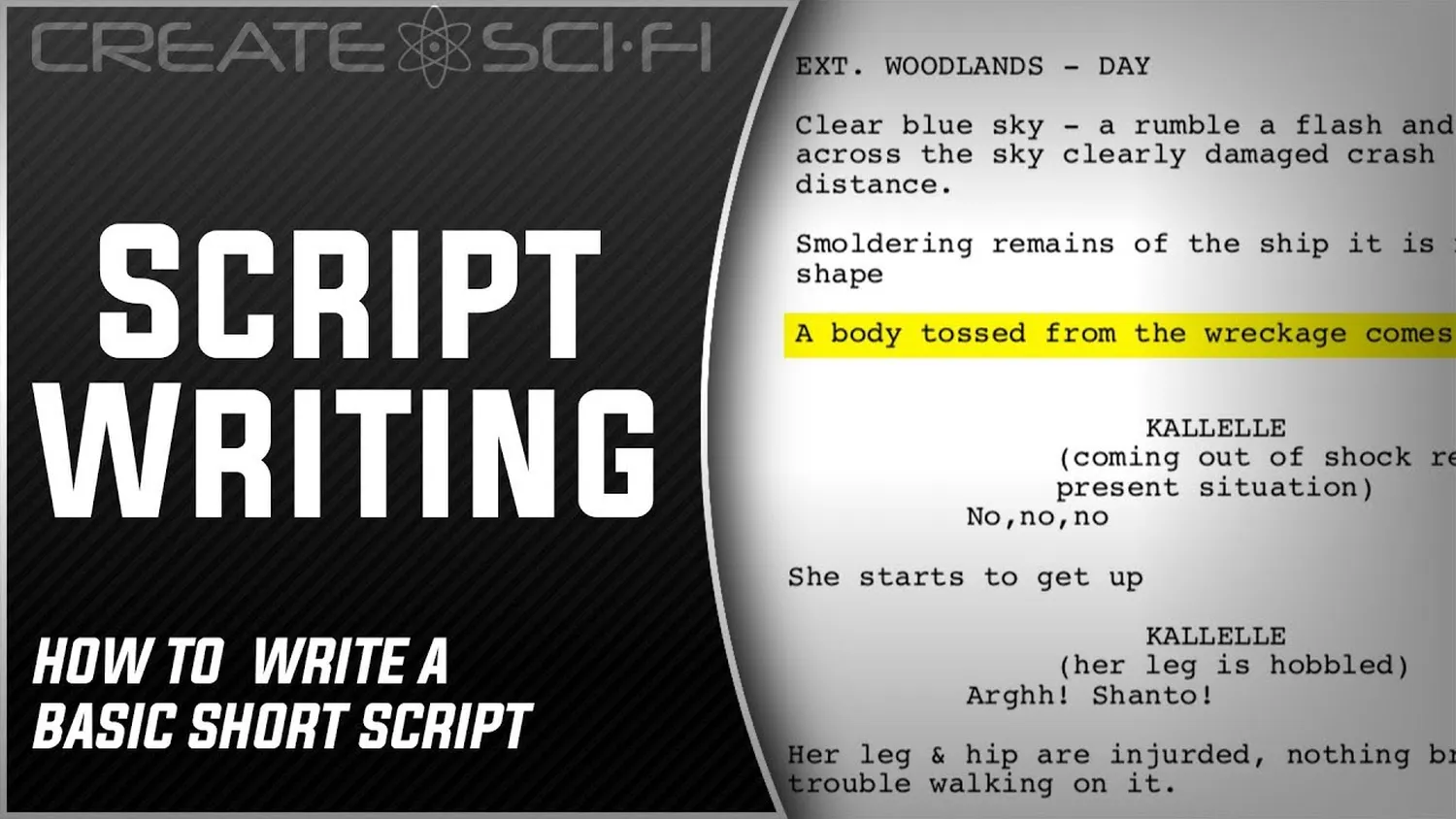
- The Scene Heading (Slugline): Appears in all capital letters aligned to the left margin. It states the setting context by identifying the location layer (INT. for interiors or EXT. for exteriors), the exact location name, and the timeline phase (DAY or NIGHT).
- Action Lines: Standard prose written in the present tense that describes physical movements, environment details, or objects within the camera's view. Keep these descriptions lean, crisp, and focused purely on what the audience can see and hear.
- Character Elements & Dialogue Blocks: Character names are centered in uppercase letters before their dialogue text block. If you are learning alternative arts, like tracking live entertainment layouts via a live comedy finder, you will notice how formatting spacing completely dictates performance rhythm.
The Classical Three-Act Narrative Arc
A successful speculative script balances its creative ideas across an underlying narrative structure. This foundational skeleton controls the pacing of your film, keeping audiences engaged throughout the journey. To ensure your story arc tracks correctly, explore the classic blueprint architecture provided by the Academy Nicholl Screenwriting Foundation, which details how modern scripts balance structural progressions.
The first act introduces your characters, details their ordinary world, and presents an inciting incident that disrupts their status quo. The second act covers the main confrontation, building tension as your protagonist faces mounting obstacles and internal struggles. Finally, the third act delivers a decisive climax and resolution, resolving the main conflict while leaving a lasting impression. Mastering these narrative dynamics helps you guide audience emotions seamlessly, much like the rhythmic build-up found in musical structures when you secure festival pass strategies.
Screenwriting Application Comparison
Don't waste time adjusting margins manually in basic word processing programs. Dedicated screenwriting applications handle formatting rules automatically, letting you focus entirely on your creative choices. Review this practical layout table to choose the best tool for your current budget:
| Software Choice | Pricing Model | Target User | Standout Advantage |
|---|---|---|---|
| Final Draft | Premium License | Studio Professionals | Industry Standard Baseline |
| Celtx | Subscription Tier | Indie Collaborators | Integrated Production Tracking |
| WriterDuet | Freemium Model | Beginner Writers | Real-Time Shared Editing |
Step-by-Step Writing Workflows
To turn a rough concept into a clean, finished draft, you need a disciplined creative workflow. Breaking the process down into distinct stages prevents overwhelming mental blocks. Use this proven structural approach to keep your project moving forward smoothly:
- Formulate a Strong Logline: Condense your entire movie plot into a single, punchy sentence. State your main protagonist, the primary inciting conflict, and the high stakes involved if they fail.
- Build an Outline: Create an overarching roadmap for your scenes before diving into dialogue. Pinpoint major plot points, emotional shifts, and structural twists across your timeline.
- Draft the Core Script: Write your first draft without stopping to self-edit. Focus on capturing raw character voices and building narrative momentum page by page.
- Refine Dialogue and Pacing: Polish your action descriptions and dialogue blocks. Read your conversations aloud to ensure they flow naturally and sound authentic.
Pitfalls and Structural Mistakes to Avoid
Beginners often over-complicate their pages by adding unnecessary technical details. Avoid the temptation to include explicit camera movements, lens choices, or transition directions like "CUT TO" unless they are absolutely essential to the plot. These technical decisions belong to the director and cinematographer; your job is to tell a compelling story through action and dialogue.
Additionally, watch out for heavy exposition dumps inside dialogue blocks. Characters shouldn't state obvious background facts just to update the audience. Instead, reveal details subtly through behavior, physical reactions, and subtext. Crafting deep, realistic character interactions requires the same social awareness used to read public personas, whether you are managing live entertainment setups or learning how to spot fake celebrity accounts on social media.
Frequently Asked Questions
How do you show a character's internal thoughts inside a movie script layout?
Films are a visual medium, so avoid using internal monologues or novel-style descriptions. Instead, show thoughts through specific physical actions, expressions, or interactions with the environment. If an internal voice is mandatory, format it using a Voice-Over (V.O.) audio flag next to the character's name element.
What is the difference between a spec script and a shooting script?
A speculative script (spec script) is written on a gamble without upfront funding, focusing entirely on emotional storytelling without scene numbers or technical camera cues. A shooting script is a production draft created after a film is greenlit, adding scene numbers, location codes, and production directions for the crew.
How long does it take for a beginner to write a clean 90-page first draft?
Timeline scales vary based on personal discipline, but a standard benchmark is 8 to 12 weeks of consistent writing. Allocating time to finish two to three pages a day helps you reach a completed feature draft without creative burnout.
Conclusion: Write and Revise Consistently
Finishing a high-quality screenplay requires persistent daily effort and a willingness to revise your work. By sticking to proper industry formats, focusing on visual action, and outlining your three-act structure before writing, you set yourself up for creative success. Trust the writing process, utilize dedicated software tools to manage your margins automatically, and dive into your script to bring your cinematic vision to life on the page.